





We may earn revenue from the products available on this page and participate in affiliate programs. Learn more ›
When it comes to silencer vs suppressor, it’s not a question of which is which because they’re the same thing. It’s a question of what do you call it. Some people say “silencer” and some say “suppressor,” and to some listeners, there’s definitely a difference.
It’s only in the last two decades, though, that folks have bothered to use either word much, because for the vast majority of the device’s history, it’s been unavailable to the general public. But that’s all changed. Since the turn of the last century, the single firearm accessory that’s seen the greatest boost in popularity is the silencer/suppressor—driven in no small part by the introduction of the 300 Blackout cartridge in 2010. But why is it called two different things, and which one is right? Here are the answers, plus everything else you need to know about silencer vs suppressor.
Silencer vs Suppressor: Which Word Is Right?
If you’re worried about calling a silencer/suppressor by the wrong name, don’t. Neither word is wrong, and you can make a good argument that either is right. If you’re more inclined to call something by the word that best describes what it actually does, then “suppressor” is your word. If you’re swayed by history and precedent, then you may want to go with “silencer.” But that explanation requires a short history lesson.
The History of Silencers, Suppressors, and Mufflers
In 1884 American inventor Hiram S. Maxim invented the first automatic machine gun. In 1902, his son Hiram P. Maxim invented the first silencing device for firearms. Patent number US958935A was issued for Maxim’s invention—the “silent firearm”—in 1910, and Maxim trademarked it as “Maxim Silencer.” Today, Maxim is mostly forgotten, but “silencer” stuck, and his device and similar devices have been referred to as silencers ever since. Interestingly, on the same date Maxim’s patent was published, so too was patent US959400A, which was issued to James Henry Stinson for a gun muffler. “Gun muffler” was apparently not a cool enough name, however, to hang around. Speaking of mufflers, Maxim also designed what we know today as the muffler for internal combustion engines. Ironically, in some other countries, a car muffler is called a silencer.
The Case for “Silencer”
So, you could argue that the legal name of a device that you screw on to the end of a gun barrel that reduces the acoustic intensity of the gun shot, is “silencer.” That’s what it was first called, what the patent office first called it (more or less), and because that it’s the word most commonly used to describe these devices in federal and state regulations and by the ATF.
The Case for “Suppressor”
The term “suppressor” or “suppression” does not appear in U.S. patents until 1911, but technically speaking, “suppressor” is a more accurate term than “silencer,” because the device in question does not silence the report of a firearm, it suppresses it. The best modern silencers/suppressors only reduce the decibel level of a gun shot by about 20 to 40 decibels. In most cases they drop the acoustic intensity below 140 decibels, which is considered hearing safe. Some people believe that if everyone called “silencers,” “suppressors,” it might ultimately assist with the device’s deregulation, because the notion that a silencer silences a firearm would disappear.
In the end, when it comes to “silencer” vs “suppressor,’ you’re correct to use either term, and as evidence, consider that the largest silencer dealer in America sells silencers they call “suppressors,” and the company is named “Silencer Central.”
Regulations on Owning a Silencer/Suppressor
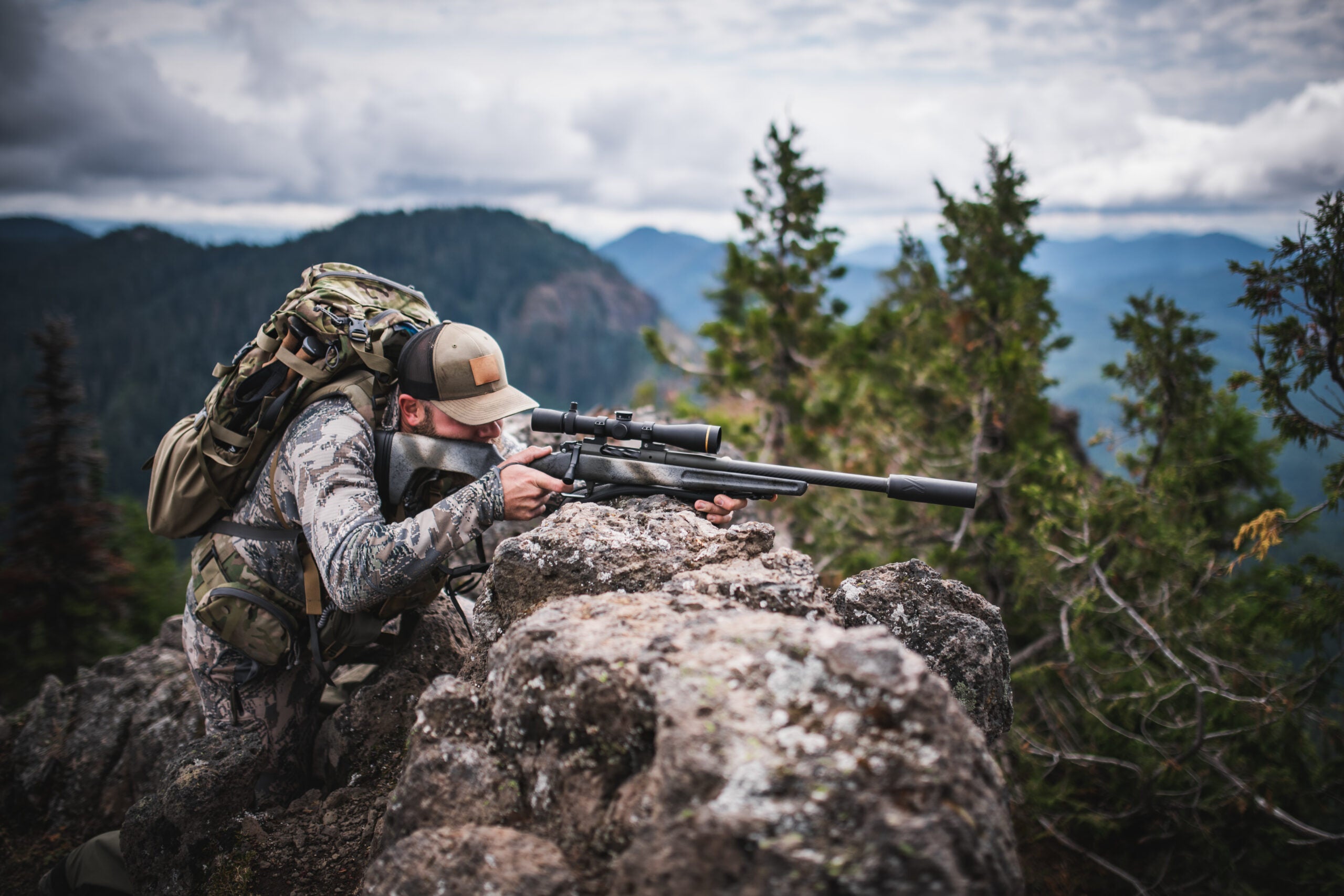
Silencers go by other names too. Because they sort of look like a beer can, many folks simply call them “cans.” Out of unknowing respect to James Stinson, some folks call them “gun mufflers,” which, given the performance of an automobile muffler, might be the best name for a firearm silencer anyway.
Regardless of what you want to call them, silencers are legal to own in 42 states, but they’re a NFA (National Firearms Act) item. This means you must be 18 to 21 years old—depending on the circumstance—to purchase a silencer, you must be a U.S. resident who can legally own a firearm, you must pass a background check, and you must also pay a $200 tax to the federal government. For more information on owning a suppressor, click here.
What’s more important than what you call them, however, are the benefits these devices offer. They make gunfire hearing safe. They reduce recoil and generally contribute to better accuracy. They reduce noise pollution at gun ranges or anywhere you shoot. And because they preclude the necessity for hearing protection and allow full use of your hearing, before and after the shot, they’re an excellent tool for hunters. The gun accessory once only considered suitable for secret agents has now gone mainstream. So, whatever you call them, the real question is, when are you going to stop making so much damned noise when you shoot?
Read the full article here