

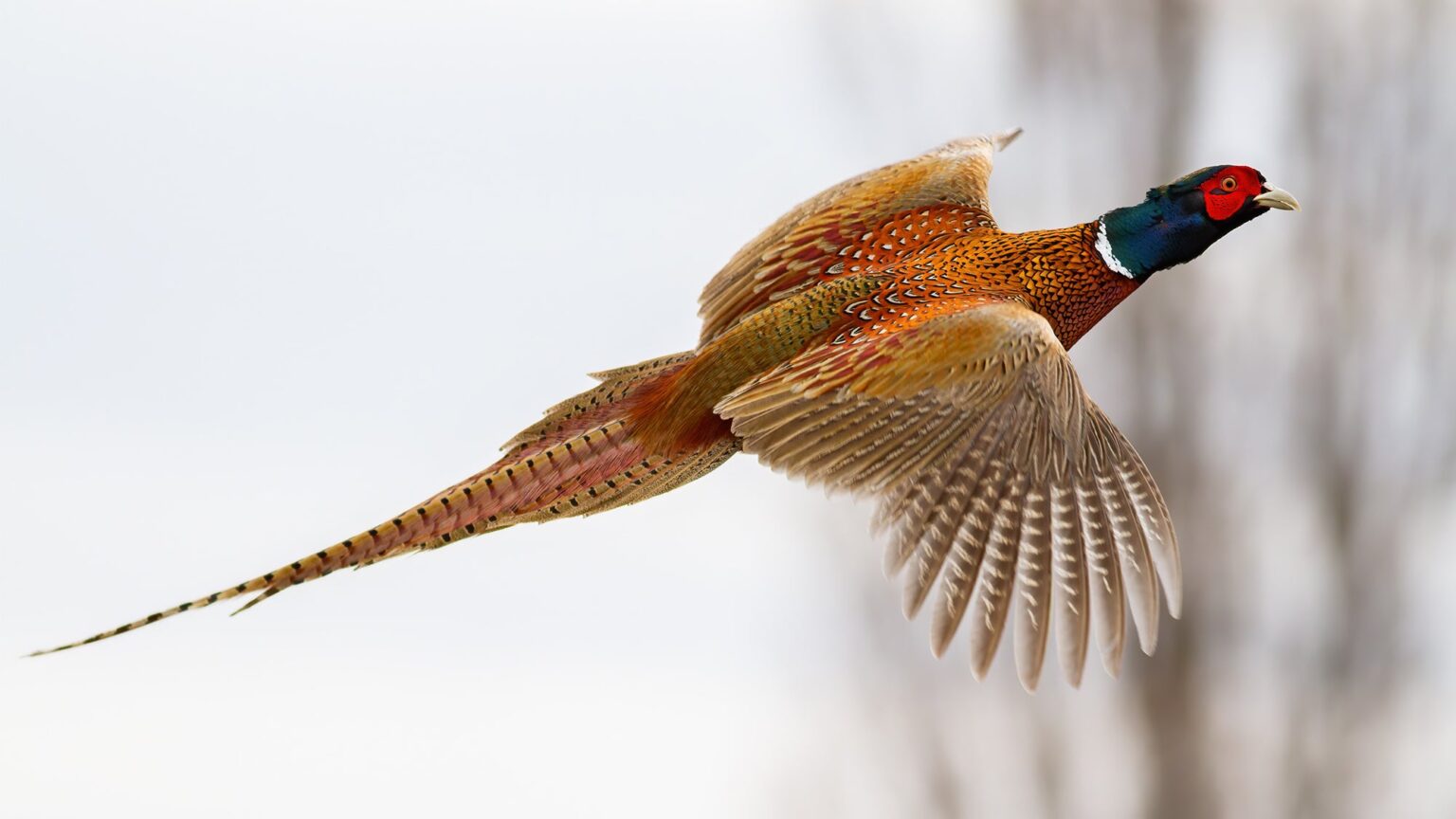

A pheasant hunting rule of mine is to always go on the last day—and I’ve lost track of how many last-day limits I’ve shot. The bitter end of the season can make for some of the most fulfilling hunts of the year. You have to bundle up and endure the elements, but it’s well worth it, so long as you keep a few things in mind.
As pheasant season wears on, birds learn to avoid hunters. They’ll run, flush wild, and hang out in sparse cover where they’re hard to approach. As long as the weather remains mild, all pheasants have to worry about is staying out of our way. But falling temperatures late in the year reorder a ringneck’s priorities. Now, the cold becomes a bigger threat than hunters. Late-season pheasants will seek out heavy cover to stay warm. They also have to feed regularly, especially on high-energy grains such as corn. Yes, these birds are still wary, and they’re as tough as ever, but they’re more predictable. Here are ten ways to hunt late-season ringnecks successfully. Granted, some of these tips apply all season long, but they go double for late-season birds.
1) Keep It Small
Big groups make noise. Noise frightens pheasants. Pare your party down to two or three hunters, and you’ll be stealthier. You can pivot quickly and change direction on the fly without confusion. I often hunt by myself, or with one friend. He follows his dog, and I follow mine. We’ll coordinate movements so we reach spots like field corners, where birds are likely to sit, at the same time. Keep in mind that if there are only a couple of you, it only takes putting a few late-season survivors in the bag for a memorable day. —P.B.
2) Play the Wind
It always surprises me how many dog owners don’t take wind direction into account. A dog running with the wind to its back can’t pick up scent well and will bump far more birds than a dog working into the wind. After pheasants have been chased around for a couple of months, they won’t put up with much provocation, and they’ll flush wild if dogs don’t handle them carefully. Use the wind to your advantage and plan your hunt so the wind is in the dogs’ faces when you reach the likeliest cover.
3) Block the Back Door
Pressured pheasants know where the exits are. And, since they often flock up late in the season, you’ll see bunches of birds streaming out the back door when you come in the front. Instead, have a blocker slip around to the far end. The blocker may get some shooting, but more often, their mere presence will improve the hunting for those pushing toward them. If you’ve hunted the field before, you’ll know where the exits are. If not, block field corners. If there are food plots or standing crops, make sure to send a blocker around to the end of the strip.
4) Hunt the Woods
Hawks are often perched in trees, so pheasants tend to avoid wooded areas. But when snow flattens grassy cover, pheasants need to find shelter. Poke around small woodlots and timbered draws and creeks, especially if they have contained blowdowns or brush piles. Someone once told me that the woods are where roosters sit, and I don’t know why, but it does seem like when I flush a pheasant in a brushy woodlot, it has a white ring around its neck more often than not.
5) Brave the Wetlands
Cold weather drives pheasants into heavy cover. Thick native grasses and wetlands often hold birds late, and when the marshes freeze up, you can go in after the birds they hold. The first limit of pheasants I ever shot was in a snowy, iced-over marsh that was full of birds taking shelter from the wind. Hunt the heavy cover thoroughly. Birds can tunnel under snowy cattails, and it can take time for the dogs to root them out.
6) Understand How Snow Affects Pheasant Hunting
One of the best days to hunt all season is after the first snow of the year. Ninety percent of wild pheasants are birds of the year that have never seen snow before, and even older birds react the same way: They’ll burrow into the snow and sit tight. Give your dogs time to work the scents, and you’ll be rewarded with close, thrilling flushes. You can see tracks in the snow, too, which is always fun.
Once crust forms on top of the snow, the birds get up on top and run around on it. They know you can see them and become difficult to get close to, especially when they’re grouped up. All you can do is flush the flock, watch them as they scatter, and go after any birds that fly into thick cover where they might sit tight.
Ice-covered snow becomes grueling to walk through, which would be fine if it was worth the effort, but it rarely is. Last year, an ice storm ruined the end of my season and caused me to break my “always go on the last day” rule for the first time in years. Birds were up on top of the ice and would flush a couple of hundred yards ahead. The only pheasant I shot towards the end of the season was a rooster perched in a tall tree.
7) Take Good Shots
The rooster you’re hunting late in the year is different than when the season opened. He’s bigger, fatter, more fully feathered, and even harder to kill. Limit yourself to good shots, which means letting wild flushers go if they are flying straight away. Pheasants don’t present a lot of vital areas to hit when you shoot them from behind. It’s easy to do nothing more than break a wing on a long straightaway pheasant, which can mean a lost bird even with good dogs. Quartering or crossing birds are different. As long as you can see the pheasant’s head, you can shoot at it with a good chance of killing it dead in the air.
8) Bring Enough Firepower
Late-season pheasants are tough, and often—but not always—flush farther away. I have the luxury of living in pheasant country and hunting whenever I want to, so I can be choosy about my shots and keep everything within range of my open-choked 20 gauge O/U all year. Your situation may be different, and if so, a 12 gauge Modified, or M/IM in a break action, makes more sense. Use bigger shot, too, like 4s, which hit harder and often patterns tighter than smaller shot. Winchester Super Pheasant 1 3/8 ounce loads of 4 shot at 1300 fps are my idea of a killer late-season lead load. If you have been saving up some bismuth or HeviShot, now is the time to shoot it instead of steel, although steel 2s make a pretty good late-season load as well.
Read Next: Best Upland Shotguns Ever Made
9) Follow Up On Wild Flushes
When birds flush wild, watch them go, and if you can, see where they land. Often, after a flush or two, they will sit. I believe this is because they get tired. Pheasants have stubby wings and have to work hard to get their bodies off the ground. If you mark a bird down, you stand a good chance of finding it on that exact spot. If you can’t get a good mark, swing around downwind to help dogs scent the bird. If I know where birds usually sit, I’ll sometimes go there first, bust the flock, then try to hunt them up after I’ve seen where they fly.
10) Capitalize on the Golden Hour
You can shoot pheasants any hour of the day on any day of the season if you hunt good cover near food. That said, if I had to pick one time to hunt toward the end of the season, it would be the last hour before sunset. Typically, birds will feed in the afternoons then return to warm roosting cover at the end of the day. Sometimes you can even see them flying into the cover and landing ahead of you. If you hunt where shooting hours begin half an hour before sunrise, then it’s possible to catch birds in bed on cold, nasty winter days, too.
Related: Ringneck Pheasant: “America’s” Gamebird
Read the full article here