



We may earn revenue from the products available on this page and participate in affiliate programs. Learn more ›
There are few feelings that ruin your day faster than water in your waders. You just hiked into your favorite spot, stepped out to hit that first juicy run, and get hit with that cold sting on your leg or foot. It instantly changes the vibe of the outing because you know right then and there, you’re either going to be uncomfortable and, therefore, less focused, or you’ve got to detract from fishing time to deal with the problem.
Most wader fails, however, are not catastrophic and can be temporarily (but effectively) remedied on the scene. The real trick to making a leak or other wardrobe malfunction a minimal headache is being prepared for it ahead of time. Here are three indispensable items that can save the day. Heck, you might have all of them in your house already.
1) Heavy-Duty Zip Ties
I’m of the opinion that you should always have zip ties in your vehicle for emergencies whether they’re fishing related or not. For wading specifically, however, you need to carry extra-long, heavy-duty ties. Of all the pieces of quick-fix kit on my list, this one has come in handy for me more than any other, largely because one of the most common parts of your wading ensemble to fail is your boots.
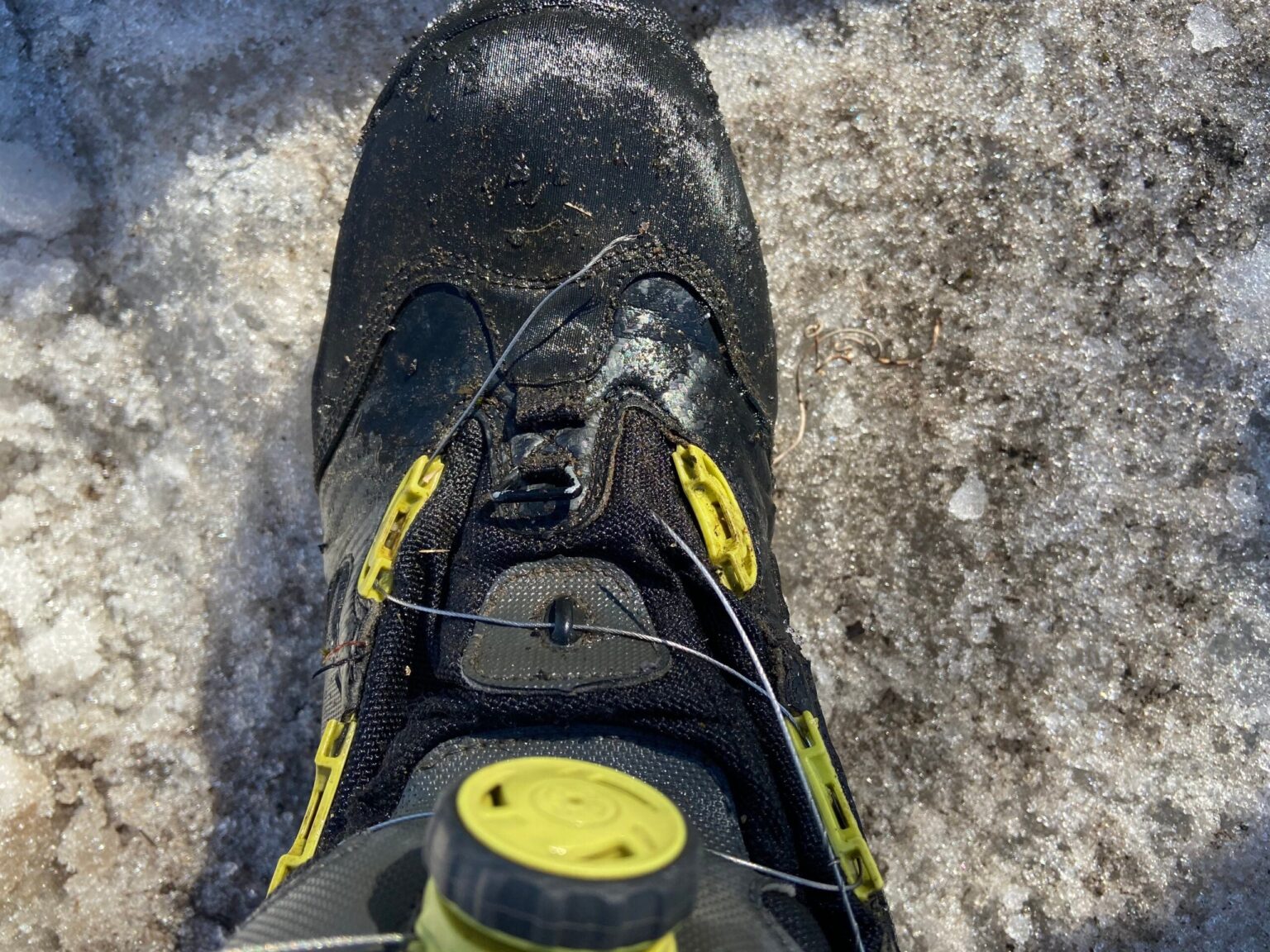
Many years ago, not long after BOA style laces hit the scene, I went all in on them. In the winter especially, turning a knob to tighten and loosen your boots instead of using your numb fingers was dreamy. But the problem with BOA lace boots is that if the thin wire used to close them breaks, or the ratcheting apparatus that controls the tension fails, there’s no easy field fix. Even if you were to carry spare laces, good luck feeding them through the tiny holes created for that thin wire. Sure enough, just as I left the truck one winter day, POP went one of my BOAs.
Because I happened to have long, strong zip ties, though, I was able to secure the broken boot tightly around my ankle, which is critical. You need proper ankle support to wade safely, and even if you’re not using BOA laces, regular laces break often. Likewise, I’ve seen too many well-worn boots lose their soles entirely during wades. In a pinch, a few strong zip ties can resecure that sole and get you through the day.
2) Flex Tape
Flex Tape isn’t cheap. In fact, I’d go as far as to say it’s obnoxiously overpriced. The bottom line, though, is this as-seen-on-TV product kicks all other quick leak repair options to the curb. Ten years ago, I’d have been telling you to carry duct tape, tubes of fast-drying goop, and so on, but not anymore.
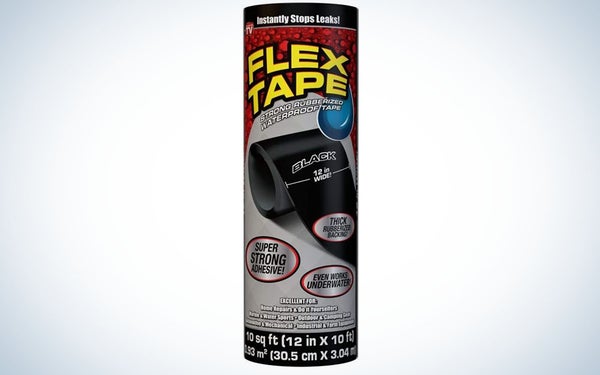
The good news is that one roll of Flex Tape in your truck will last a long time, because if you need more than a small square or two to field patch your waders, you might consider just going home (or wet wading if it’s warm out). I take precaution a step further and keep a few pre-cut squares of this stuff right in my pack, because—as many of us know all too well—rips, tears, and punctures usually happen when you’re already well away from the truck.
Several times since the advent of Flex Tape, it’s been my savior. If you spot or feel a hole in your waders, make the effort to roll them down so you can stick one square of tape on the inside, then one on the outside of the bad spot. Press both pieces firmly into place. True to the infomercial’s claim, Flex Tape even sticks when the outside of your waders is already wet.
I understand these might be banned in your state nowadays, but I also know you’ve got a stash in that one kitchen cabinet containing the juicer, salad shooter, and other cooking implements you rarely use. And if you fish in stocking-foot waders, there should be a least a couple tucked away in your truck and/or sling pack. (Check out our reviews of the best sling packs here.)
Pin hole leaks in the neoprene booties are extremely common. They often occur during that brief period when you’re standing in the parking lot in your waders but haven’t put your boots on yet. The thing is pin holes in the thicker neoprene feet are harder to field patch than rips or punctures in the thinner upper portion of the waders. Quite often, these holes are so tiny they can be tough to even locate. Furthermore, they’ll let water in so slowly because your feet are compressing the material that you won’t even know you’ve sprung a leak until you suddenly notice your toes are much colder than they should be.
I’ve found that when this happens and the hole is truly a slow-seeping pin prick, the better solution is putting a plastic bag around your foot within the wader, finishing your day, and fixing the leak at home properly with liquid sealant. Much of the time, these tiny leaks won’t let in so much water that your entire leg ends up soaked, but your sock will get more and more soggy as the day wears on. In the short term, all you’re really trying to do is create a barrier so the problem doesn’t get worse, and—assuming you’re not on a week-long wilderness camping adventure—this simple trick can get you through a day of fishing comfortably.
Continue Reading…
Read the full article here