


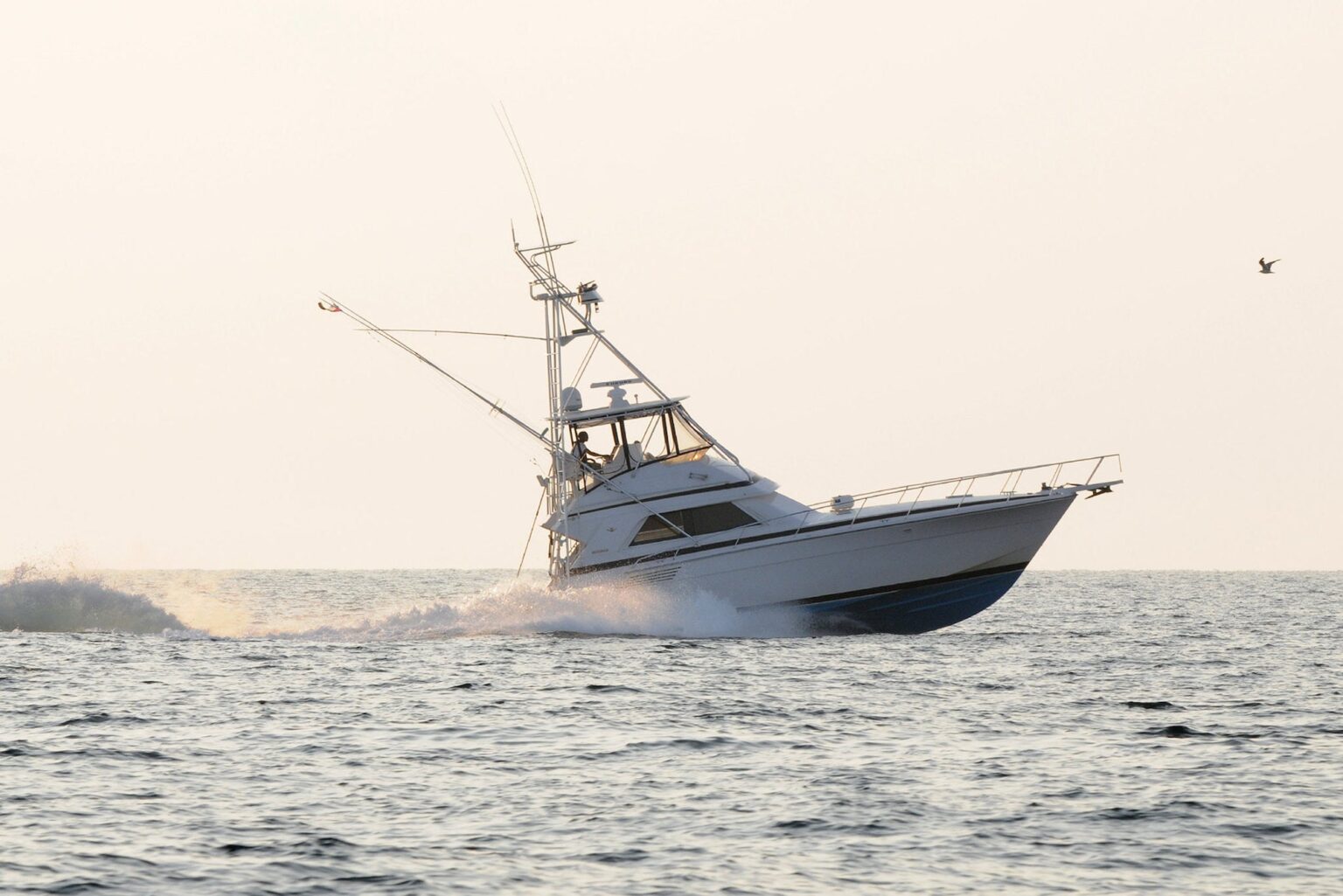

Offshore anglers, charter captains, and other members of the East Coast sport fishing industry are continuing to push back on the federal government’s proposed speed restrictions along the Atlantic Coast. The proposed speed limit would require all offshore boats longer than 35 feet operating in designated zones between Massachusetts and North Florida to restrict their speed to 10 knots (11.5 mph) or slower for several months out of the year. These designated slow zones would extend from dozens of miles to up to 90 miles offshore in certain areas.
The rule change being proposed by NOAA Fisheries is designed to further protect North Atlantic right whales, which are occasionally injured or killed in boat collisions.
“The latest preliminary estimates there are fewer than 350 [right whales] remaining, with less than 100 reproductively active females,” NOAA points out. “Vessel strikes, fishing gear entanglements, climate change and other threats all pose challenges to this imperiled species.”
But critics say the proposed speed restrictions would severely handicap the sportfishing industry while doing little to address the declines in right whale populations. In expectation of the rule’s implementation later this year, a coalition of industry groups and politicians are calling on NOAA Fisheries to pause its rule-making process and reconsider.
“While we obviously care about protecting whales,” American Sportfishing Association public affairs manager John Chambers tells Outdoor Life, “we are concerned that NOAA’s rule is misguided, does not take scientific information accurately into account, and was rushed without the input of the boating and fishing industries.”
What’s in the Proposed Rule?
NOAA’s National Marine Fisheries Service first established mandatory speed restrictions for boats along the Atlantic Coast in 2008. These restrictions were established to protect North Atlantic right whales, which are “the world’s most critically endangered large whale species,” according to the federal agency.
The 2008 rule remains in effect today. It only applies to vessels that are 65 feet or longer, and it establishes “seasonal management areas” up and down the Atlantic seaboard. These areas include known feeding zones, migration routes, and nursery grounds stretching from Massachusetts to North Florida. Each area has a specific timeframe during which larger vessels are required to slow to speeds of 10 knots or less.
Last June, NOAA Fisheries proposed to extend these restrictions to vessels between 35 and 65 feet in length, citing the “significant risk” that boats of this size pose to right whales. As part of its proposal, the agency also seeks to broaden both the spatial boundaries and the timing of the SMA’s to up to 90 miles offshore and up to six or seven months of the year.
“Vessels less than 65 feet in length account for five of the 12 documented lethal strike events in U.S. waters since the first speed rule went into effect in 2008, demonstrating the need to extend the speed restrictions to include smaller vessels,” the National Marine Fisheries Service wrote in its proposal.
The public comment period for the Proposed Rule ended last October, and Chambers expects the rule to be finalized later this year.
What Industry Groups and Other Critics Are Saying
Representatives of the sportfishing industry say the rule is too intrusive and would prevent charter captains from getting to their fishing grounds in a reasonable amount of time. Anglers targeting tuna, billfish, and other pelagic species regularly travel dozens (or even hundreds) of miles offshore during a single day’s outing, and many of them use boats that are between 35- and 65-feet long.
“Due to the large size of the speed zone created by NOAA, which extends as far as 90 miles out in some portions, boating and fishing trips won’t just take longer to occur, they simply won’t happen,” Chambers explains. “This would decimate the boating and fishing industry.”
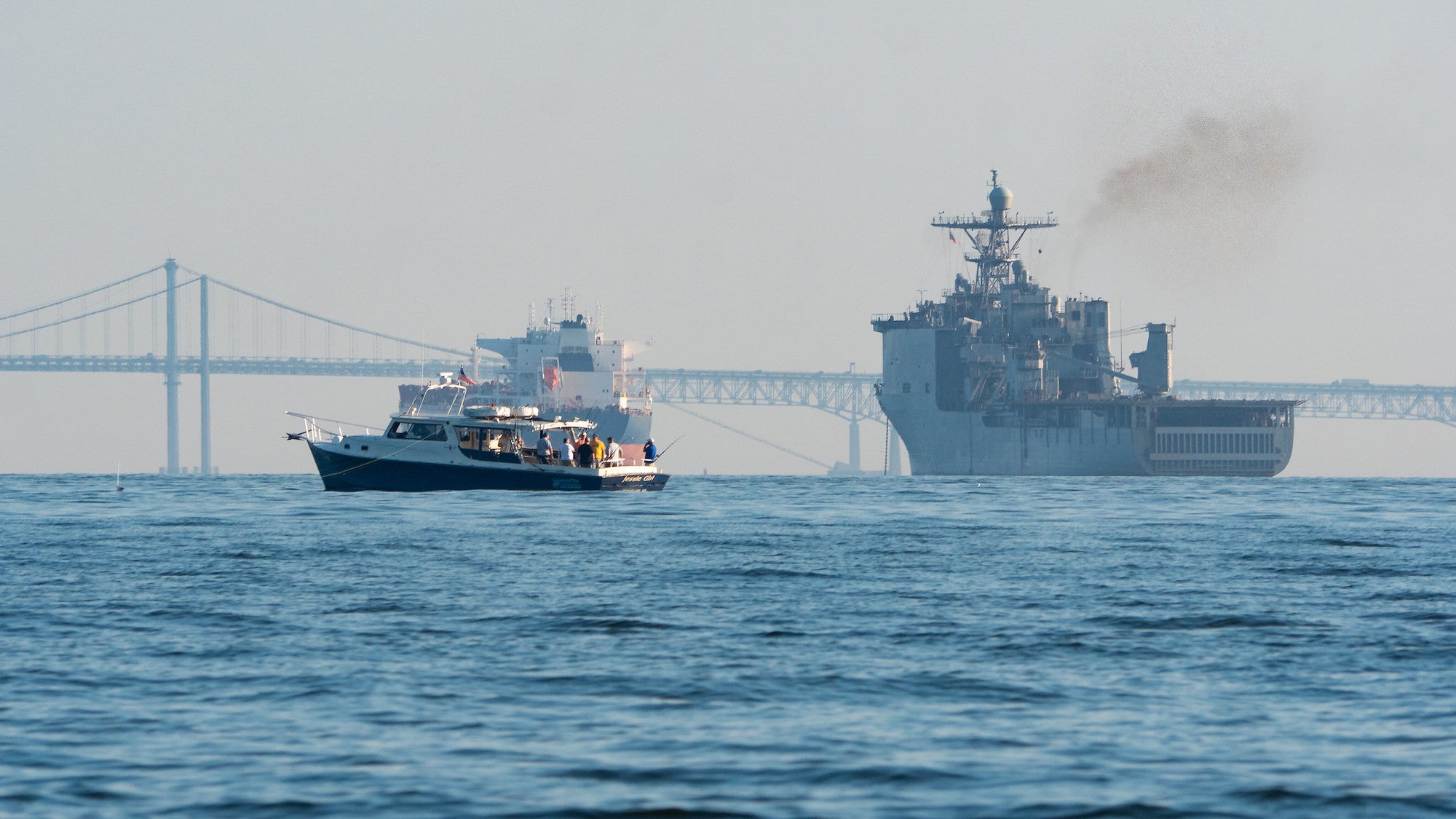
Chambers adds that while the NMFS statistic about lethal strike events is accurate, it overlooks how rarely these incidents occur. As part of its own analysis, the ASA found that since 2008, approximately 5.1 million recreational fishing trips were taken in the region by vessels that were 35- to 65-feet in length. This means that the chances of a recreational vessel striking a right whale during an offshore fishing trip is “at most .000098 percent, or less than one-in-a-million.”
Several outdoor recreation and conservation organizations have joined the ASA in speaking out against the proposed rule. A few members of Congress have recently voiced their opposition as well, including Reps. David Rouzer (R-North Carolina), Bill Posey (R-Florida), and Mike Collins (R-Georgia).
Read Next: Gulf Coast Charter Captains Appeal Court Decision That Would Allow Feds to Track Their Boats
And on May 4, the attorneys general of Georgia, South Carolina, Louisiana, Tennessee, and Alaska sent a letter to NOAA expressing their concerns. They say that in addition to disrupting the regional sportfishing industry, the speed restrictions would threaten the safety of pilot boats and other commercial vessels, which regularly adjust their speed depending on weather and traffic conditions.
“While we generally share NOAA’s concerns regarding the protection of the North Atlantic right whale, we believe there are alternative ways to protect these whales without inflicting unnecessary economic damage to our States,” the attorneys general write. “We respectfully ask that you reconsider the Proposed Rule and allow for further time to study possible alternatives to this problem.”
Read the full article here