





We may earn revenue from the products available on this page and participate in affiliate programs. Learn more ›
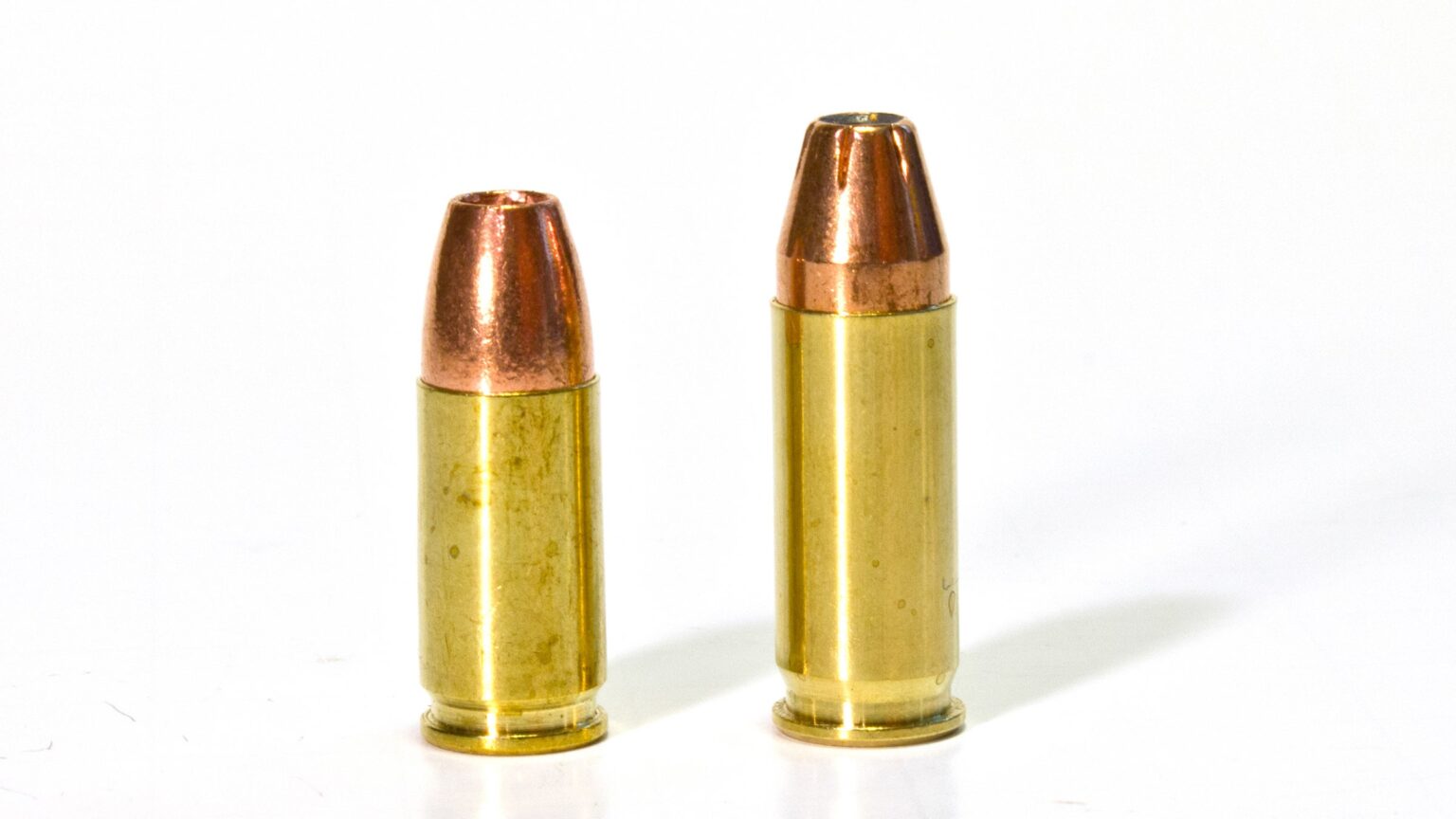
The 38 Super and the 9mm Luger cartridges use the same diameter bullet and are often fired from handguns that are nearly identical in size. Generally, 38 Super ammunition is more powerful than 9mm Luger ammunition, and this causes many to wonder why the 9mm Luger is so much more popular. Like with most any other cartridge comparison, when it comes to the 38 Super vs. 9mm the answer is a firm “it depends”—it depends on what you want to do with your pistol.
38 Super vs. 9mm: Table of Contents
- 9mm Luger
- 38 Super
- Major vs. Minor
- 9mm Luger
- Velocity
- Energy
- Recoil
- Terminal Performance
- 38 Super vs. 9mm: The Bottom Line
9mm Luger
The 9mm Luger is the most popular self-defense pistol cartridge in the world, and it’s been around since 1902. There are three—arguably four—power levels of 9mm Luger ammunition. Standard 9mm Luger ammo is loaded to a maximum average pressure of 35,000 psi, which is established by the Sporting Arms and Ammunition Manufacturers Institute (SAAMI). 9mm +P ammo is loaded to a maximum SAAMI standard of 38,500 psi. And +P+ 9mm Luger ammo is loaded hotter than that, but there’s no SAAMI standard for +P+ 9mm ammunition. There’s no SAAMI standard for 9mm NATO ammunition either, but it’s essentially 9mm +P+ ammo loaded to government bullet weight and muzzle energy specifications. It’s doubtful that firing a single round of 9mm +P, +P+, or 9mm NATO ammunition in a non +P or +P+ rated pistol will cause a catastrophic failure, but it could lead to one, so don’t do it.
38 Super
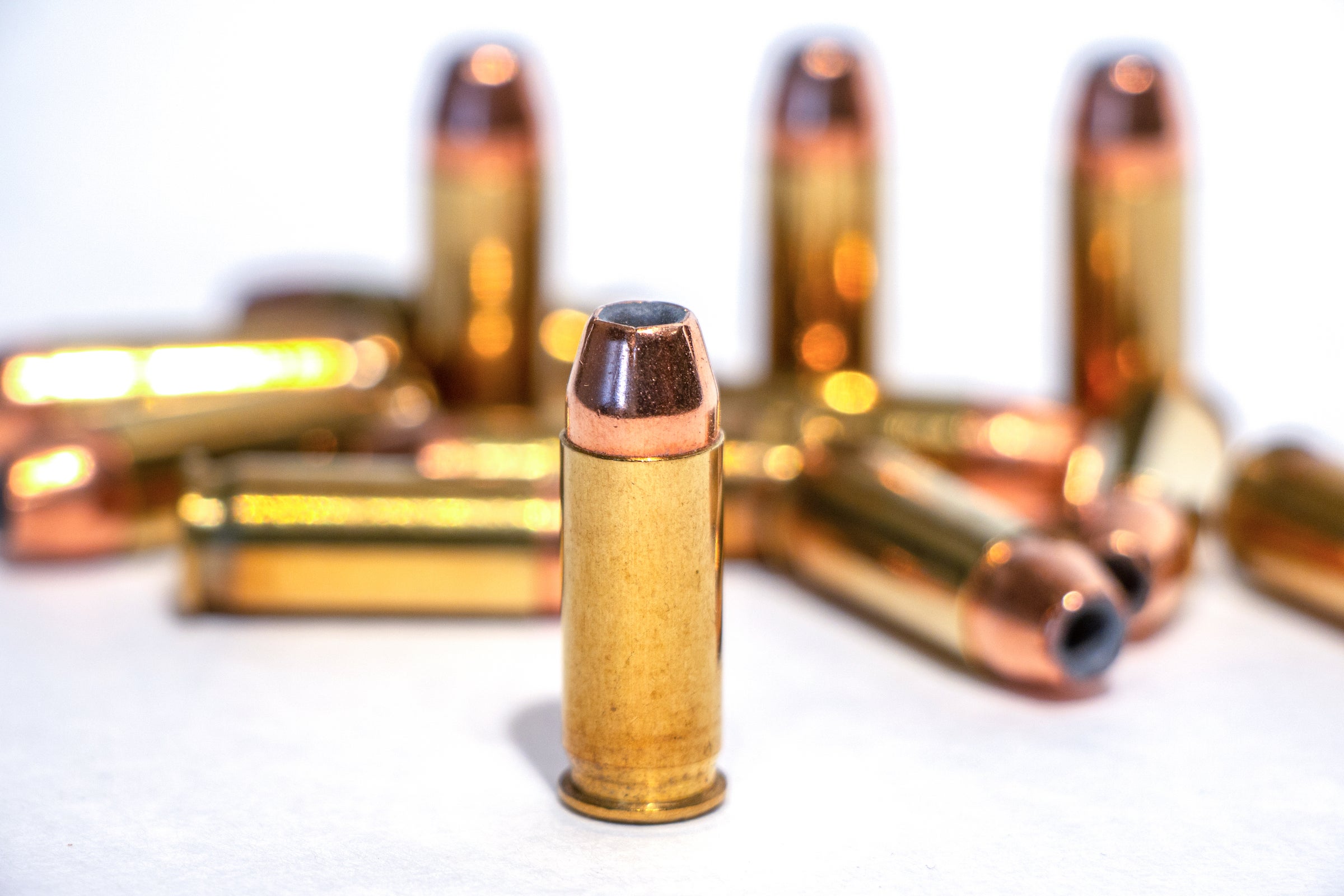
In 1900, before the 9mm Luger was invented, Colt introduced the John Browning-designed 38 Automatic Pistol—38 ACP. Initially, it fired a 130-grain bullet at about 1200 fps, but due to issues with the M1900 pistol, most factory loads were substantially less powerful. In 1929, Colt introduced a redesigned/improved version of the 38 ACP, and called it the 38 Super, which was loaded to a higher pressure: 36,500 psi as opposed to 26,500 psi. Essentially, they did nothing more than return the cartridge to its original 1900 ballistics, which were a bit too much for the M1900 pistol it was designed for. The 38 Super only saw moderate success until it became a favorite for competitors seeking a capacity advantage over the 45 Auto with a pistol that would make the major power factor. That could be done with 38 Super handloads and that power combined with its success in competition bled over to the self-defense world. Still, the 38 Super has never reached what many would consider mainstream acceptance for personal protection.
38 Super vs. 9mm: Major vs. Minor
In International Practical Shooting Confederation (IPSC) competitions, there’s what’s known as a power factor for the handguns being used. It’s calculated by multiplying a cartridge’s bullet weight by its muzzle velocity, then dividing the product by 1000. In the early days of IPSC, 175 was the lower limit for the major class. (The current major power factor for IPSC is 160 in the Open category and 170 in all others.) The major versus minor power factor was a big deal because if you were shooting with a “major” pistol, some of your hits were worth more.
Savvy shooters realized that by installing a barrel with a supported chamber in a 1911 they could reach the major power factor with hot 38 Super loads. This combined with the fact that the smaller diameter case of the 38 Super allowed for more magazine capacity than the 45 Auto made it the king of IPSC competition.
To make major, a 130-grain bullet from a 38 Super needs a muzzle velocity of 1347 feet per second. Only one handload in Hodgdon’s available online data meets this threshold. I’ve never tested a factory 38 Super load that would qualify at the 175 or 170 major rating, and only two that would meet the current open major power factor of 160. Comparatively speaking, with the hottest factory loads, the 9mm Luger will have a power factor of about 154.
Advantage: 38 Super
Velocity
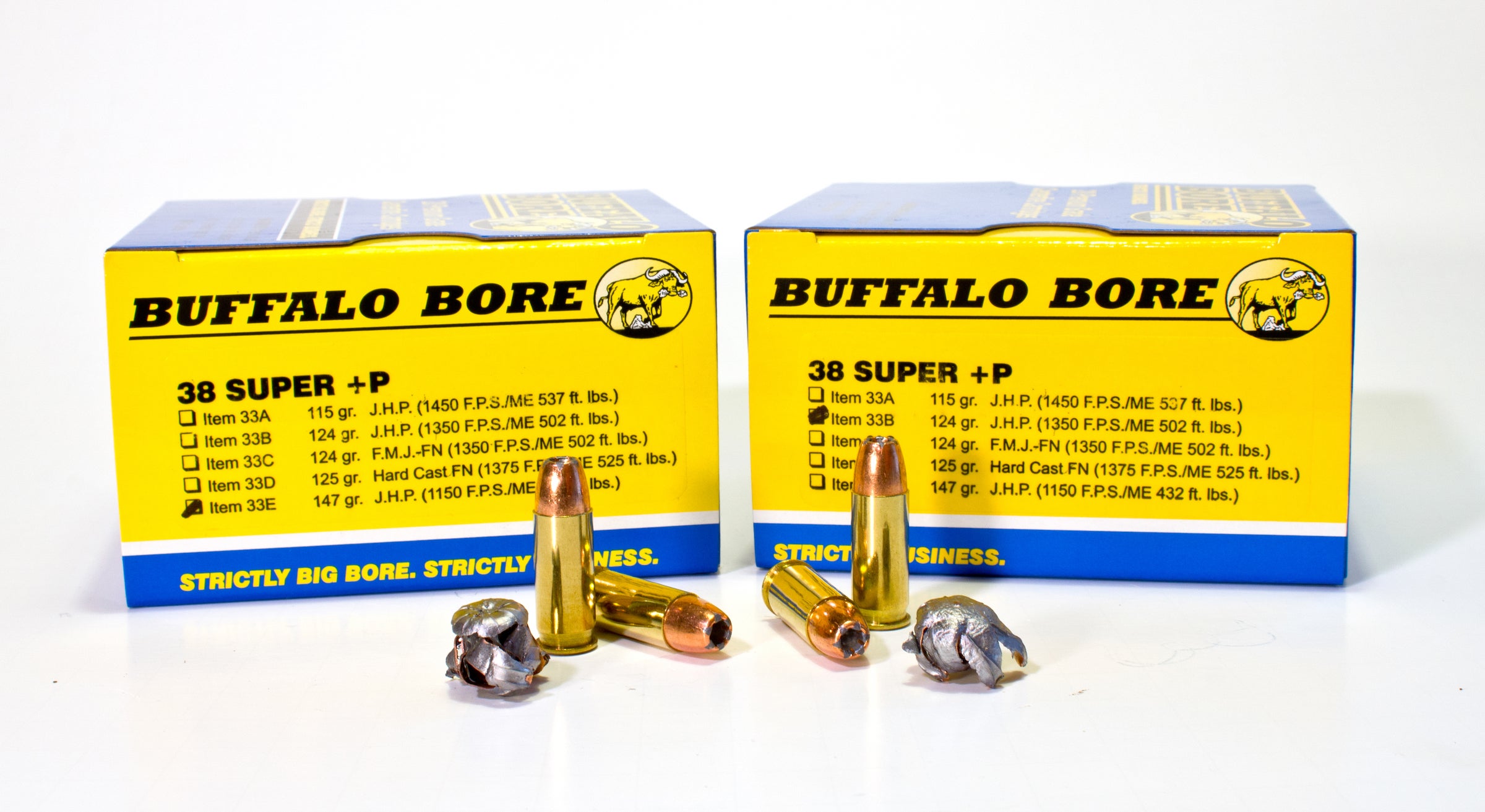
There’s no question the 38 Super can have high velocities. I’ve chronographed Underwood ammunition’s 90-grain XD load at 1581 fps. I’ve also chronographed their 105-grain 38 Super load at 1419 fps, and Buffalo Bore’s 115-grain JHP load will register 1449 fps on an accurate chronograph. The fastest 115-grain 9mm Luger load I’ve tested had a muzzle velocity of 1340 fps. Underwood Ammunition lists their 124-grain 38 Super JHP load at 1350 fps and their 124-grain +P+ 9mm Luger load at 1300 fps. That’s about a 4% advantage to the 38 Super, and overall, you can realistically expect the 38 Super to deliver velocities that are between 4% and 8% faster than the 9mm Luger.
Advantage: 38 Super
Energy
The kinetic energy produced by a bullet is calculated based on the weight of the bullet and its velocity. Since the 9mm Luger and the 38 Super are traditionally loaded with the same bullet weights, velocity is the driving force behind the comparison. But since velocity and energy do not increase proportionally, we need to look at some numbers. Let’s stick with the Underwood ammunition 124-grain bullet comparison. With a velocity of 1350 fps, the 38 Super will have a muzzle energy of 502 foot-pounds, and with the same bullet weight and a velocity of 1300 fps, the 9mm Luger will have a muzzle energy of 465 foot-pounds. That means the 38 Super’s 3.8% velocity advantage equates to a 7.9% energy advantage.
Advantage: 38 Super
Recoil
This should be obvious because given the same bullet weights the 38 Super will shoot faster and hit harder, and recoil is—much like Newton told us—an equal and opposite force. Unquestionably the 9mm Luger has less recoil, but the real question is, is it enough to matter? Let’s again compare the two 124-grain Underwood ammunition loads with a 1,350 fps velocity for the 38 Super and a 1,300 fps velocity for the 9mm Luger. In this instance, the 38 Super has about 8% more recoil.
Most will find that even with its hottest loads the 38 Super is not uncomfortable to shoot, but comfort is not the only consideration. Tests I’ve conducted with multiple shooters firing multiple shots have shown that the ability to fire a fast and accurate follow-up shot decreases at about the same rate as recoil increases. However, the IPSC competitors who made the 38 Super so appealing used the extra power and pressure of the cartridge to make the compensators on their guns work. This reduced 38 Super recoil below that of the 9mm.
Advantage: 9mm Luger
Terminal Performance
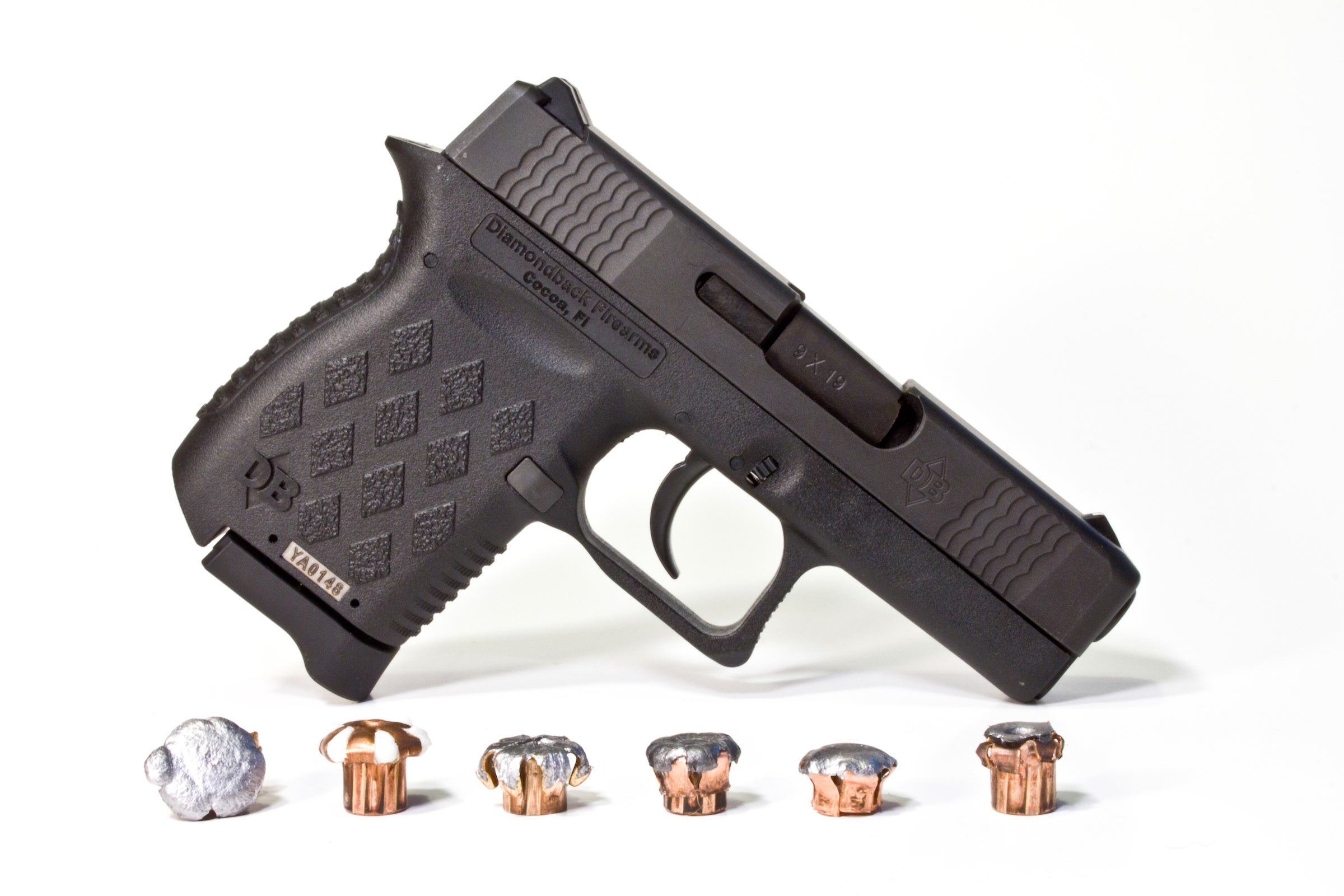
Not everyone shoots only at targets. Some want to hunt, and others want to rely on a handgun for personal protection. In either application, terminal performance matters because you want the bullet to push deep enough and to damage as much tissue as possible. Given all the 38 Super self-defense loads I’ve tested, the average penetration depth was 14.31 inches, nicely in the middle of the FBI’s 12 to 18-inch optimum. With similar bullets, the 9mm performed nearly identically.
So which cartridge offers the best terminal performance? With any comparison, you’re splitting hairs, but it’s a generally accepted fact that more velocity is better. It’s why the 9mm is considered better than the 380 ACP, and why the 357 Mangum is considered better than the 38 Special. If you believe 9mm +P ammo will deliver better terminal performance than standard-pressure 9mm ammo, then your logic would dictate that the 38 Super is better than the 9mm. However, given the best of both cartridges, it’s doubtful any coroner or pathologist could tell the difference.
Advantage: 38 Super
38 Super vs. 9mm: The Bottom Line
Out of similar pistols, the 38 Super shoots faster and hits harder, but it will also recoil a bit more. When compared to the 9mm, this increased recoil will slightly increase the time it will take you to get multiple accurate hits. The tradeoff is minutely better terminal performance, but I’m not so sure it’s worth it. This is partly because of the limited number of handguns available in 38 Super. It’s also partly because of available factory ammunition. Currently, there are more than 150 factory 9mm loads and only about 15 available for the 38 Super.
Read Next: The 10 Most Overrated Cartridges
On the other hand, if you want to play the competition game and you want to do so with a pistol that will allow you to compete with major power factor, the 38 Super is the clear choice. You may have to load your own ammunition to make it happen, and your pistol might wear out a lot sooner, but at least you can say you’re playing with the big boys.
Read the full article here