



Since the first bullet weight was invented by Larry Crumrine circa 1970, this innovative weight design has become the most widely used (and widely duplicated) bass fishing weight in the world.
The reason being, there’s so much you can do with this one simple weight. We’re going to expound upon the versatility of this piece of terminal tackle today as we list out a few common (and one or two uncommon) ways you can use a bullet weight.
- Texas Rig
- Carolina Rig
- Tokyo Rig
- Free Rig
- Drop Shot Rig
- E-Rig

TEXAS RIG
The OG, a Texas rig has long been linked to a bullet weight. One of these weights, with its cylindrical base and wedged point, works extremely well at slipping through grass, wood and other cover. And, as it does so, it makes way for the soft plastic lure and hook that trails just behind.
Texas rigs are as simple to rig as they are effective. Just slide the bullet weight on with the line passing through the pointed end fist. Then tie on an offset shank worm hook and slip your favorite lizard, worm or other soft plastic onto the hook and you’re ready to fish along the bottom at a wide range of depths.
CAROLINA RIG
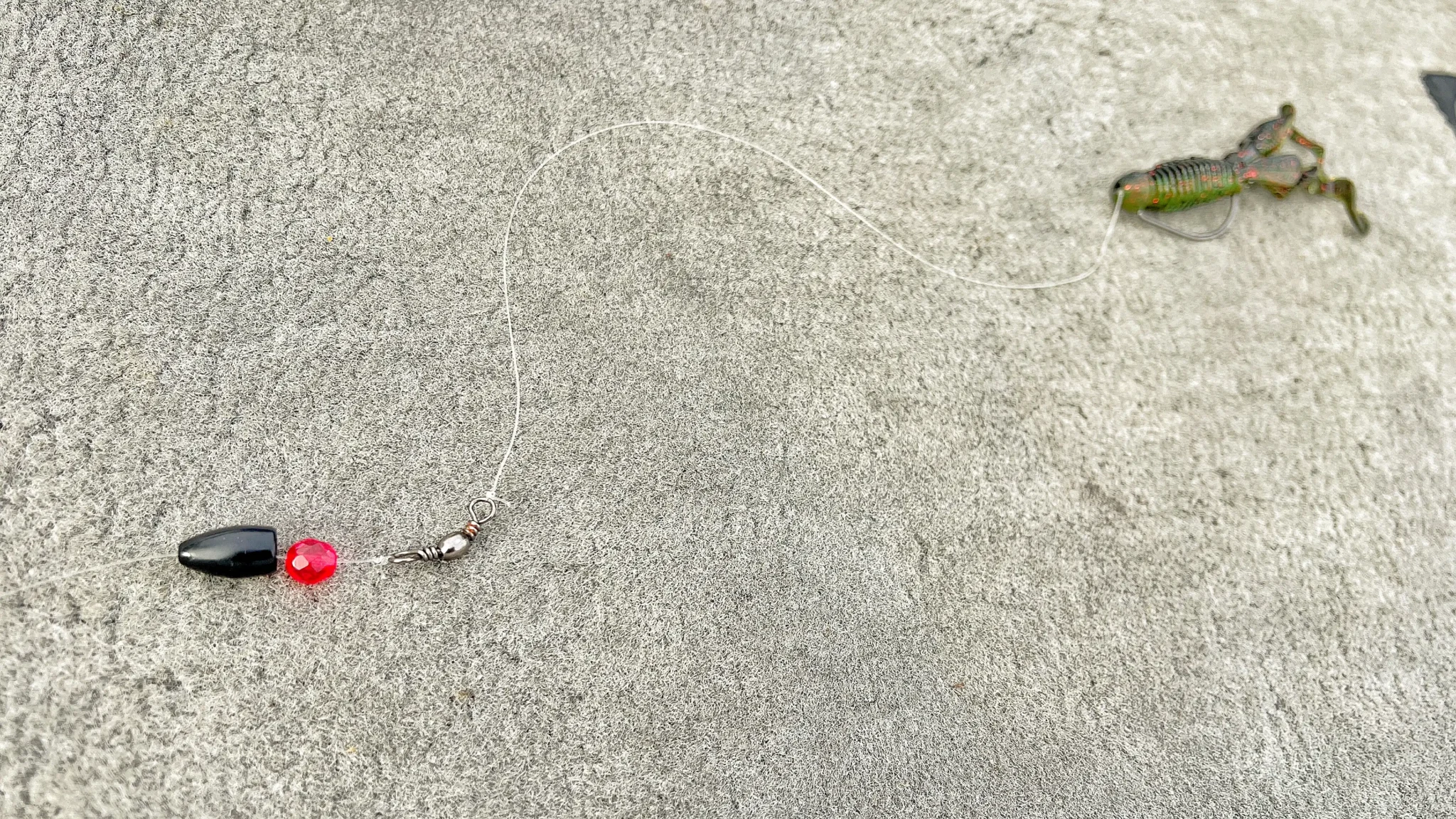
Though egg sinkers and cylinder weights are often associated more with Carolina rigs, a bullet weight would certainly suffice in many situations. If you’re fishing in 20-feet of water along a fairly mucky or clean bottom, put an ounce bullet weight on and you’re ready for action. Or if you want to fish a ¼-ounce bullet weight on the front of a light C-rig in shallow water, that’s an option too.
However, if you’re going to be dragging a Carolina rig through fairly rough and rocky terrain, you’ll likely fare better using one of the more bluntly pointed egg or cylinder weights, as a bullet weight can wedge into these tight areas and snag easily.
TOKYO RIG
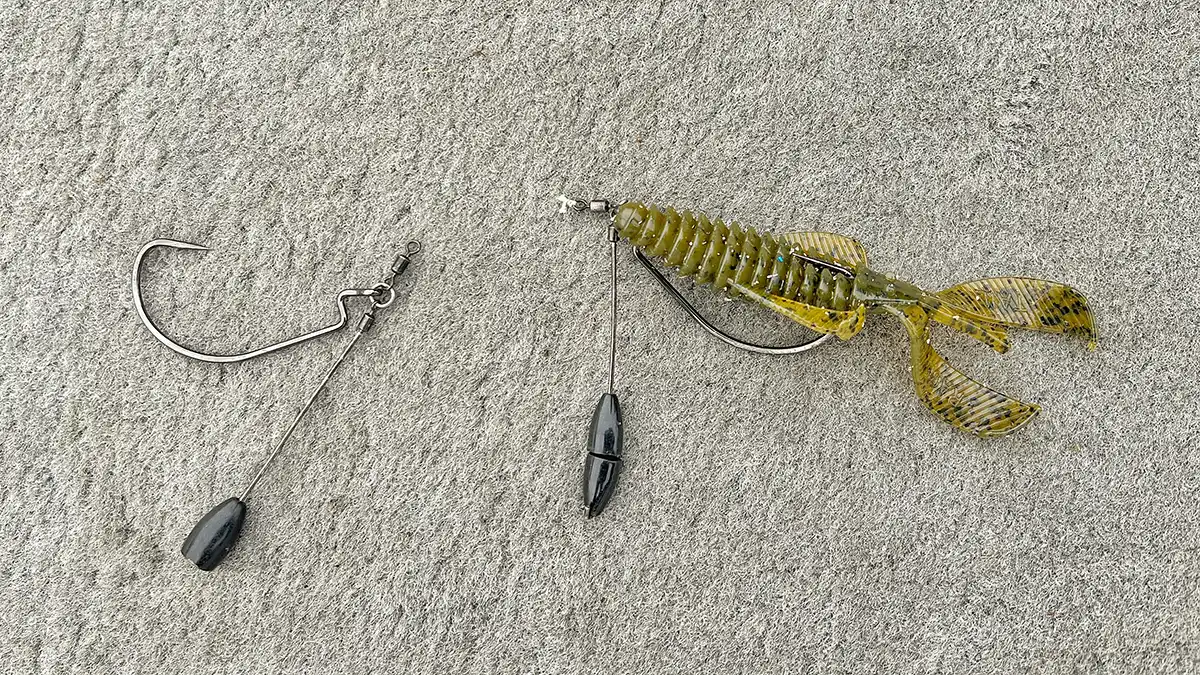
One of the best ways to use a bullet weight is with a Tokyo rig. This setup, consisting of a hook and a drop wire, has gained a good bit of popularity in the last decade or so. Though a variety of weights could be added to the wire, bullet weights tend to slip through the cover better, resulting in fewer snags and lost rigs.
You can either slide one bullet weight up onto the wire (pointed end first), or you can use two smaller bullet weights—the first pointed up and the second pointed down. The latter way of rigging creates a slimmer presentation with a point on either end of the combined weights, which sheds grass and muck better than one bulkier weight would.
FREE RIG
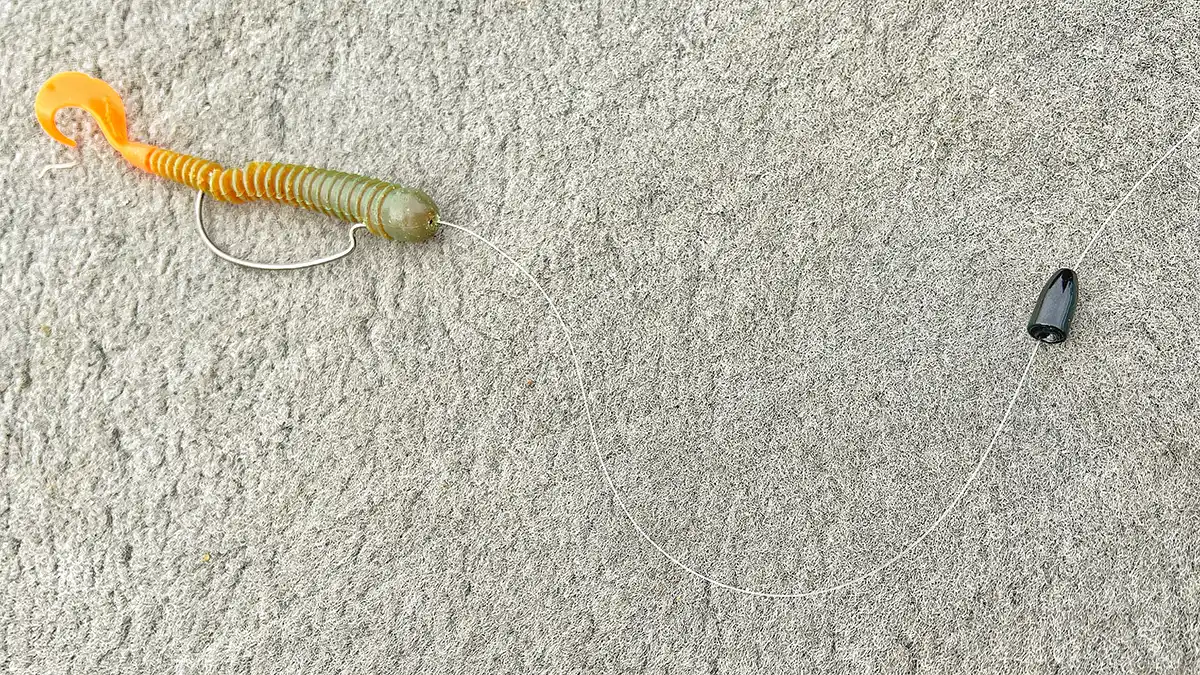
The Free rig is another rig that, like the Carolina rig, there’s a better designed weight for it in the bell weight. But, if you don’t have a bell weight on hand, a bullet weight will certainly suffice, though the range of motion of the soft plastic will be more limited.
A bullet weight on a free rig is essentially an unpegged Texas rig. Many anglers now use bobber stoppers or pegs to keep the bullet weight close to the nose of a Texas rig. But, if you go with an unpegged weight, the bait can wash around freely a bit more, moving away from the weight a little. This rig is finessier and works better with lighter weights than you’d use with a traditional Texas rig as well.
DROP SHOT
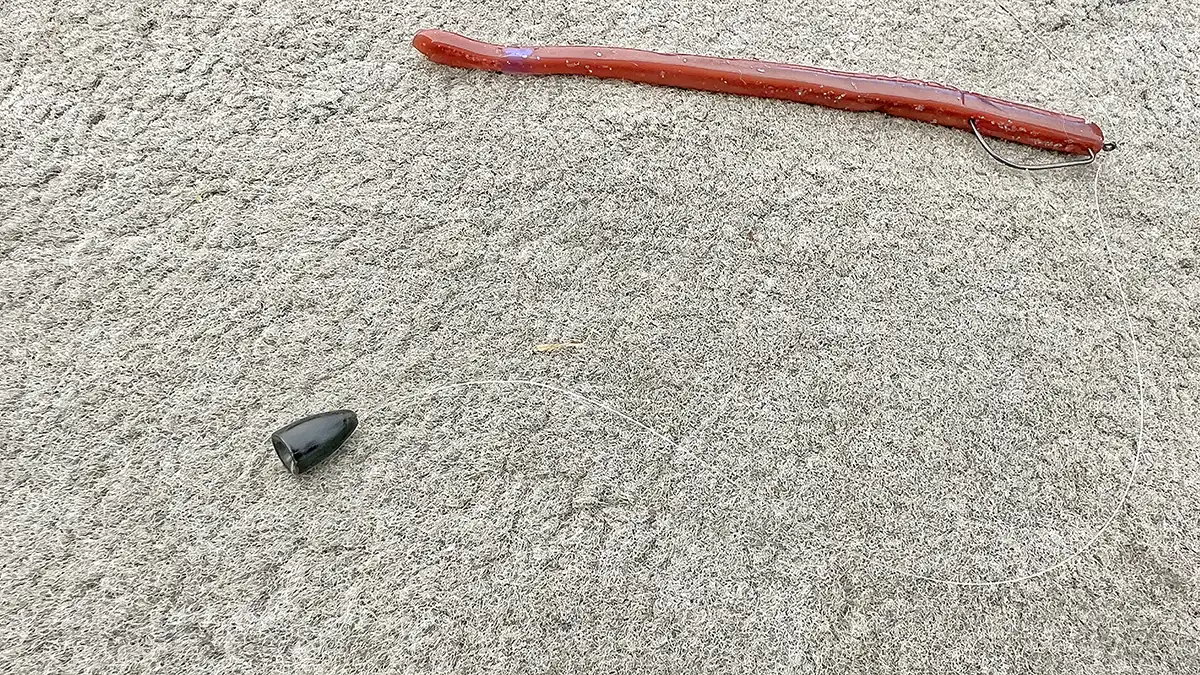
Again with a drop shot, there are certainly better weights designed specifically for this technique than a bullet weight. But, if you’re in a pinch, a bullet weight will allow you to fish a dropshot a lot better than no weight at all. In this instance, you’ll want to tie on your hook as you normally would when rigging a dropshot, leaving a long tag end for your weight.
You can secure your weight a number of ways, two of which are pretty straightforward. Running your line through your weight (pointed end first) you can take the line after it passes through and tie a knot back around the line above the weight. Or, you can simply use a rubber peg to secure the weight at the bottom of your rig.
E-RIG
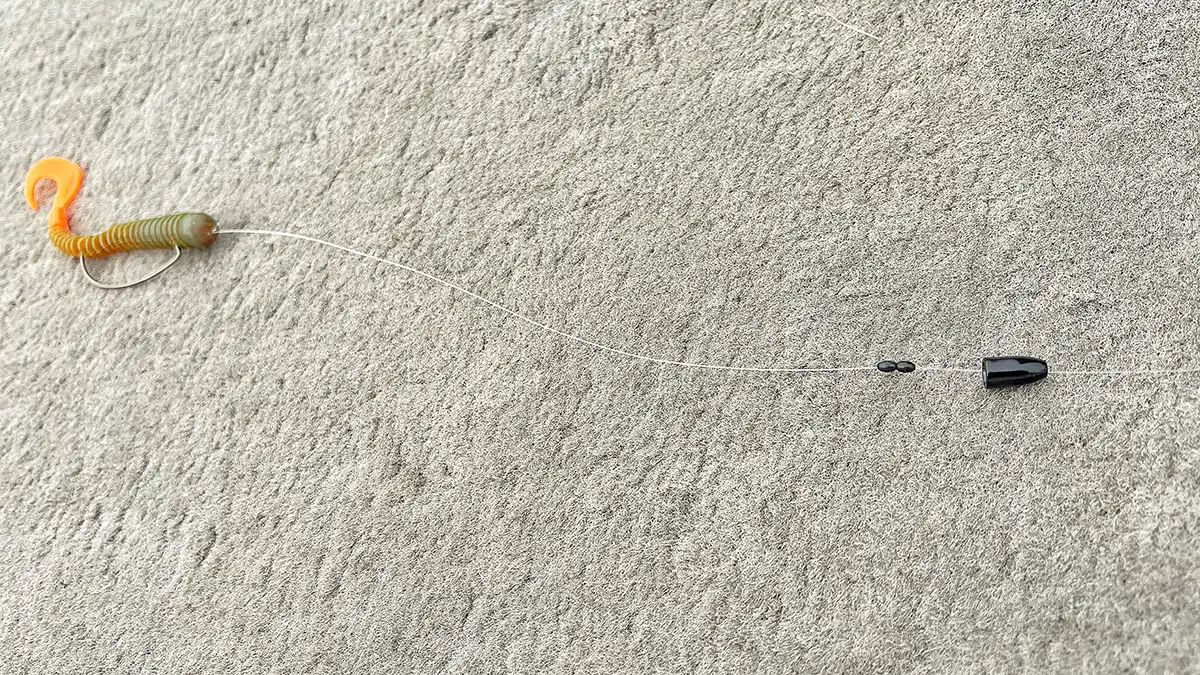
An E-rig, which may not be known to many and is certainly not likely known by that name, is a rig my good friend Neal Webster told me about years ago. I don’t know if he came up with it himself or saw someone else do it, but he deemed it the E-rig—because his favorite place to use it was on Lake Eufaula in Alabama.
The E-rig (or Eufaula rig) is a lot like a lightweight Carolina rig. But instead of using a swivel to separate the weight from the bait, you use a bobber stopper (or two). First, slide a light bullet weight up onto your line, then slide on a bopper stopper, or two if you’re using a light diameter line or heavier weight. You’ll never want to use more than a 3/16-ounce weight with an E-rig; if a heavier weight is needed, revert to a Carolina rig.
The need for two stoppers with heavier weights or lighter line is so that the weight doesn’t push the bobber stopper down to the hook on the cast. With the weight and bobber stopper(s) in place, slide them up the line about a foot and then tie on an offset shank or light wire EWG hook. Add your favorite finesse plastic and now you have an E-rig. The beauty of this rig is that you can adjust the space between your weight and bait by simply sliding the bobber stopper(s).
WRAPPING UP BULLET WEIGHT USES
Bullet weights are again the most versatile of all fishing weights. Their surface area makes it easy to maintain bottom contact and increases the sensitivity of a technique. The shape works as a perfect wedge, plowing the way through vegetation and most other cover for the trailing hook and soft plastic.
And then there’s the fact that these weights can be used in a variety of situations where, though they may not be ideal, they will suffice. Hopefully this piece showed you a little of the versatility of bullet weights, and perhaps spurred you on to try a bullet weight with one of these techniques if you haven’t yet.
As an Amazon Associate, we may earn income when you click on an Amazon link. Thanks for helping us do what we love.

Read the full article here