





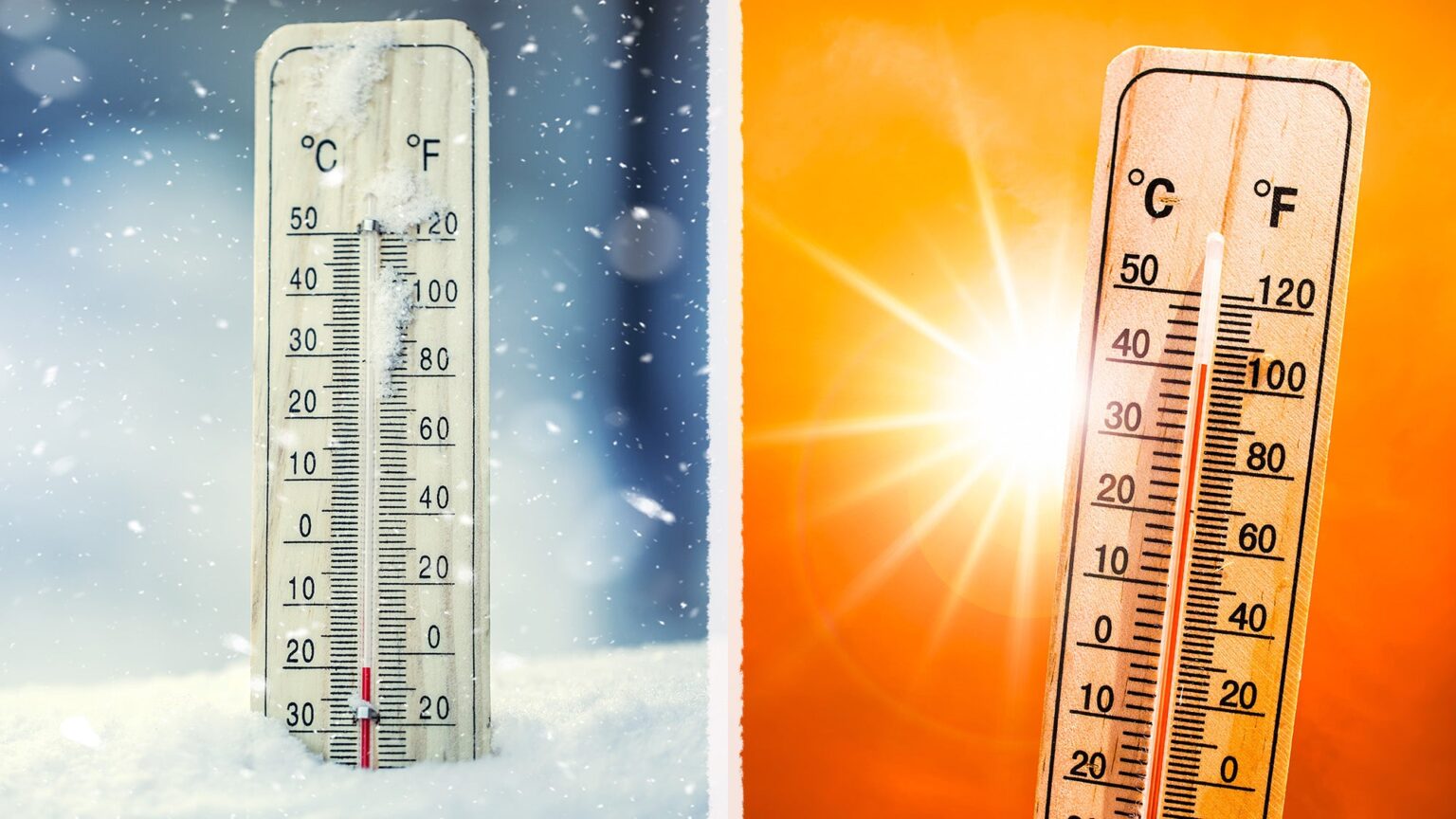

Hypothermia and hyperthermia are both very real risks when spending time outdoors. Both have to do with the body being unable to regulate itself at a normal core temperature due to extreme circumstances, and both can be fatal if not correctly treated. Taking a first-aid class will reduce the risk of getting sick from extreme weather, but a simple understanding of the signs and symptoms of hypothermia vs hyperthermia can help save a life out in the field. Here’s an outline about how to spot these illnesses, how to treat them, and the facts that tell us which is more deadly.
Hypothermia vs Hyperthermia, the Short Answer
Hypothermia is what you’re in danger of if you capsize on a late-season duck hunt, while hyperthermia could be a risk if it’s 90 degrees on your early season elk hunt and you’re hiking too hard. The human body typically hovers at or around 98.6 degrees Fahrenheit. And, according to the National Institute of Health, hypothermia is when that temperature drops below 95 degrees, and hyperthermia is when it exceeds 105.8 degrees. Each can be mild, moderate, or severe, as each leads to more than 1,000 deaths per year, according to the Centers for Disease Control and Prevention.
Table of Contents
- When Is There a Risk of Hypothermia?
- People at Extra Risk for Hypothermia
- When Is There a Risk of Hyperthermia?
- People at Extra Risk for Hyperthermia
- Symptoms of Hypothermia
- Symptoms of Hyperthermia
- How to Help Someone With Hypothermia
- How to Help Someone With Hyperthermia
- FAQ
When Is There a Risk of Hypothermia?
Hypothermia can begin when the body’s temperature drops only slightly, so it can occur when the human body is exposed to only moderately cold temperatures—30-60 degrees. Athletes training in the winter are at risk, as is anyone camping, hunting, or fishing during those cooler months. If doing so, it’s important to wear water-repellant protective gear that traps heat against the body, and to note that most of the body’s heat escapes through the top of one’s head. Besides wearing a hat, gloves, and other cold-weather gear, always make sure to check the wind chill index before leaving the house. This metric, which is calculated by the National Weather Institute, takes both temperature and wind speed into account.
People on both ends of the age spectrum are an increased risk, as are people with hypothyroidism or abnormal blood pressure. Hypothermia can take anywhere from minutes to weeks to develop, depending on exposure.
Anyone dipping into cold water should be extra careful, as heat can be transferred from a person’s body to the water about 25 times faster than it can be to the air. Swimming during the winter—or any other exposure to cold water—can trigger a case of severe hypothermia, where a person’s body temperature drops below 92 degrees Fahrenheit. In that case, death is imminent in the absence of immediate medical (and most likely professional) intervention. A doctor has other tools for dealing with hypothermia at his or her disposal, such as drawing blood, warming it, and recirculating it into the body.
When Is There a Risk of Hyperthermia?

Athletes training in the summer months are susceptible to hyperthermia if they aren’t careful. So are hunters, anglers, and anyone else spending prolonged time outdoors. Be on alert if the day’s “heat index” is greater than 105 degrees Fahrenheit, per the National Weather Service forecast. There are three stages of hyperthermia: heat cramps, heat exhaustion, and heat stroke. Heat stroke can happen in as little as 10-15 minutes.
Both the very young and the very old are at increased risk, because their body’s struggle to regulate temperature, as are people under the influence of alcohol or certain medications, like diet pills, laxatives, antibiotics, or antihistamines, or acne medications. It’s important to wear the appropriate layers and to properly hydrate before attempting any outdoor activity in extreme conditions, and to remember that it is recommended to never exceed more than 30 minutes in a hot tub or sauna. The good news is that risk, in most cases, can decrease with acclimation and a proper diet.
Symptoms of Hypothermia vs Hyperthermia
Hypothermia
- Shivering
- Slurred speech
- Shallow breathing
- Potential memory loss/confusion
- Weak pulse
Hyperthermia
- Muscle cramps
- Exhaustion
- Fast, weak pulse
- Headache
- Excessive sweating
- Vomiting
- Either dry or clammy skin
- Passing out (heat stroke)
How to Help Someone With Hypothermia vs Hyperthermia
Hypothermia
If someone is suffering from hypothermia, help get them inside if possible. At that point, help them remove any sweaty or wet clothing—particularly base layers that are close to the skin. If there is any dry clothing or blankets around, pile it on top of them to raise their core temperature. The idea is to get them to stop shivering, which is the body’s desperate attempt to generate heat. Seek medical assistance immediately.
Hyperthermia
It’s just as important to bring someone with hyperthermia inside—quickly. Barring that option, seek shade. Remove as many extraneous layers of clothing as possible, and give them water. If possible, try to increase their electrolytes with a sports beverage or anything containing potassium, sodium, and magnesium. Put them in an ice bath, or put cold towels on them, with an emphasis on the head, neck, shoulders, and groin area. Call 911.
Frequently Asked Questions
Can you get hypothermia in the summer, or vice versa?
Yes, there’s still a risk of hypothermia during the summer—an air conditioner set to below 64 degrees can also trigger an episode. This usually only affects older adults.
At what temperatures do hypothermia vs hyperthermia become a real risk?
The heart, brain, and other vital organs will begin to fail when internal temperatures reach 104 degrees, or drop below 68 degrees Fahrenheit.
Hypothermia vs hyperthermia: Which is more dangerous?
The cold is far deadlier than the heat, according to a recent study from the CDC. Although heat is a silent killer, and heat deaths are on the rise due to global warming, there are nine deaths related to the cold for every one caused by hyperthermia.
Read the full article here