





We may earn revenue from the products available on this page and participate in affiliate programs. Learn More ›
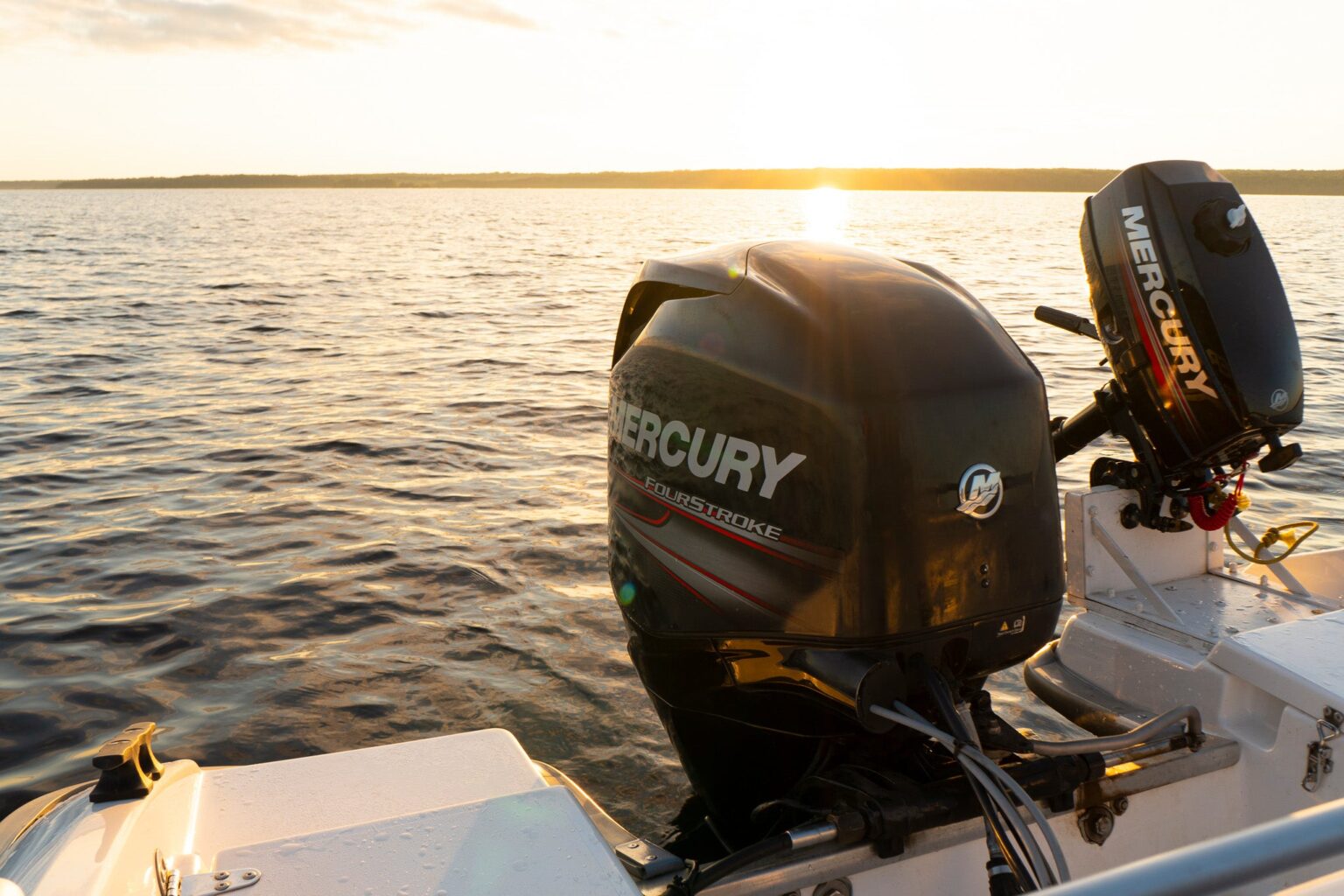
If you’re shopping for a new fishing boat or an outboard motor to power it, one of the decisions you’ll have to make is between a 2 stroke vs 4 stroke engine. Unless you’re going electric, this choice is unavoidable. Every gas- and diesel-powered outboard on the market today is either a two stroke or a four stroke.
Both options will get you where you need to go, but each has its own advantages when compared side-by-side. Four strokes are more common these days because they run cleaner and more efficiently. But two strokes, which are typically more affordable and easier to fix, are still favored by many hardworking captains and fishing guides. Determining which is better for you means weighing these advantages and understanding the trade-offs between 2 strokes vs 4 strokes.
What Is a “Stroke,” Anyway?
When we talk about two strokes and four strokes, we’re referring to two different types of internal combustion engines. Both engine types have been around since the late 1800s, and both rely on pistons that fire up and down to create power. Without getting too deep into the science behind internal combustion, a “stroke” occurs each time the pistons go up or down. In other words, a two-stroke engine completes one power cycle with every two strokes of the pistons, while a four-stroke engine completes one power cycle with every four strokes. If you’re interested, watch this video for a full explanation on how two-stroke and four-stroke internal combustion engines work:
https://www.youtube.com/watch?v=/s8_RHnXfN8k
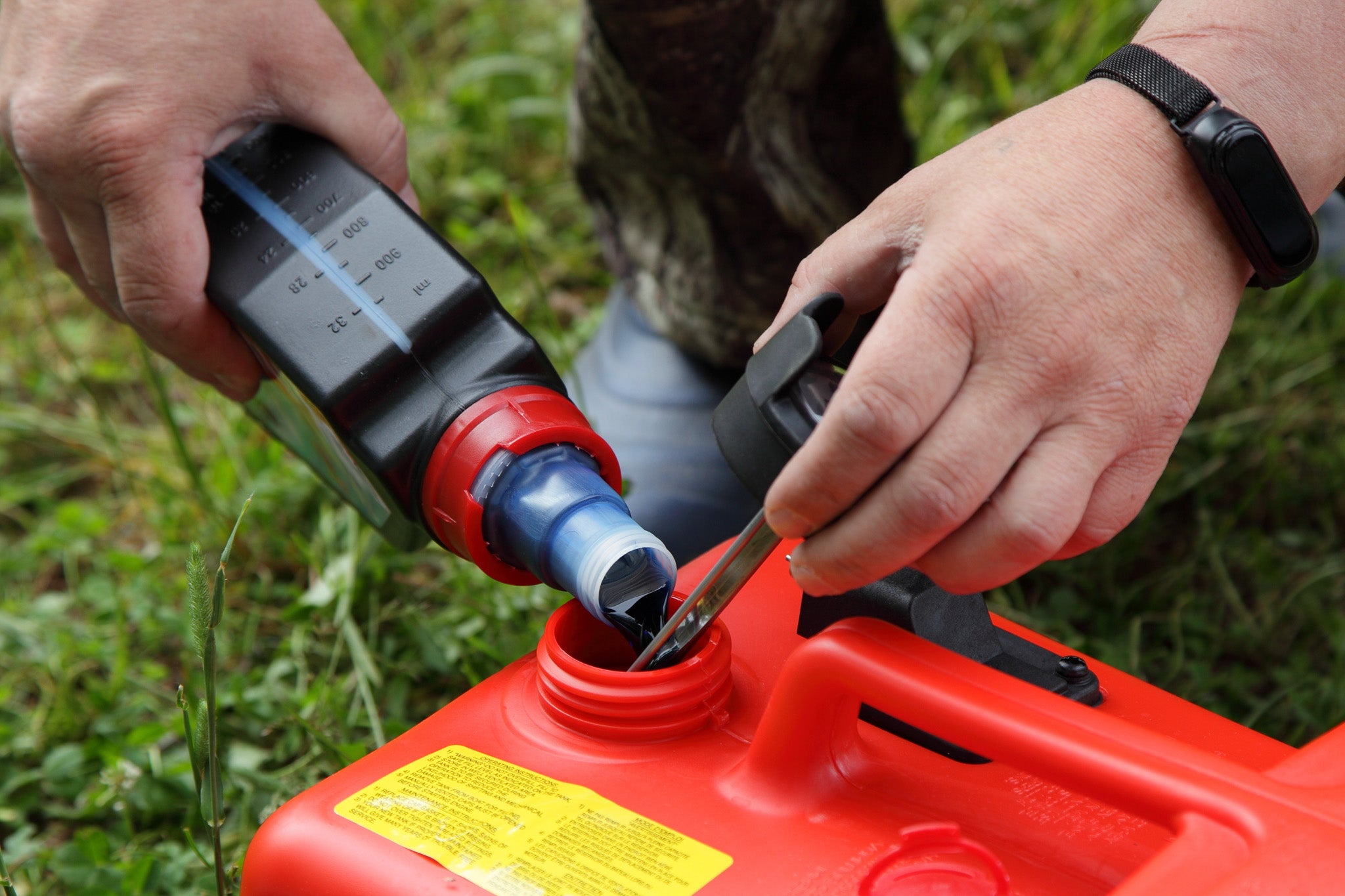
The other major difference between the two engine types is the type of fuel they burn. Two strokes run on a mixture of oil and gas, while four strokes have separate gas tanks and oil reservoirs, along with a separate pump that injects the oil to lubricate the engine.
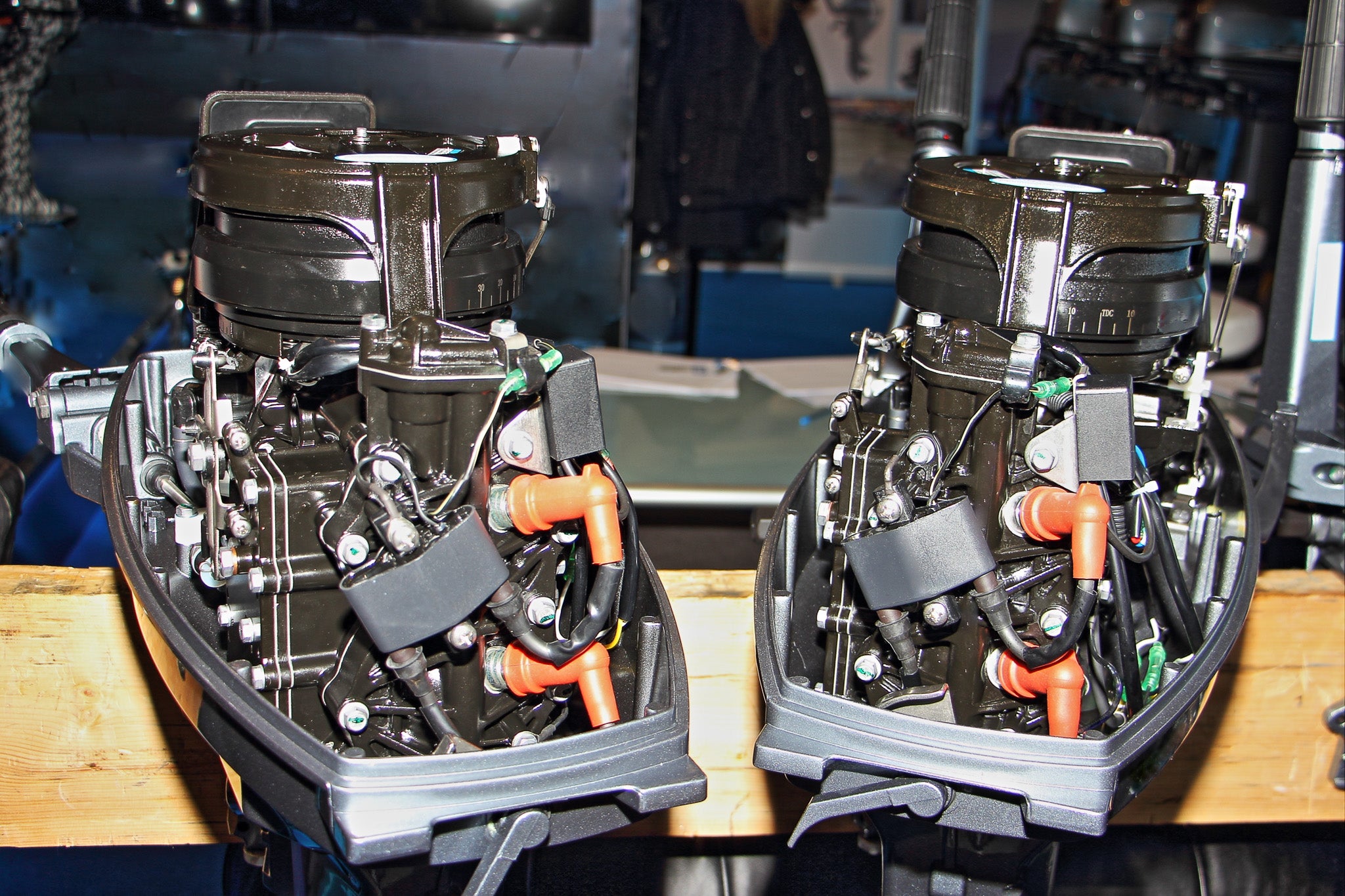
In the most basic mechanical terms, a two-stroke engine is simpler than a four-stroke engine. It has fewer moving parts and requires fewer steps to achieve combustion.
Key Differences Between a Two- and Four-Stroke Outboard
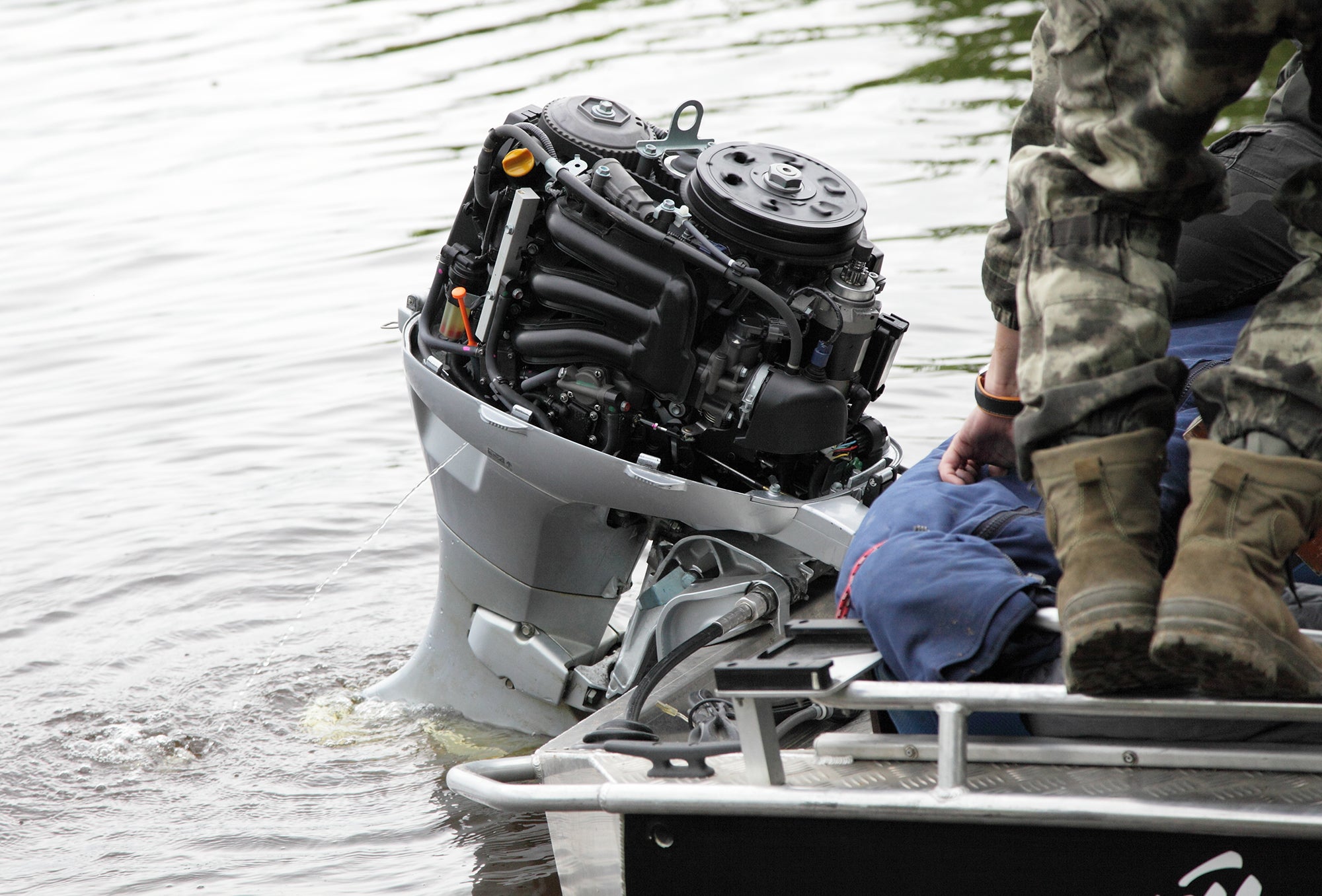
Simpler doesn’t always mean better, though. It’s no coincidence that every modern gas-powered automobile has a four-stroke engine under the hood and not a two-stroke. On the flip side, there are good reasons why most lawnmowers, scooters, and other small machines are built with two-stroke engines. Each engine type has advantages, which is why some outboard manufacturers offer both options.
The main differences between two-stroke and four-stroke outboard motors can be broken down into six main categories: affordability, fuel efficiency, power, emissions, durability, and ease of maintenance. By looking at these categories and deciding which are most important, you should be able to compare 2 strokes vs 4 strokes and choose a clear winner.
Affordability
New two strokes are typically more affordable than four strokes. A two-stroke 50hp Yamaha has an MSRP of around $6,500, for example, while the same size Yamaha in a four-stroke option costs closer to $8,000. Two strokes have a simpler engine design that requires fewer working components, which drives down the cost of the motor.
The overall cost of an outboard doesn’t end with the initial purchase, however. There’s also the cost of fuel to consider, and this is where fuel efficiency comes into play.
Fuel Efficiency
Four strokes have a real advantage over two strokes in this department. The fuel efficiency of a four-stroke outboard can be around 50 percent better than a two-stroke with the same horsepower. This translates to less money spent at the pump and more time on the water. It makes an even bigger difference if you’re traveling long distances to fish, and it’s why most saltwater captains who run offshore trips exclusively use four-stroke engines.
Power
Two strokes get the nod here with a better power-to-weight ratio. Because they’re lighter and smaller than four strokes, two strokes can accelerate more quickly and operate at higher RPMs than comparable four strokes. This translates to a faster top-end speed and more power overall.
Emissions
Four strokes run much cleaner than two strokes, which means four-stroke engines produce far fewer emissions. A modern four stroke can run up to 90 percent cleaner than a traditional two stroke.
This has everything to do with the kind of fuel each engine uses. Since two strokes burn a mixture of oil and gas, burnt oil vapor is released into the air along with the exhaust. Four strokes, by comparison, burn straight gas and emit zero raw fuel pollution. Advancements in fuel-injection technology have allowed manufacturers to lower the emissions produced by two strokes, but four strokes are still the more environmentally-friendly choice.
The fuel type also limits where you can run a two-stroke outboard. Some water bodies and environmentally sensitive areas have banned two strokes and require all powerboats to be equipped with EPA-approved four-stroke outboards. This has led some manufacturers, including Honda, to stop making two-stroke outboards altogether.
Four strokes also run quieter and produce less vibration than two strokes. While they’re nowhere near as quiet as the best trolling motors, this is a distinct advantage on a fishing boat.
Durability
Four-stroke outboards are more durable in the long run compared to two strokes. This is because they’re heavier engines, and they’re designed to run at lower RPMs than two strokes.
Durability isn’t as much of a concern when you’re dealing with smaller outboard motors. Two strokes are commonly found on the best jon boats and the best duck boats, along with skiffs and other small vessels. This is because lighter, shallow-running boats often pair better with a lighter weight outboard. Step up to the bigger boats, however, and you’ll find that most captains are running four strokes.
Ease of Maintenance
Perhaps the biggest trade-off when comparing 2 stroke vs 4 stroke outboards is that four strokes might be more durable, but two strokes require less maintenance and are typically easier to repair.
In terms of maintenance, four-stroke outboards require oil changes on a regular basis, while a two-stroke gets fresh oil every time the tank is filled. Likewise, four strokes have more moving parts, which means more potential repairs.
A two-stroke engine’s simpler design also lends itself to easier repairs in the field when something goes wrong or breaks. Most mechanics agree that two strokes are easier to work on. They’re also much lighter and easier to move around. For these reasons, many remote fishing lodges in Alaska and elsewhere prefer two strokes over four strokes on their smaller skiffs.
FAQs
Does a 4 stroke need oil?
Yes, a 4 stroke needs oil to keep the engine lubricated and running strong. In both automobiles and outboards, the oil and gas go in separate tanks, and the oil has to be checked and replaced on a regular basis. This is different from two strokes, which run on a mixture of oil and gas that goes directly into the fuel tank.
Which is cheaper to maintain, a 2-stroke or 4-stroke?
This depends on the age of the outboard motor and the number of hours on it. But generally speaking, two-stroke engines are cheaper and easier to maintain than four strokes. Two strokes have fewer working parts that can go wrong, and they don’t require oil changes.
What is the disadvantage of a 2-stroke engine over a 4-stroke engine?
One of the biggest disadvantages of a two-stroke engine compared to a four-stroke engine is that two strokes are less fuel efficient. In addition to burning more gas, they also pollute more than four strokes.
Final Thoughts
Comparing 2 stroke vs 4 stroke outboard motors isn’t about which engine type is better. It’s more about determining which engine type is better suited to your needs. They each have their own advantages and drawbacks. Two strokes are lighter, more powerful, and easier to work on, while four strokes are quieter, cleaner, and more fuel efficient.
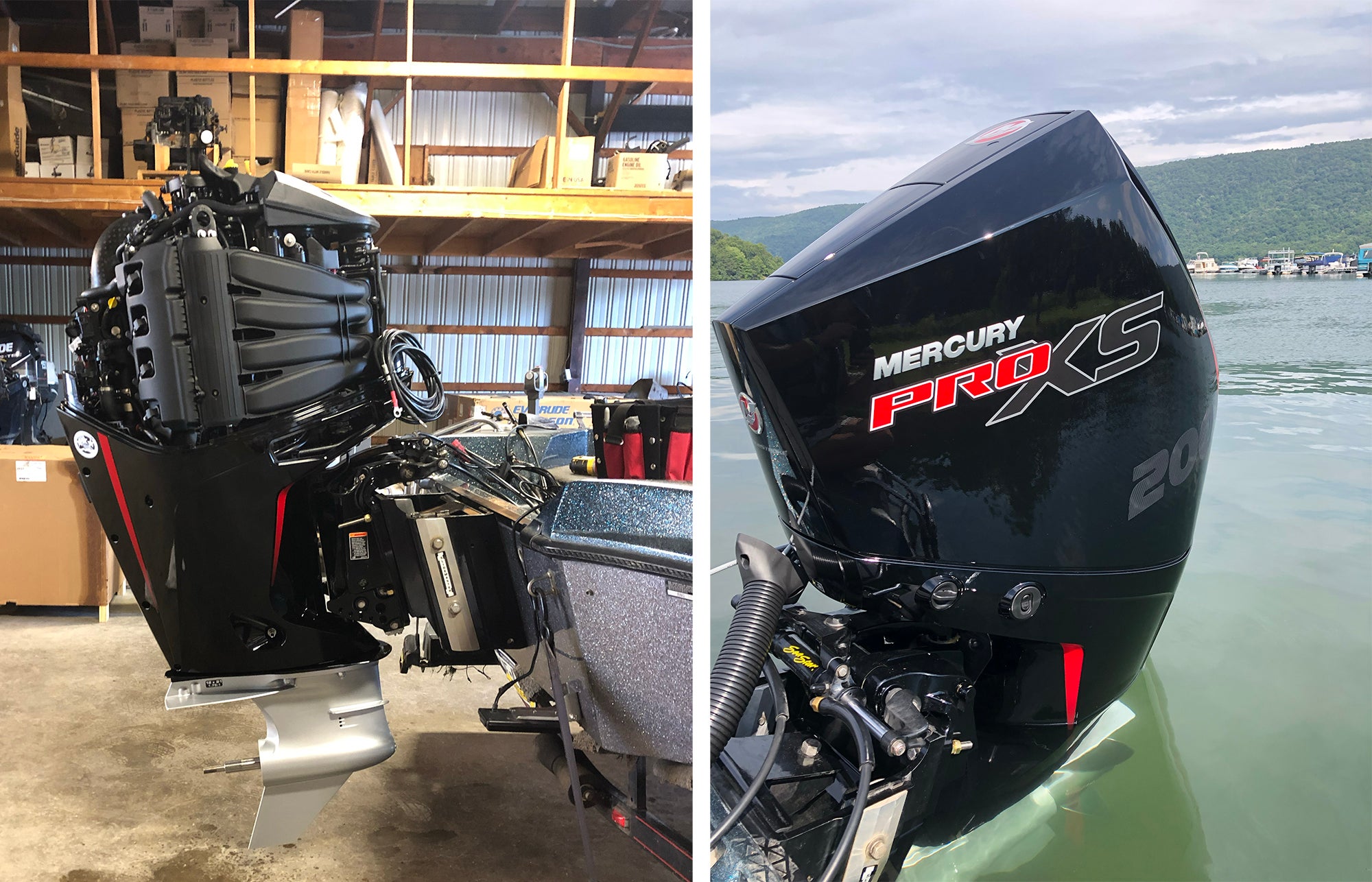
If you’re looking to power a larger boat and run long distances, you’re better off with a four-stroke outboard. And if emissions are a concern, whether that’s due to local regulations or your own environmental conscience, then the four stroke is still the clear winner.
But if you’re just in need of a small, portable outboard to run your jon boat or skiff, a two stroke will serve you well. Likewise, if you’re running a smaller boat in a remote location, or if the motor is going to sit for long periods of time without being maintained, a two stroke might actually be the better choice.
Read the full article here