



We may earn revenue from the products available on this page and participate in affiliate programs. Learn more ›
If you find yourself stumped by picky trout with any regularity, there’s a time-tested family of patterns that you’re probably not using enough. Enter the soft hackle fly. Characterized by their wispy, “buggy”-looking collars of partridge, grouse, or starling paired with bodies of thread or sparse dubbing, the soft hackle fly is as old as fly fishing itself. These patterns are designed to imitate a number of insects at any given time, so employing them isn’t an exact science. They’re catch-all bugs, and they’ve earned their place firmly among fly-fishing’s bank of classic flies.
Traditionally fished in the down-and-across presentation common to wet flies, the natural materials of a soft hackle fly impart dramatic and lifelike motion in river currents, resembling mayflies and caddisflies in various life stages. But this method is only a starting point. With a handful of soft hackles and a little creativity, an enterprising fly angler can successfully imitate the entire menu available in a trout stream, from microscopic midges to darting baitfish. For example, a soft hackle fly can be swung through a run to mimic an emerging insect rising in the water column, dead-drifted in a tandem nymph rig, weighted and stripped like a streamer, or greased up with a bit of floatant and fished in the surface film to fool selective rising fish—which is a great tactic if you’re struggling to accurately cast tiny flies to educated fish.
The greatest attribute of the soft hackle fly, however, is how forgiving it can be when your approach doesn’t go as planned. Execute a late mend and ruin your drag-free drift? No problem. Just let the fly swing through the tail of the run and watch a fish hammer it. Deliver a sloppy cast with too much slack to swing? Let the soft hackle sink lazily in the water column, resembling a drowned grasshopper. This is the true genius of the soft hackle: no matter how you fish them, you’re almost always fishing them well. All that said, the utility of the soft hackled fly is still somehow often overlooked. These six classic soft hackle fly patterns belong in every fly angler’s box.
6 Go-To Soft Hackle Fly Patterns
1. Partridge and Orange Soft Hackle Fy
One of the first flies ever documented, the Partridge and Orange makes an appearance in Izaak Walton’s The Compleat Angler and remains a standby pattern today. The two-ingredient fly is a breeze to tie, and the partridge collar evokes a range of insect anatomy, from the shedding shuck of a mayfly to the sprawling legs and antennae of caddisflies. Swing it through deep runs and bounce over shallow riffles, or tie it behind a dry fly, letting the tandem rig tighten and swing as it completes a drift. When trout take the trailing soft hackle fly, strikes are often aggressive. Be ready.
2. Beadhead Soft Hackle Pheasant Tail
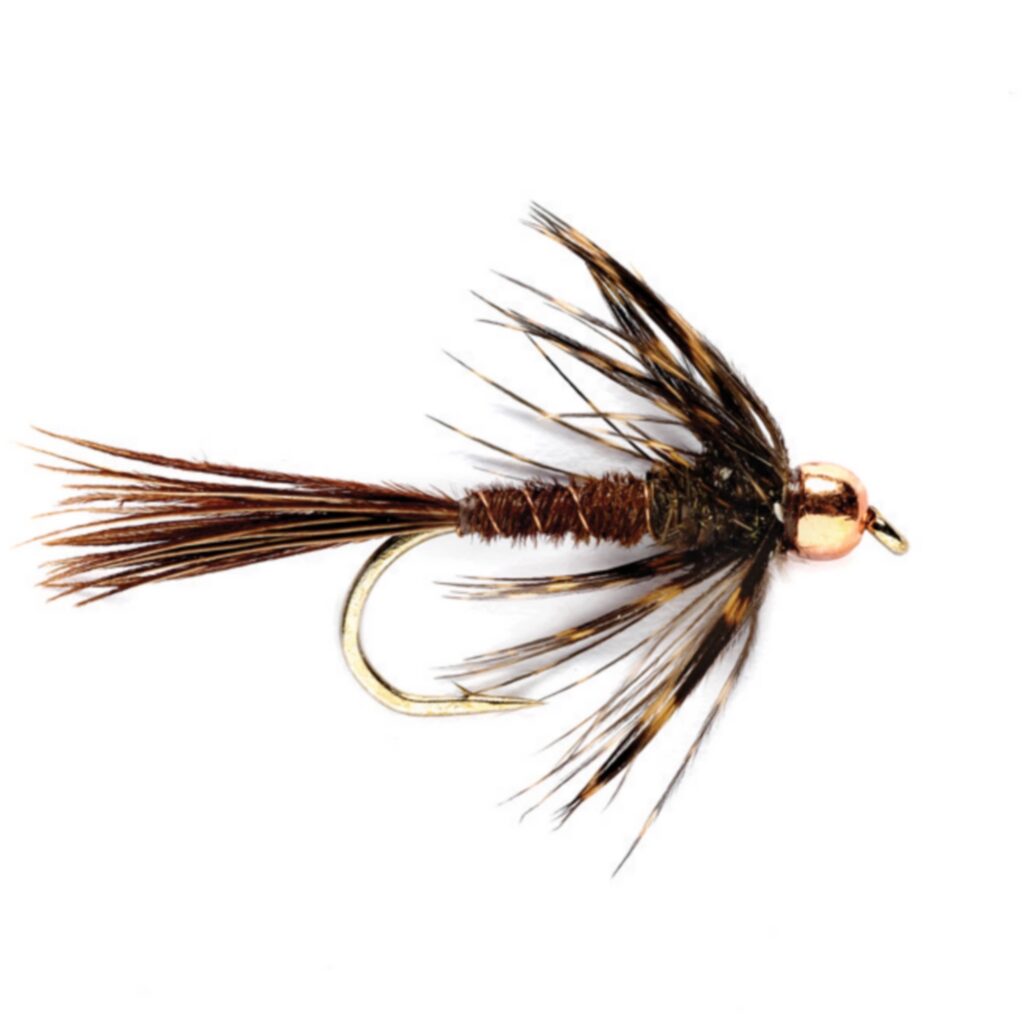
With the addition of a partridge or grouse collar behind the bead to impart motion and trigger more strikes, this variation on the classic pheasant tail is a deadly sidekick in any double nymph rig. Depending on the water conditions and insect life at hand, use a larger version as the lead bug to weight your rig and sink effectively in faster water, or tie on a smaller size as your bottom fly, letting it flutter and bounce. Soft hackle Pheasant tails also make fantastic droppers in the late summer and early fall. Drop this soft hackle fly 1.5 to 3 inches below a terrestrial dry fly and focus on fishing riffles near brushy banks.
3. Craven’s Soft Hackle Emerger
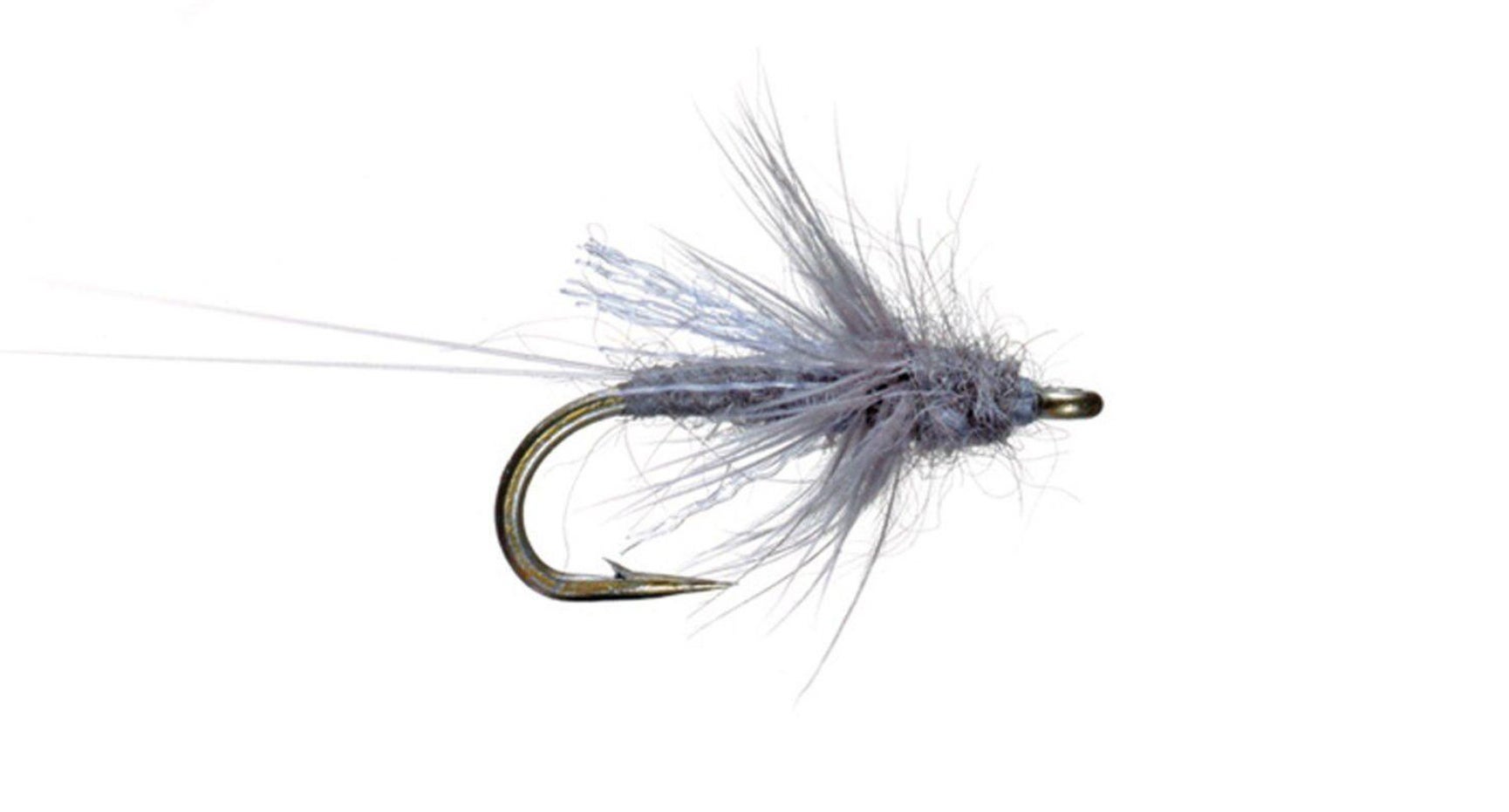
Former guide and professional tier Charlie Craven designed this pattern as a more lively alternative to the RS2 Emerger—the Craven’s Soft Hackle Emerger. The fly incorporates layers of hen cape and flourofiber above the thorax to catch light and give the fly a natural look in the water. It’s best fished in the surface film behind a dry fly or incorporated in a shallow nymphing setup. While the pattern is modeled after the profile of an emerging baetis, Craven reports that it often gets eaten as a baetis spinner. This capability of covering both the pre- and post-mating stages of mayflies makes this soft hackle fly the ultimate double-duty pattern for selective trout on rivers with lots of angling pressure.
4. The Gartside Sparrow
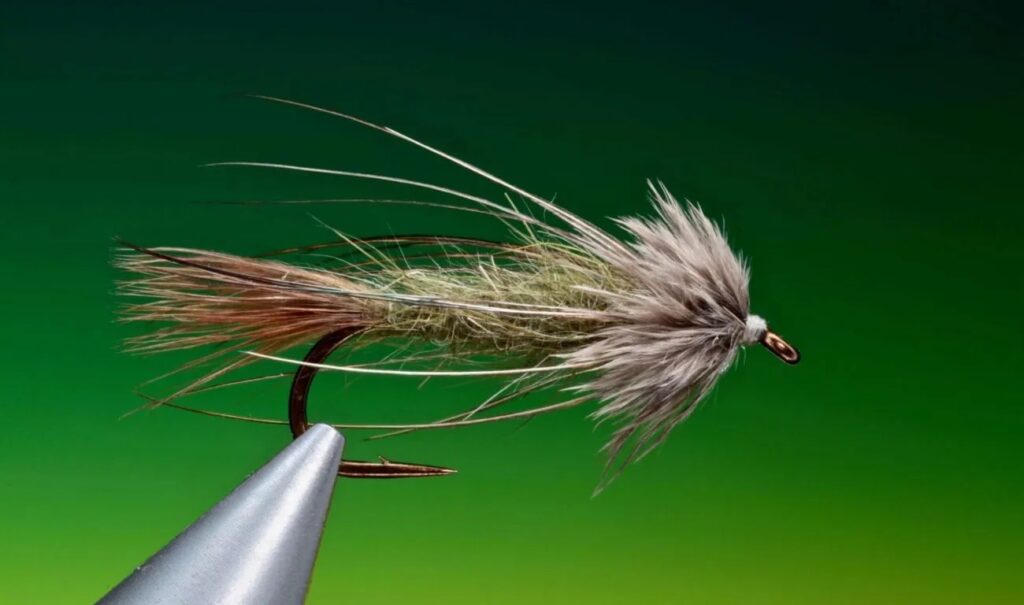
The Sparrow is an impressionistic, catch-all fly designed to impersonate all manner of prey, from baitfish to drowned grasshoppers. Fly tier Jack Gartside attributes his invention of the pattern to “being a lazy fisherman” and looking for a pattern to mitigate his frustration with swapping flies throughout the day. “[I wanted] a fly that could look like lots of things in general and nothing in particular,” he wrote. “I would let the fish make up its own mind as to what it was.” Gartside offers three tried-and-true methods for fishing the Sparrow: casting it upstream and dead-drifting it as a weighted nymph, retrieving it as a streamer with a down-and-across presentation, and delivering it unweighted along brushy banks, where fish often ambush drowning terrestrials. With its unrivaled versatility, the Sparrow is a worthy contender for any minimalist angler or someone who has exhausted all other options attempting to match the hatch. Instead of racking your brain and wasting tippet, tie on this soft hackle fly and leave the guesswork to the fish.
5. Sowbug Soft Hackle Fly
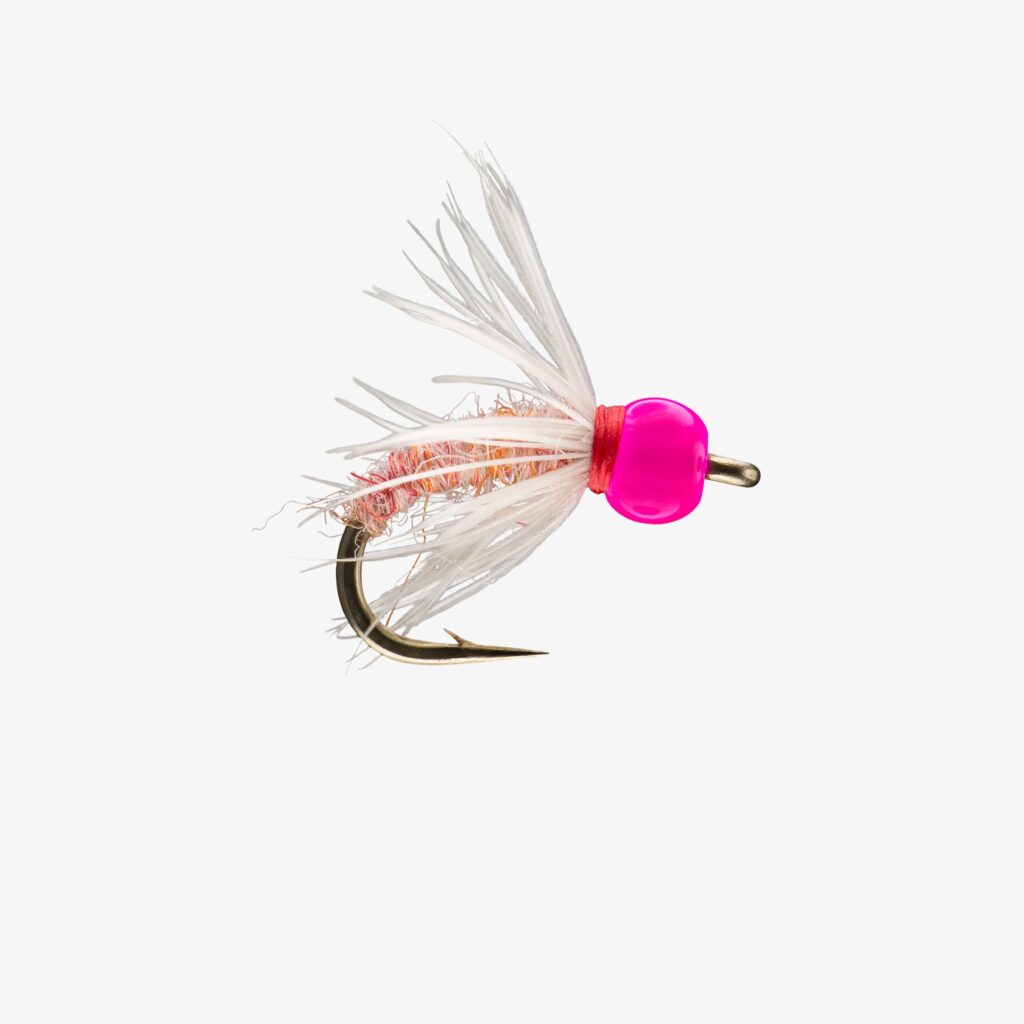
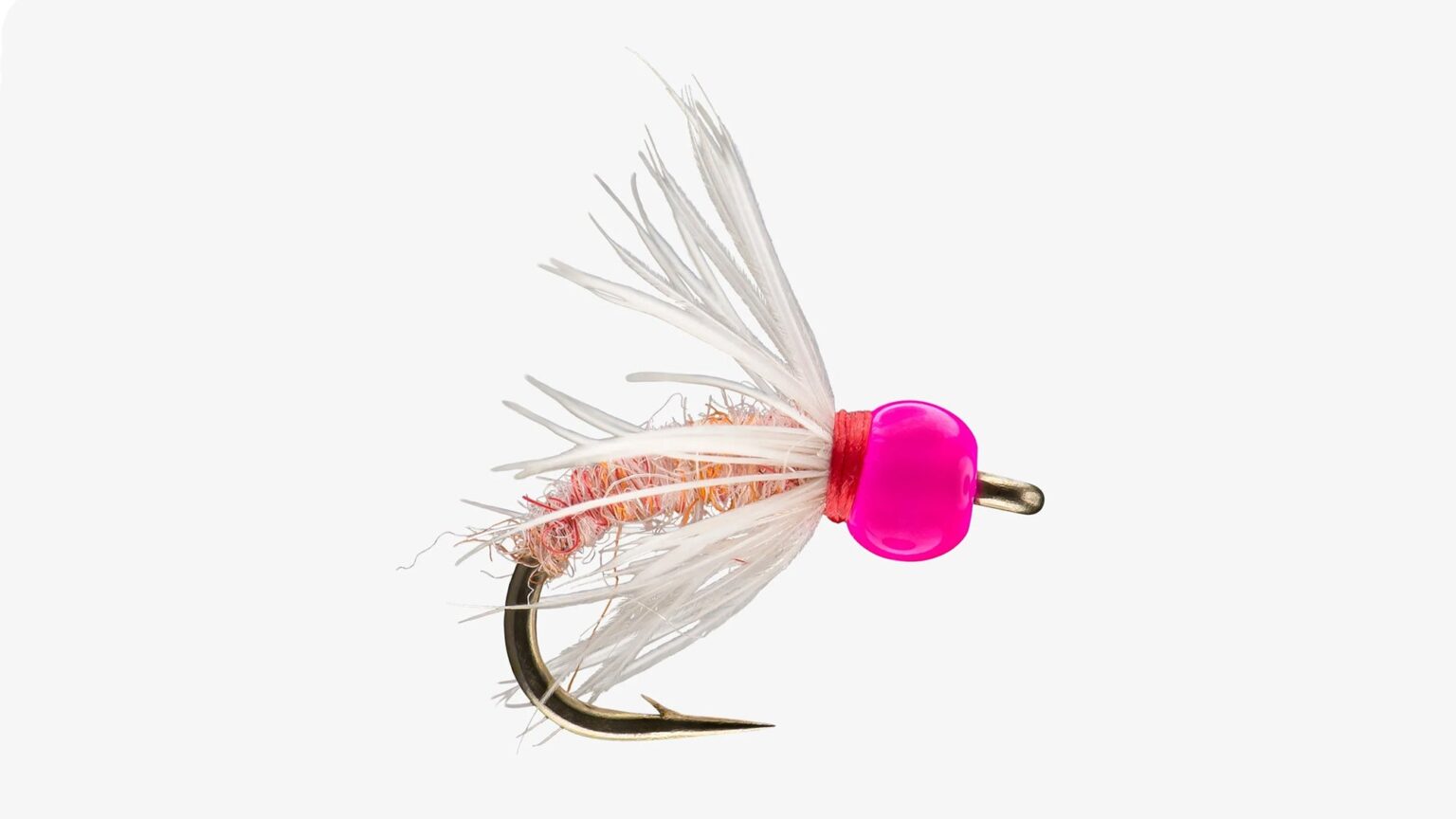
The sowbug soft hackle can be a day-saver on technical tailwater fisheries, where much of a trout’s diet consists of tiny, river-dwelling crustaceans. Often tied with a pink or orange tungsten bead, this versatile pattern can be swung behind a streamer or fished under an indicator through deep winter runs. Most importantly, don’t give up on your drifts. Trout will frequently take a weighted soft hackle fly in the eleventh hour when the leader begins to straighten out downstream and the angler is beginning to reset. Before recasting, let those flies dangle and pay attention.
Read Next: 9 Simple Flies for Catching Early-Season Trout
6. Holy Grail Caddis Emerger
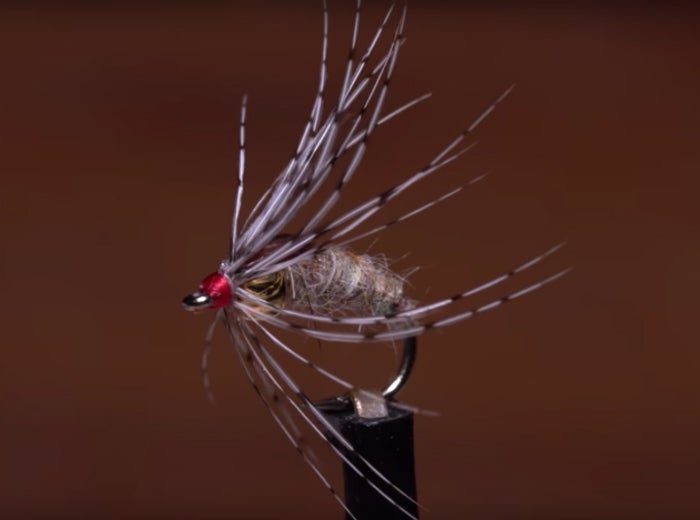
A new-school upgrade on the classic Bead Head Hare’s Ear, the Holy Grail Caddis Emerger works perfectly in a dry-dropper rig or as the lead fly in a nymphing setup. Partridge and natural dubbing give the pattern its lifelike bugginess and make it an ideal caddis imitation, but smaller versions with olive or yellow dubbing can mimic a host of mayfly emergers. Typically fished in sizes from #12 to #16, the Holy Grail sinks quickly, finds fish, and has become a favorite soft hackle fly among Western fishing guides.
Read the full article here