





We may earn revenue from the products available on this page and participate in affiliate programs. Learn more ›
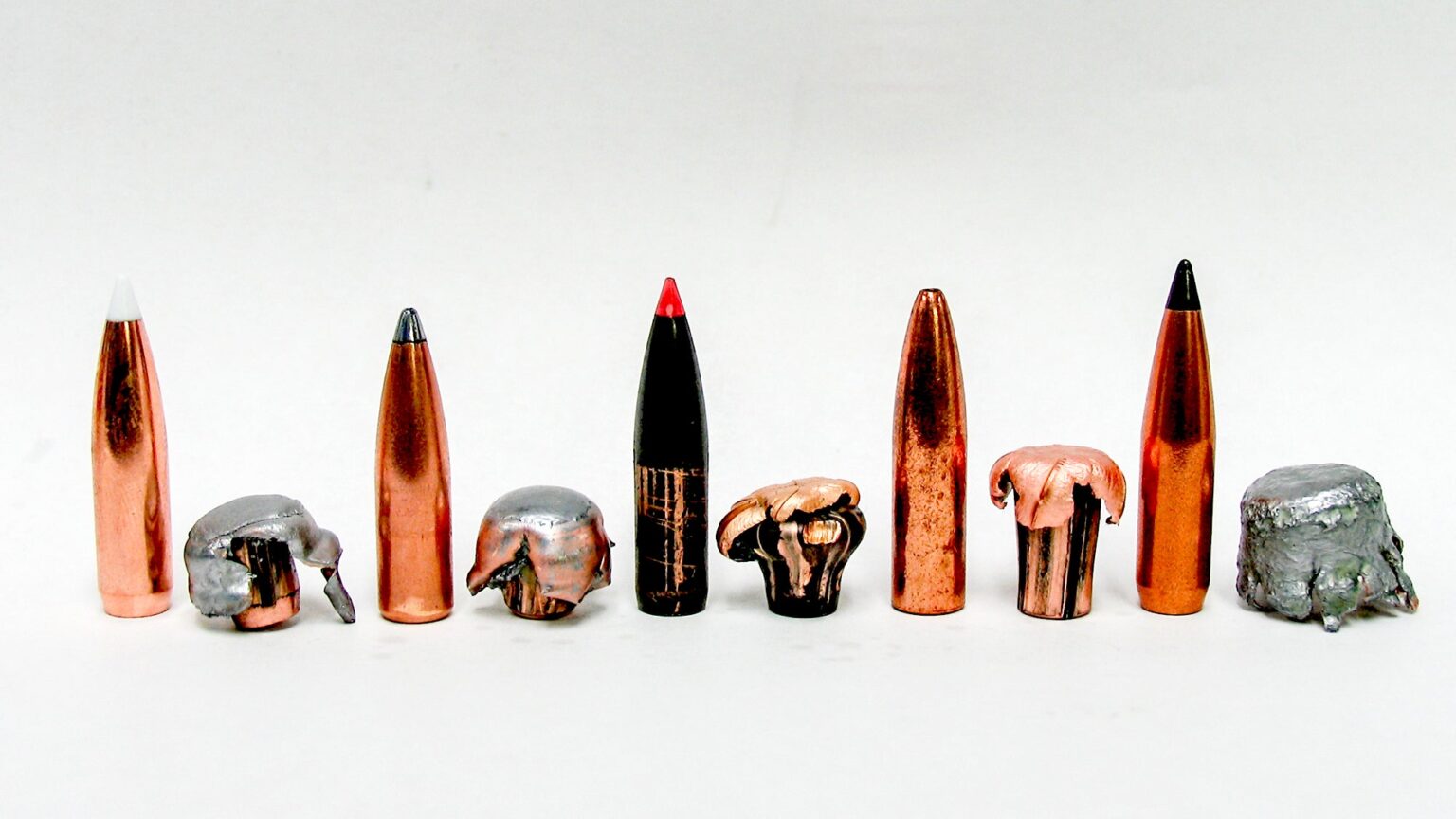
The basic question “What are bullets made of?” is fundamental to choosing the right projectile for the sort of hunting or shooting you do. Bullets are constructed from a variety of materials, including some of the very same ones used 100 and even 200 years ago. While the list of materials is longer today, for the most part what’s really changed is the way we modify, form, and put these materials together to get the best bullet performance for our needs. Here’s a run-down of what the most common projectiles are made of these days, and how their construction should inform you choices.
What Bullets Are Made Of Today?
Modern bullets are available in a huge variety of shapes, sizes, and designs to meet a host of different applications, but they are generally comprised of only a few different materials, including lead, lead alloy, copper, gilding metal, brass, and steel, sometimes with some plastic thrown in. Here’s a breakdown.
Lead
The first rifle bullets were round, pure-lead balls, wrapped in a cloth patch. The cloth patch allowed the bullet, or round ball, to engage the rifling in the bore so that rotation was imparted to help stabilize it during flight. Ultimately, patched round balls were discarded for hollow based conical lead bullets that would swell slightly to engage the rifling. As firearm velocities increased, these pure-lead projectiles proved too soft. They leaded the bore and inconsistently slipped through the rifling without obtaining the necessary stabilization. To circumvent, this other metals were added to the lead to make it harder, and the lead-alloy bullet was born. However, pure lead has not been abandoned, some modern jacketed projectiles have pure lead cores.
Lead Alloy
On the Brinell hardness scale, pure lead rates about a 4. By mixing lead with tin, antimony, and even silver, however, bullet-makers were able to produce a lead-alloy projectiles with a Brinell hardness as high as 30, allowing them to handle higher velocities. The toughest lead-alloy projectiles will not deform or will only minimally upset on impact and can be used for big-game hunting, even for dangerous game.
However, as velocities continued to increase, these bullets need what’s called a gas check at the base to help them engage the rifling and remain stable in flight. Gas checks are made of other, harder metals. Lead alloys are still commonly used as a bullet material, even more so than pure lead. By tuning the hardness of the lead alloy, and by combining it with a copper or gilding-metal jacket, the terminal performance can be optimized.
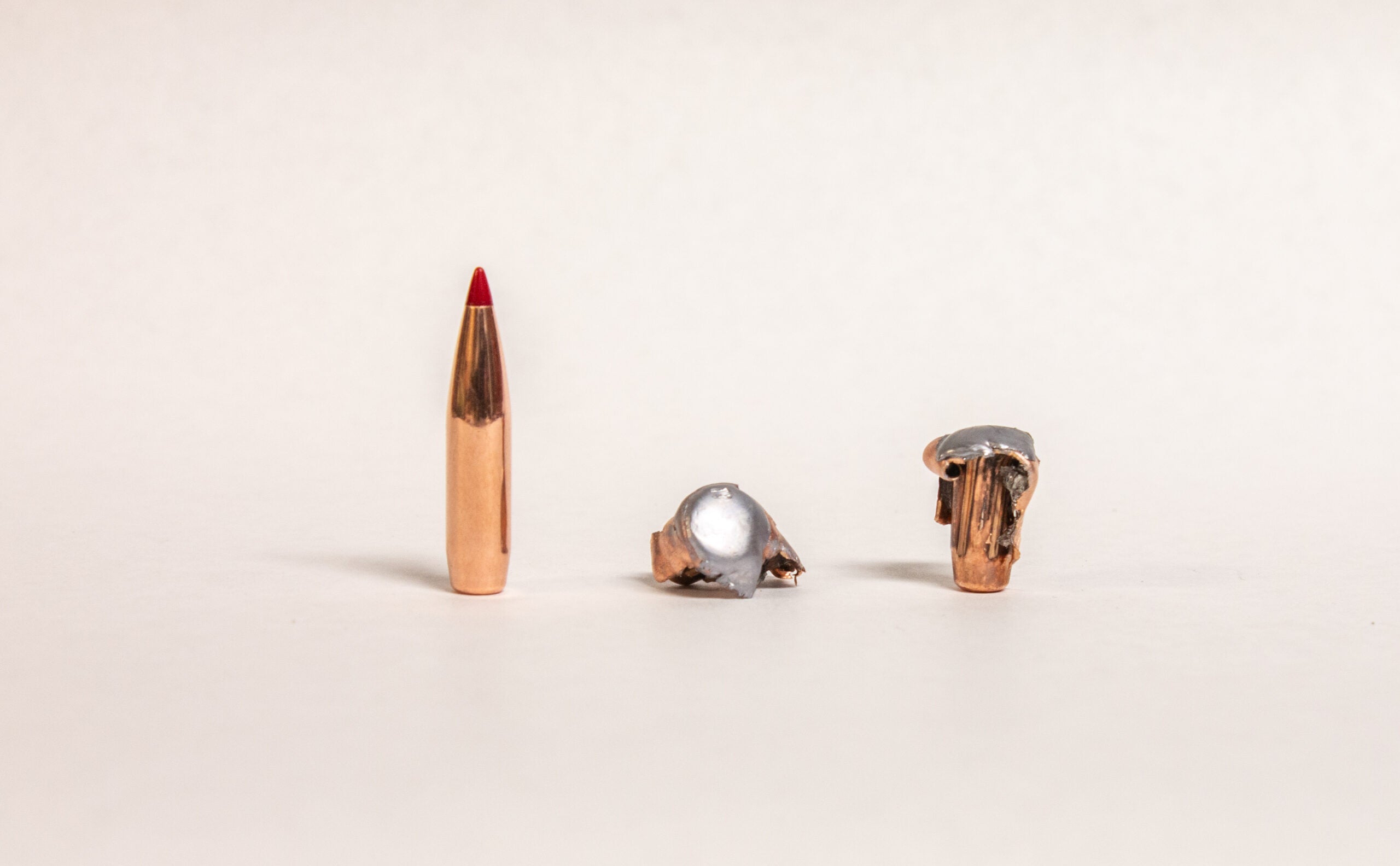
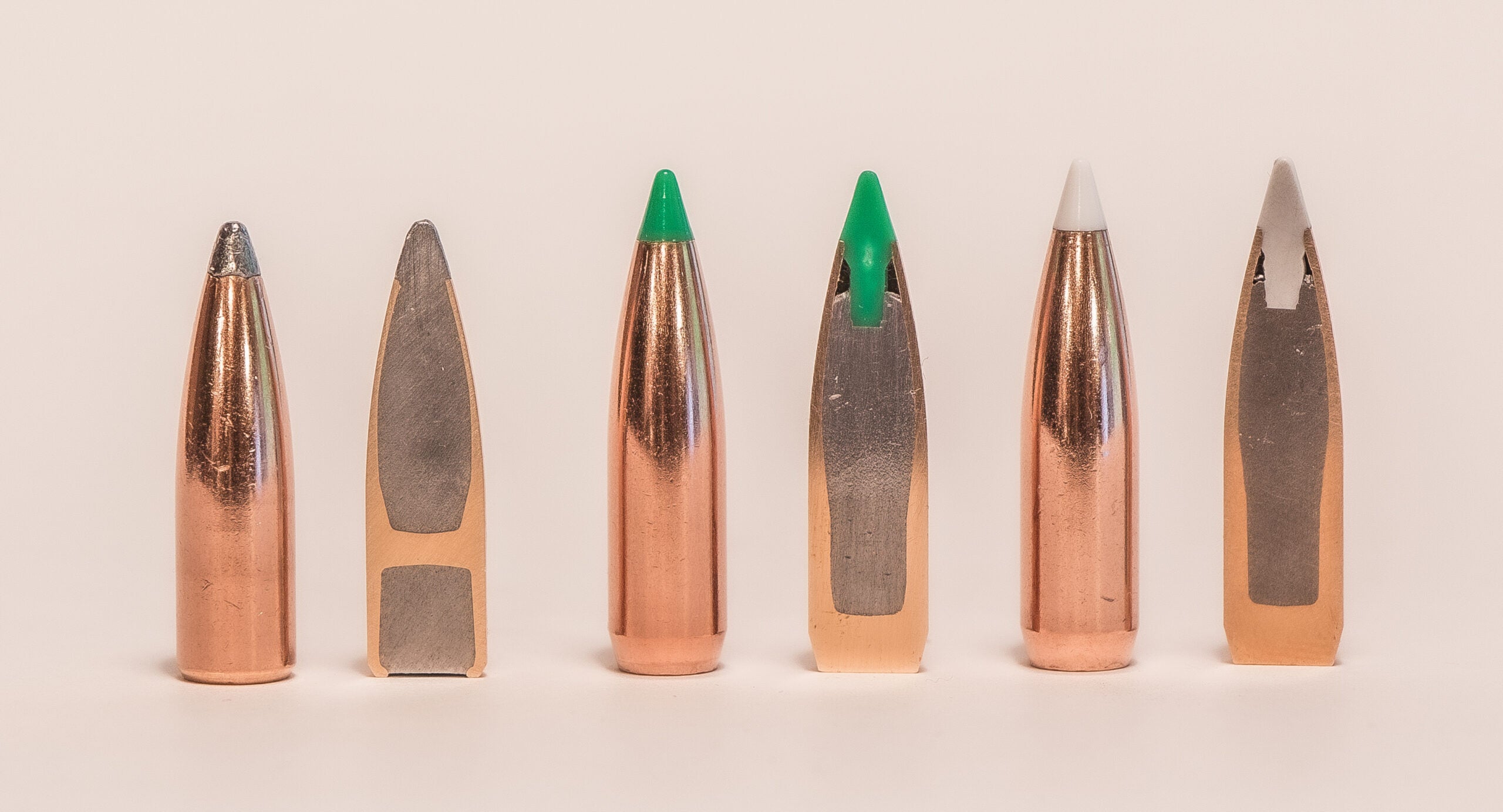
As firearm velocities climbed beyond 2000 fps, manufactures began encasing lead bullets in cooper and copper alloy—gilding metal—jackets, which could withstand the high pressure, hot gases, and still engage the rifling in the gun’s barrel for stabilization. By adjusting the thickness and taper of these jackets, not only could the terminal performance of the projectile be tweaked to perfection, but the shape of it could also be designed to increase aerodynamics. Most of today’s modern bullets are a combination of a lead alloy core and a copper alloy jacket, but the ingenuity did not stop there. To keep the core and jacket together after impact, and to increase tissue damage and penetration, sometimes the core and jacket are bonded together.
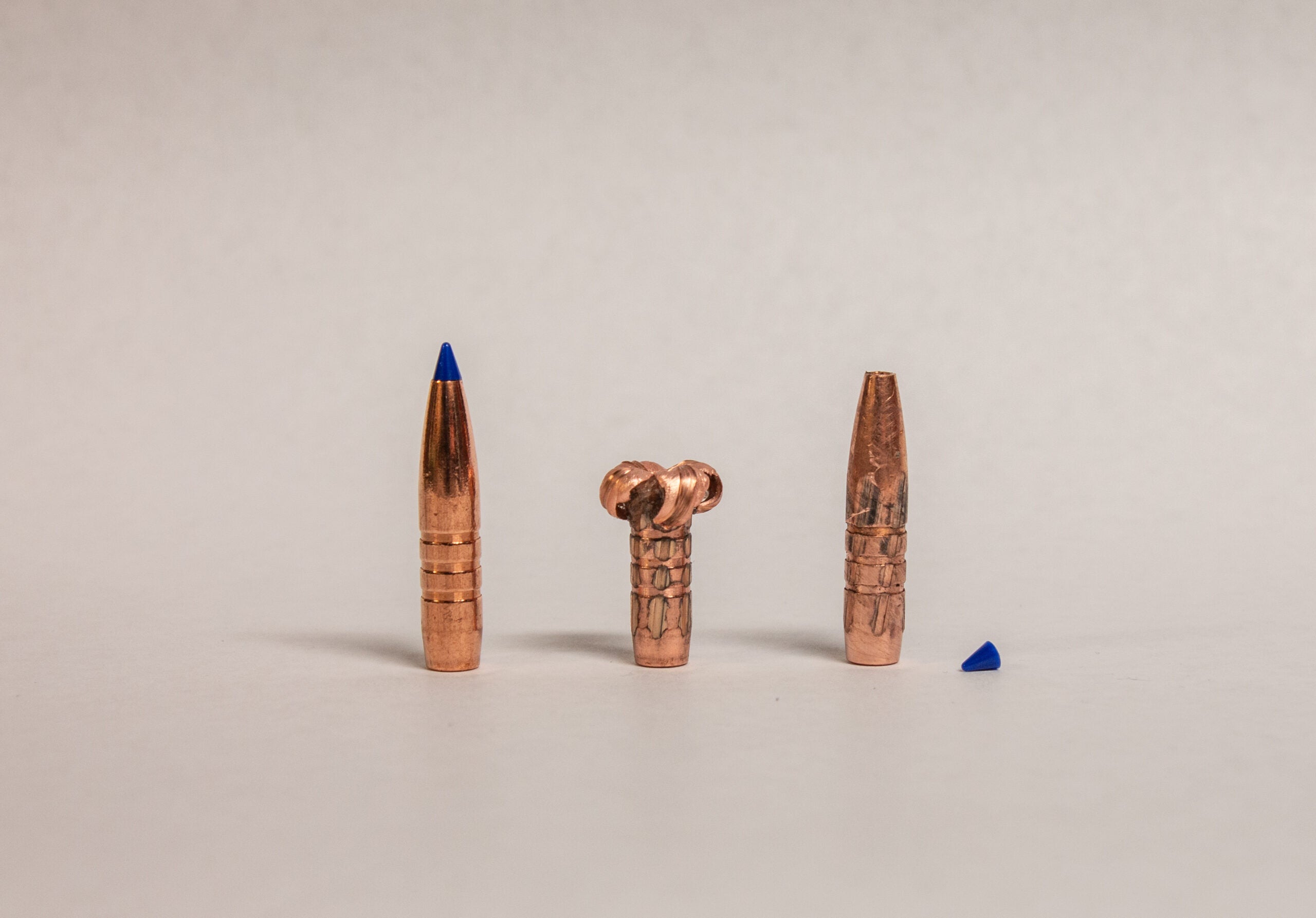
Some bullets are made of all copper, gilding metal, or brass. Some are non-deforming solids for dangerous game or personal protection, but by broaching the nose of these mono-metal projectiles and pre-stressing, a solid cooper or gilding-metal bullet turns into a hollow point that will upset on impact. The advantage that an all-cooper Barnes TSX or copper-alloy Hornady CX offers is that they will retain most of their weight, improve penetration, and they are lead-free. The downside is that due to a lack of material transfer, wounding is slightly reduced.
Plastics
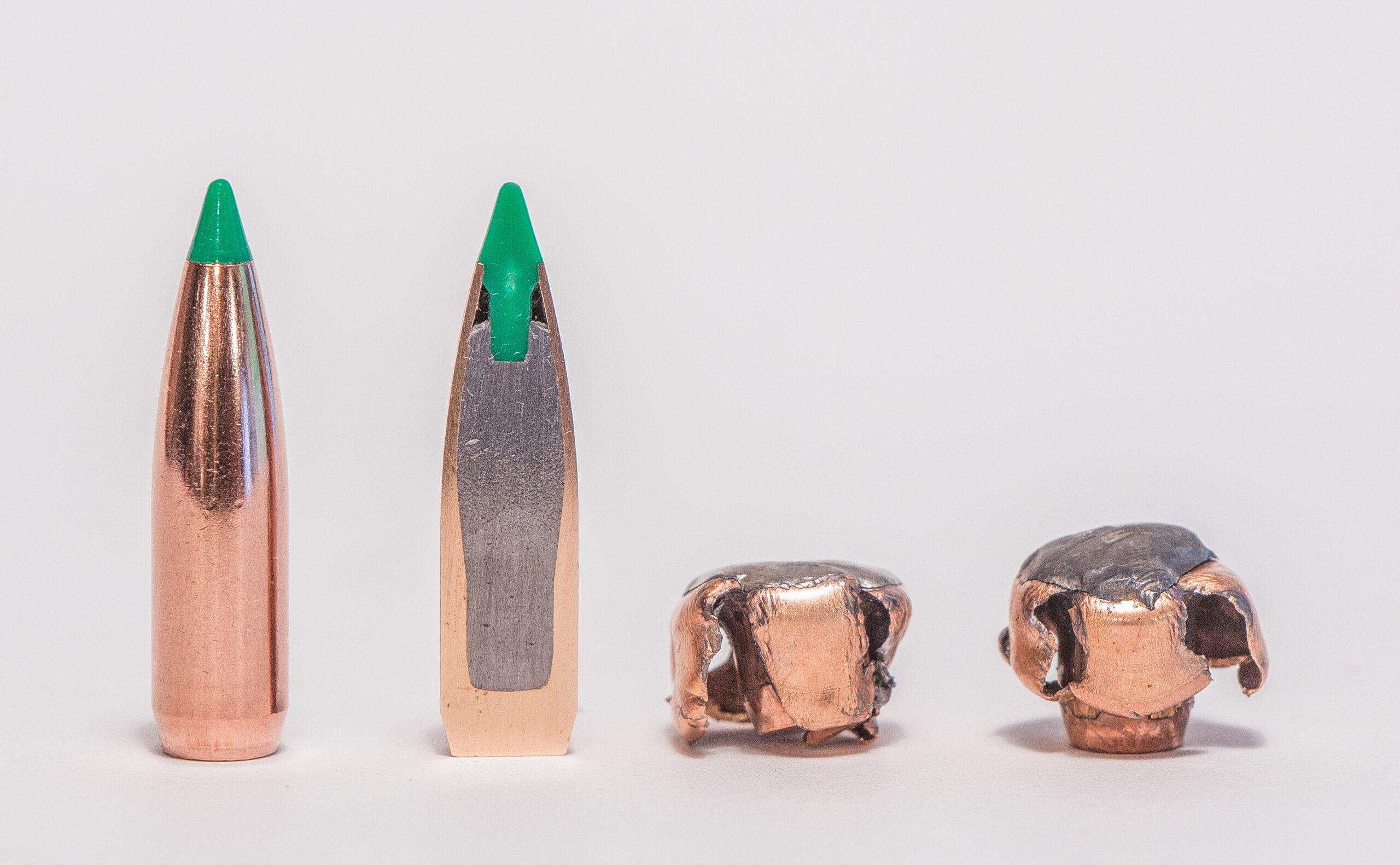
As shooters began to demand flatter-shooting bullets with a higher ballistic coefficient, plastics became a common building material. In 1984, Nosler introduced its Ballistic Tip, which has a lead-alloy core, a gilding metal jacket, and pointed plastic tip at the end. This tip increased the BC of the bullet and protected its tip from damage. Also, because this tip was forced into the core on impact, it could also be configured to help initiate upset. Not too long ago, Hornady took the plastic tip to another level by using a material that was more heat resistant and that would not degrade during flight.
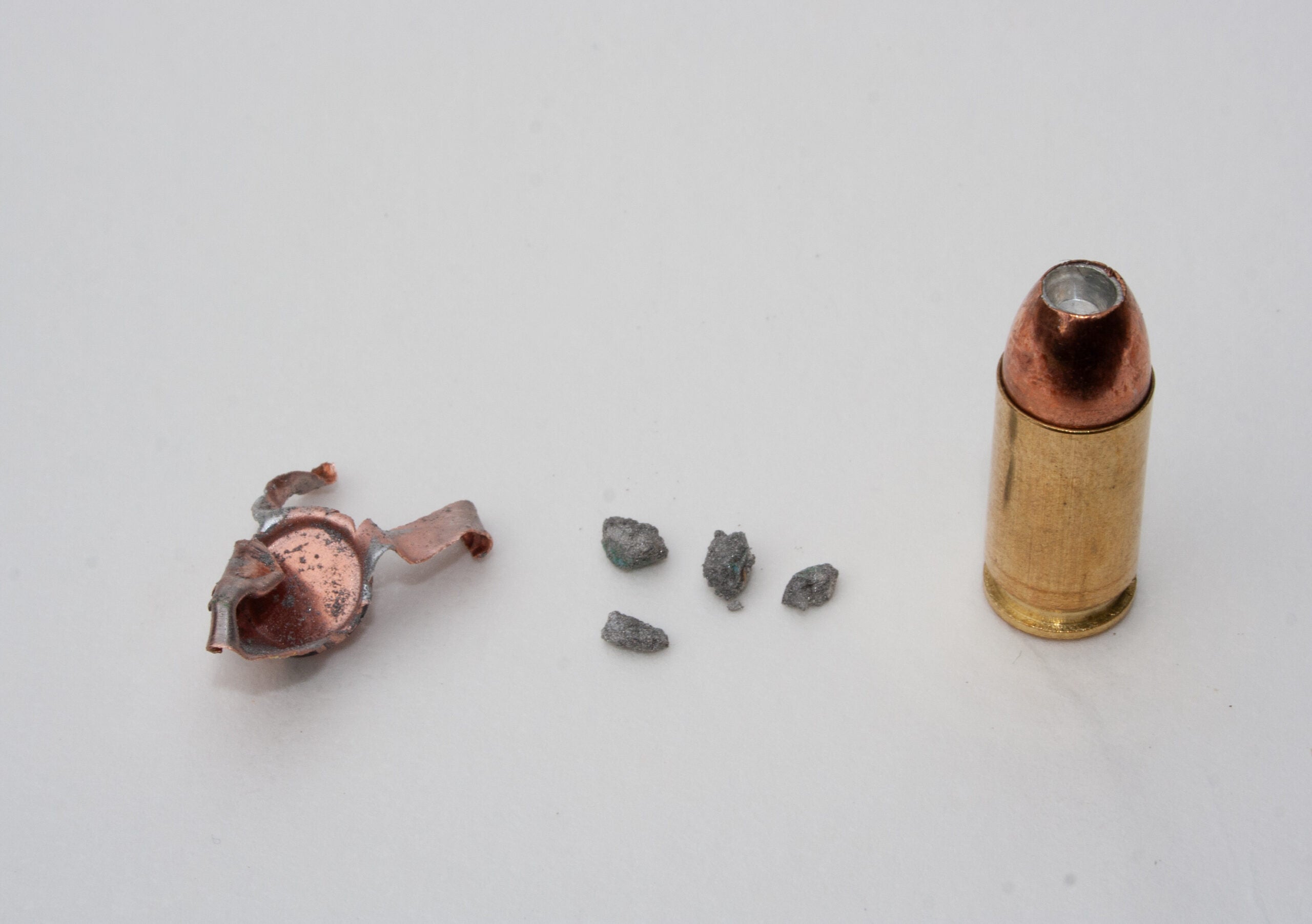
Some jacketed bullets are lead-free and contain compressed, powdered copper and polymer/plastic binders. These projectiles, like those used in Federal’s BallistiClean ammunition, are considered to be frangible, and they’re ideally suited for shooting steel at close range. Others, like those used by DRT are suitable for personal protection or even hunting and can create massive wounding. Some compressed-particle bullets like the ARX do not even have a jacket. Plastics have also been used as sabots to incase a small caliber bullet’s diameter until it leaves a larger caliber barrel.
Other Materials
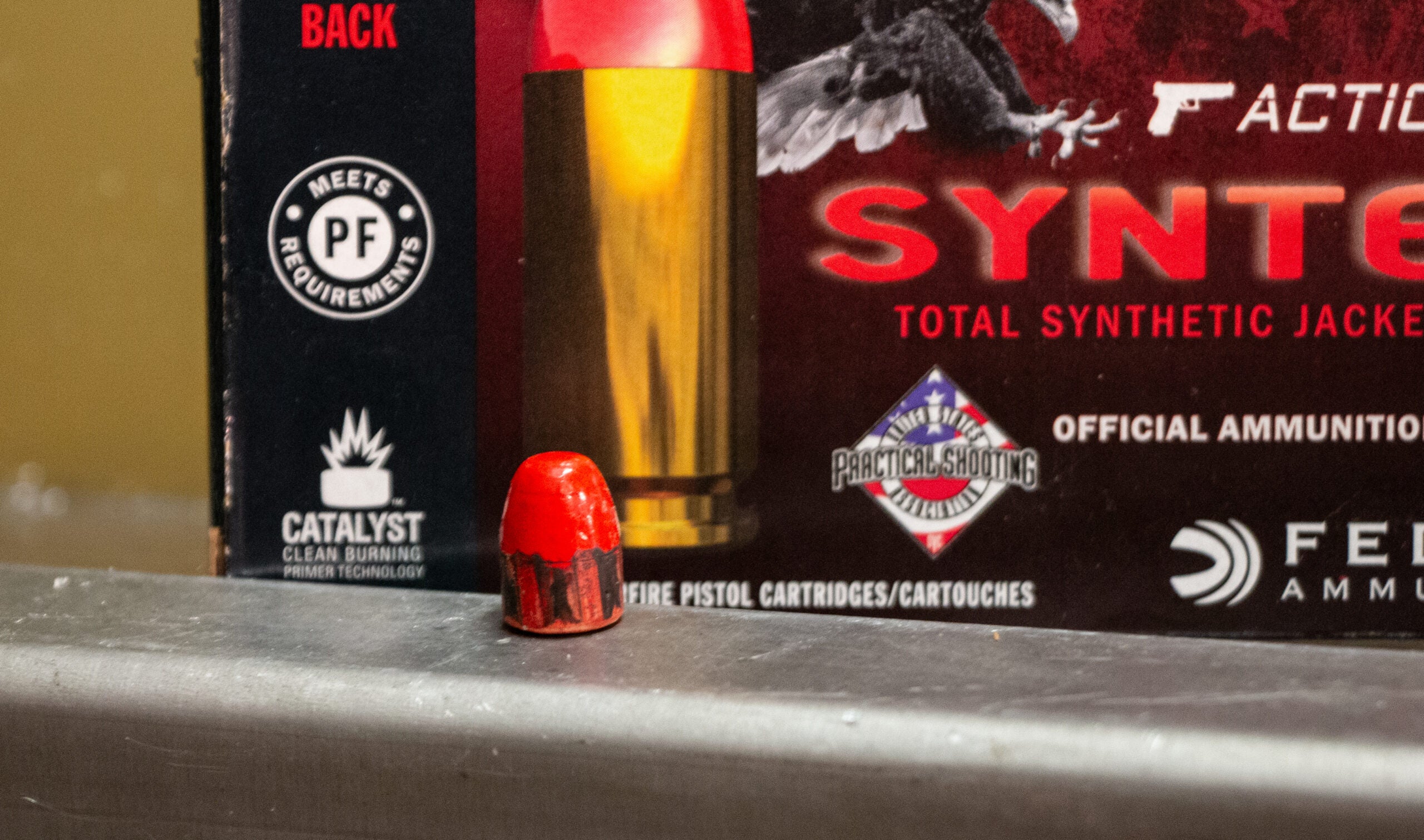
Bullet materials are not just limited to lead and copper and alloys of both with a little bit of plastic thrown in. Various types of steel have been used for cores and jackets for armor piercing and dangerous-game applications. Rubber has been used inside hollow points to help initiate upset. It’s also been used for practice bullets and for less-than-lethal projectiles. Wax bullets are sometimes used for training and most pure-lead or lead-alloy projectiles have grooves with wax in them for lubrication. Nylon is sometimes used to coat jackets or even as a jacket itself to reduce barrel fouling like with Federal Syntech ammunition. All of this might leave you wondering what material bullet makers might turn to next. Only time will tell.
Read the full article here