


We may earn revenue from the products available on this page and participate in affiliate programs. Learn more ›
All black bass are opportunistic feeders. This means they will eat—or at least try to eat—almost anything that moves in the water or on the surface. If a bass is in the mood to feed, it will aggressively hunt down and attack minnows, shad, sunfish, perch, trout, and other bass, as well as crayfish, aquatic insects, terrestrial insects, snakes, lizards, frogs, mice, and even ducklings. A bass will readily try to engulf meals as big or even bigger than itself. But what dictates all of this is the bass’s “mood” to feed? As angler, that’s the question you have to address first, on your way to answering “What do bass eat?”
When Bass Eat and Why
Obliviously, bass have to eat to survive. But because they are cold blooded, there are times when they have to eat aggressively and times when they hardly have to eat anything, and it all boils down to water temperature and metabolism. A bass’s body temperature is regulated by their environment, and thus several of their bodily functions (including metabolism) are also dependent on the temperature of the water they reside in.
In colder water, a bass’s metabolism and other systems slow. In warmer water, they speed up. This means, generally speaking, that bass need more energy in warmer water and less in colder water. So the amount of food that a bass has to ear, and even what it feeds on, is largely dictated by the season.
Bass are also highly sensitive to changes in barometric pressure. So they will often feed less in high pressure situations, and feed more heavily during times of low atmospheric pressure, like on the leading edge of a cold front. So, water temperature and barometric pressure are two of the main factors that determine when and why bass eat, or, as many anglers think of it colloquially, when bass are in the mood to feed. Once you understand that, as an angler, then you can ask yourself, “What do bass eat?”—or more important, “What are bass eating on the day you are fishing?”
What Do Bass Eat Most Often?
Again, bass are opportunistic feeders and will eat nearly anything in their path if the conditions are optimal for them to feed, even other bass in certain situations. Female bass fresh off the bed for instance, will often turn on their young hatchlings (known as fry) and eat them. The male bass, often referred to as “fry guarders” during this time period, will actually attempt to get between the small school of fry to run the hungry mother off.

This cannibalistic behavior seems a bit barbaric, but it speaks to the very nature of how opportunistic bass really are when it comes to feeding . If a meal is in front of them, and they’re hungry, look out. This means that whatever forage is predominant in a fishery is likely the thing bass in that area feed on the most. Here is a short list of their favorites, and how to imitate them:
Baitfish
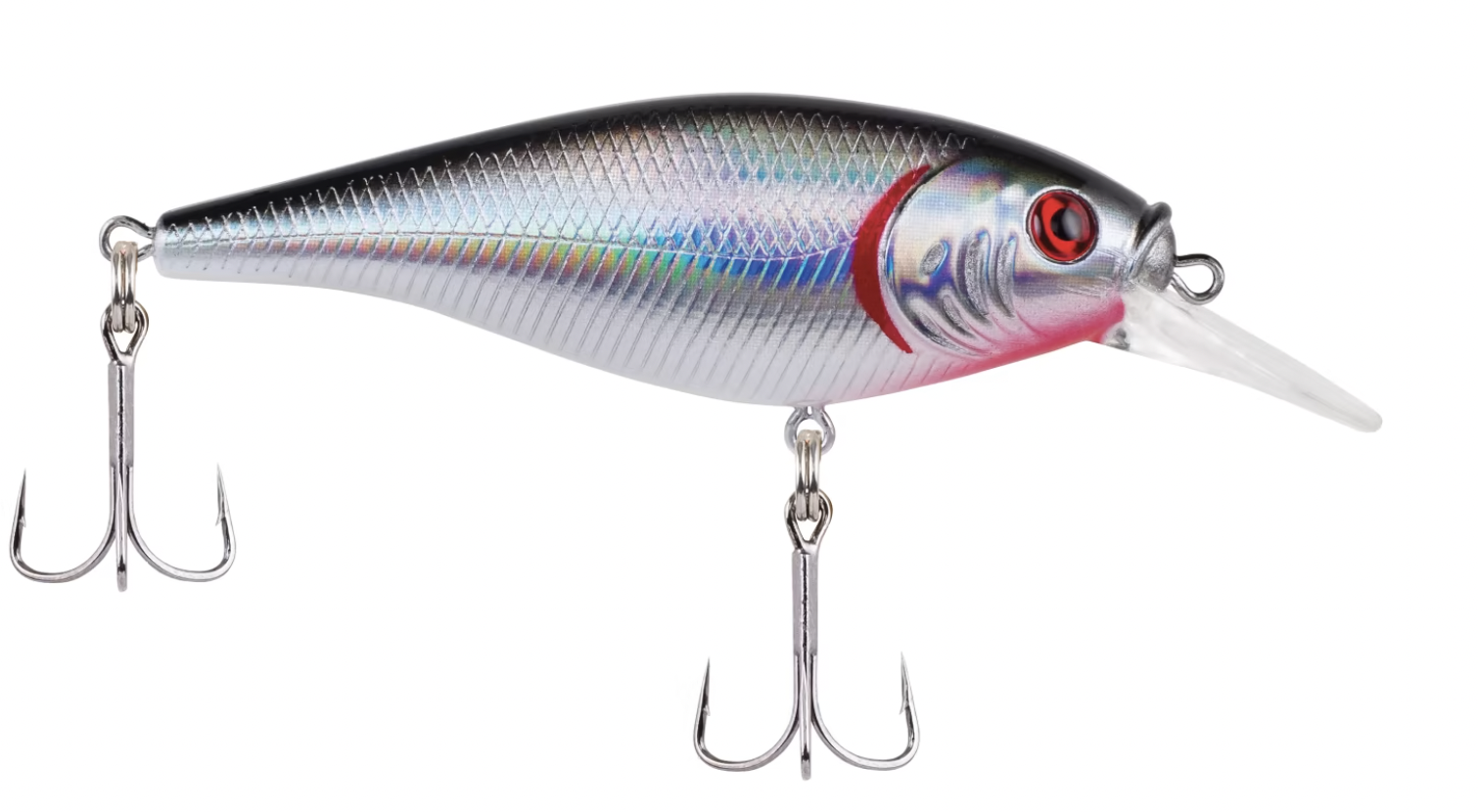
These included various minnows, shad, herring, smelt, gobies, shiners, and others, some being more common in different parts of the country. You can imitate them with live bait, crankbaits, jerkbaits, and various soft-plastic lures.
Sunfish and Crappies
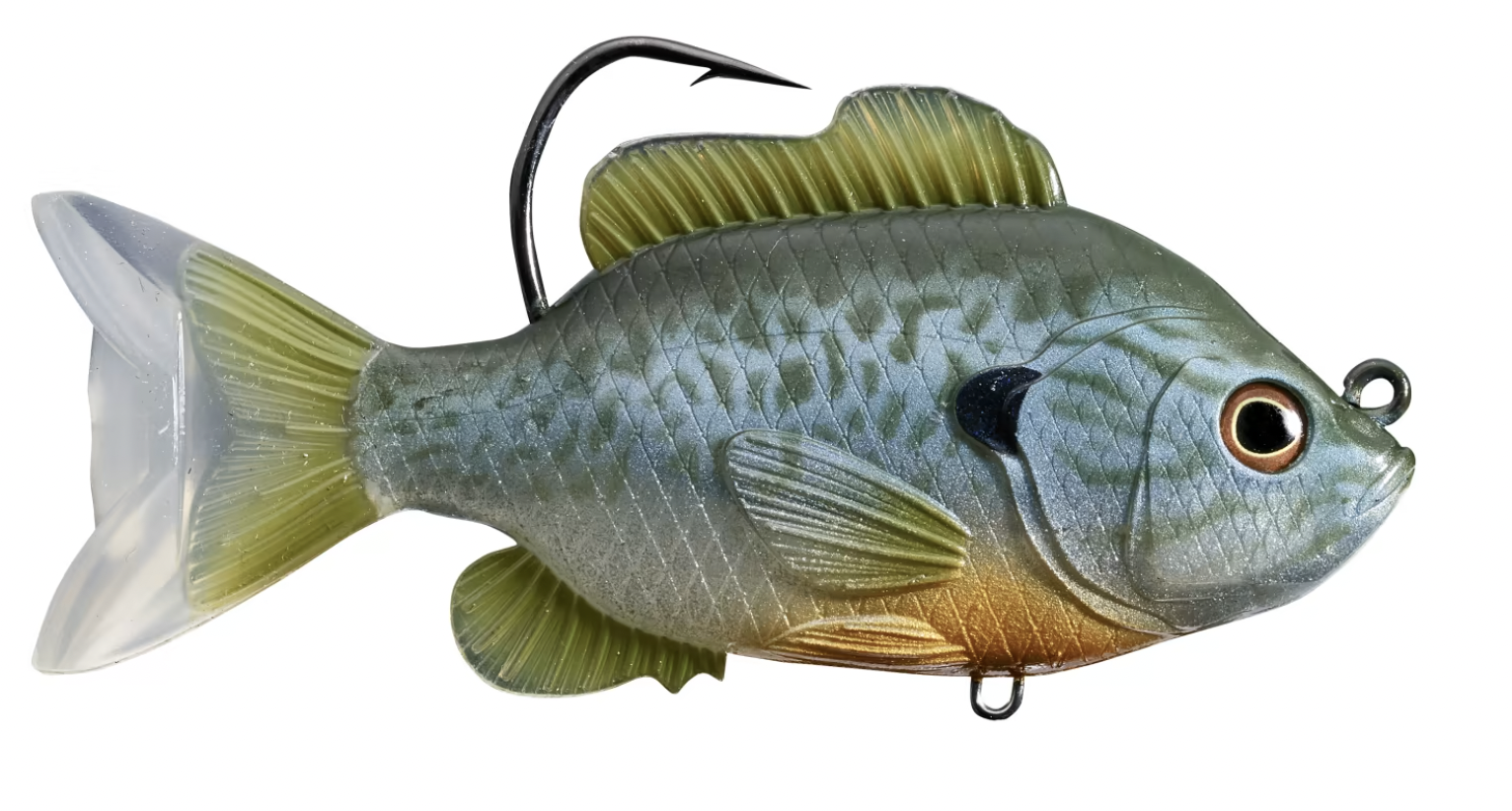
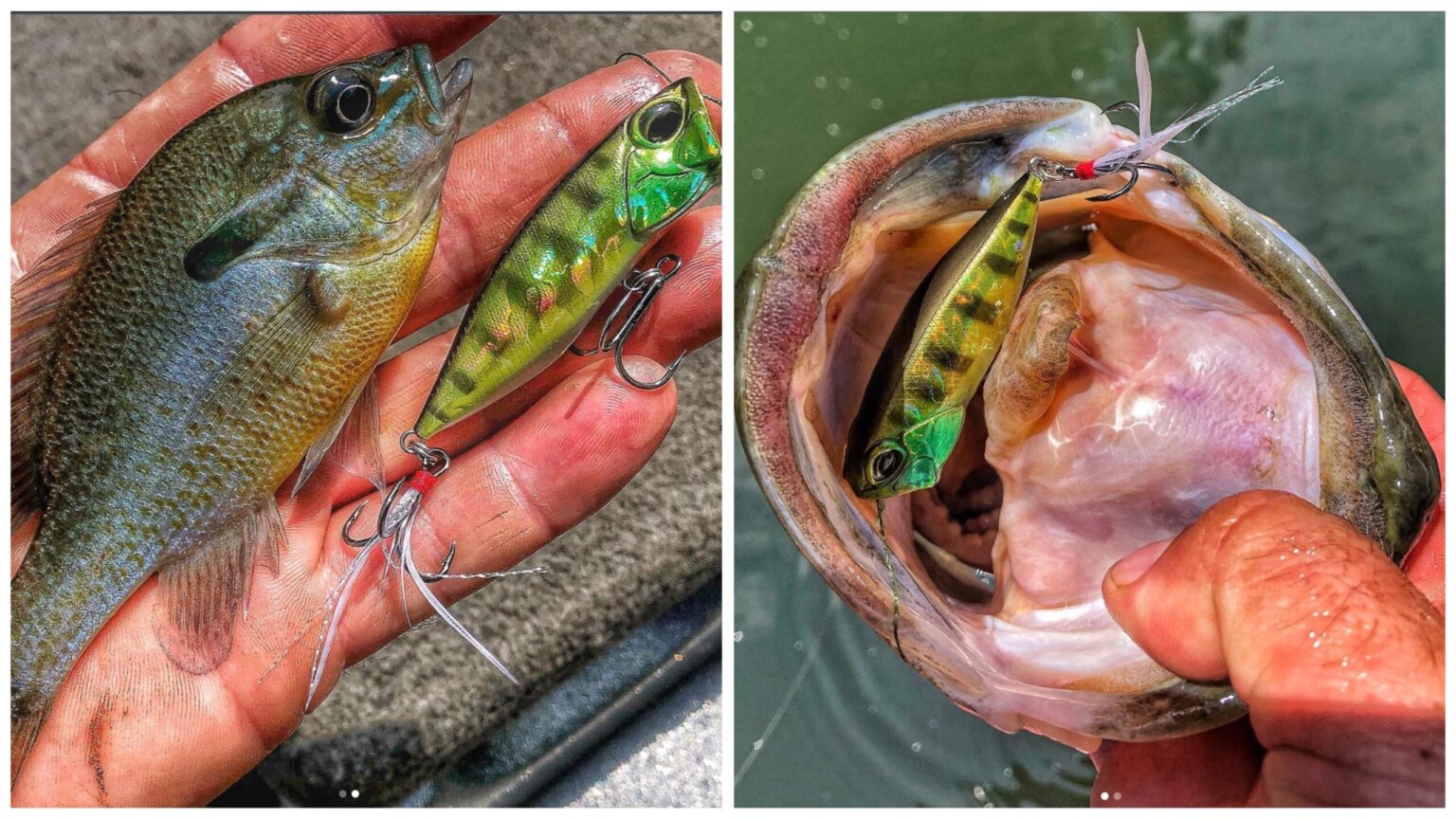
Although small bass with readily attack a bluegill or crappie when feeding aggressively, these forage species are justifiably associated with trophy bass. A live bream makes a great big-bass bait (where legal; check red), but there are also many artificial bait, including crankbaits, swimbaits, and spinnerbaits, designed to imitate them.
Crayfish
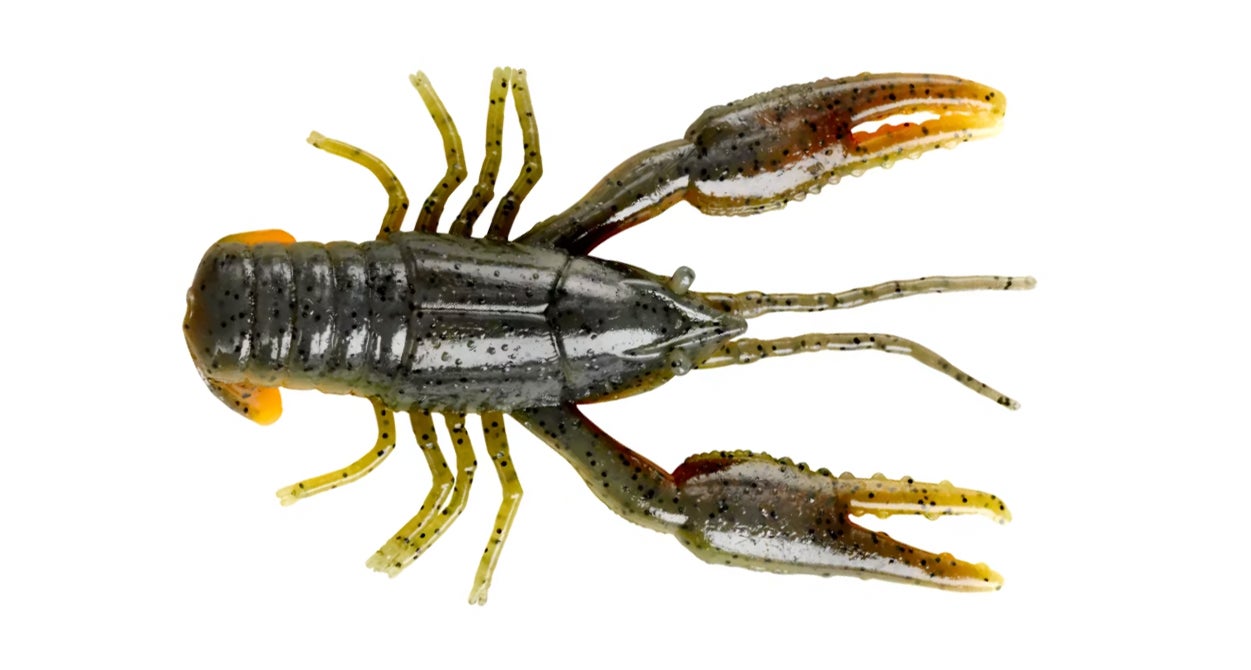
Bass will eat crayfish year-round, but this forage species is especially vulnerable in the spring, when they are breeding. A live crayfish can be a deadly bait, but, here too, there are plenty of great artificial options, especially crankbaits and creature baits.
Frogs

Most bass anglers are well aware that bass will smash a frog if it gets the chance—and that frog fishing provides some of the most fun topwater action of the year. Here again, live bait can certainly work, but there are so many great hollow-body and soft-plastic frog imitators on the market, there’s almost no reason to rig a live one.
What Bass Eat Varies Regionally
If you are a serious bass angler, you need to know what forage species exist in your neck of the woods specifically. As noted above, bluegills and threadfin shad are more commonly eaten by bass across southern fisheries, while goby, perch, and smelt are the more typical fare in the North. Though there are a few types of forage that are more likely to be found along the coasts, like crab and other saltwater species of small prey found in brackish water, the variance of prey that bass feed on typically changes more more drastically moving from south to north than from east to west.
This is because the temperatures and other conditions suitable for the survival of these baitfish and other food sources vary more north to south. Thus a bass in south Florida will chase down a golden shiner, and a smallmouth in one of the Great Lakes will gorge on goby, simply because one of these fish can thrive in one environment, while the other is more suited for the other.
But more to the point, you need to be able to answers “What do bass eat?” not just regionally but for the specific body of what you’re fishing. If your lake has a rocky bottom that’s crawling with crayfish, or is covered in lily pads and swarming with frog and dragonflies, you’ll probably want to imitate that forage with your lure choice and presentation.
How to Choose Baits Based on What Bass Eat
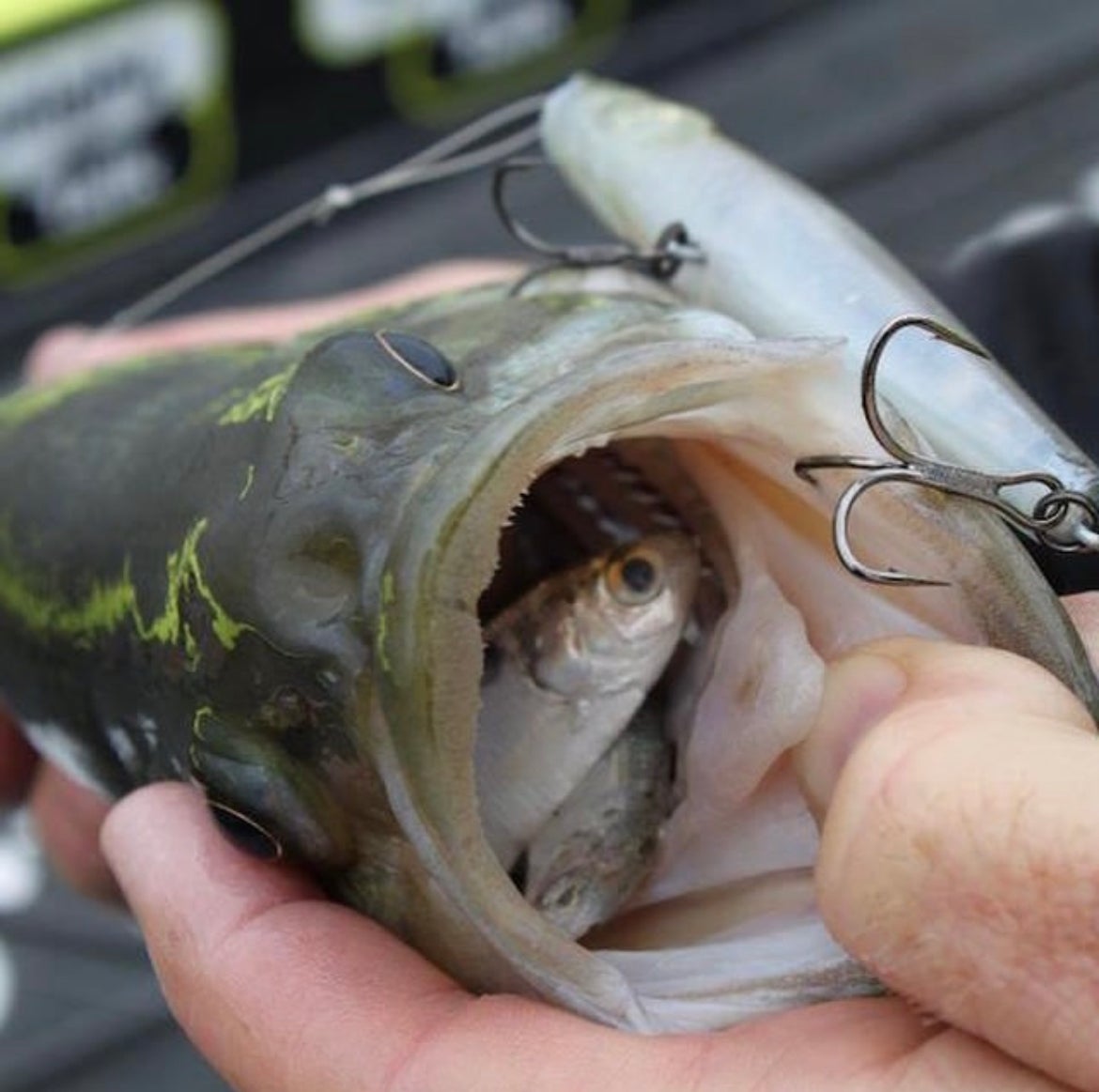
The best thing to do when trying to determine what to fish with on a given fishery or lake, is to do a little research. With a quick internet search, you can find that a lake is full of threadfin shad for instance, and then choose a jerkbait, lipless crankbait, or spinnerbait to try to imitate the prey the bass are keying on, or match the hatch.
Be cognizant though, that this can be dependent on the time of year as well. You may find that on a fishery full of blueback herring, you can use topwater baits to target bass relating to the herring in the summer. But in the winter, the bass may actually feed more on shallow crayfish as the nomadic herring move offshore. This kind of shift can even happen depending on the section of a large fishery on the same given day, with bass down the lake feeding on spawning bluegill and bass way up a creek feeding primarily on shad and crawfish.
In the end, the main thing to always keep in mind is that bass are opportunistic feeders that will try to eat anything in their paths, if they’re in the mood to feed. This mood is typically dependent on either short term or long term weather patterns. This will dictate the level of aggression of the fish, but whatever prey is present will dictate what they eat.
On a fishery full of shad, use shad imitating baits. If you’re in an area where bluegill are prevalent, make a selection based on that knowledge. If goby are the primary food source, you get the idea, so on and so on. The key is to not overcomplicate things. Pick out the bait that best imitates the prey the bass are most used to seeing. Most of the time, this will be the best approach.
Read the full article here