

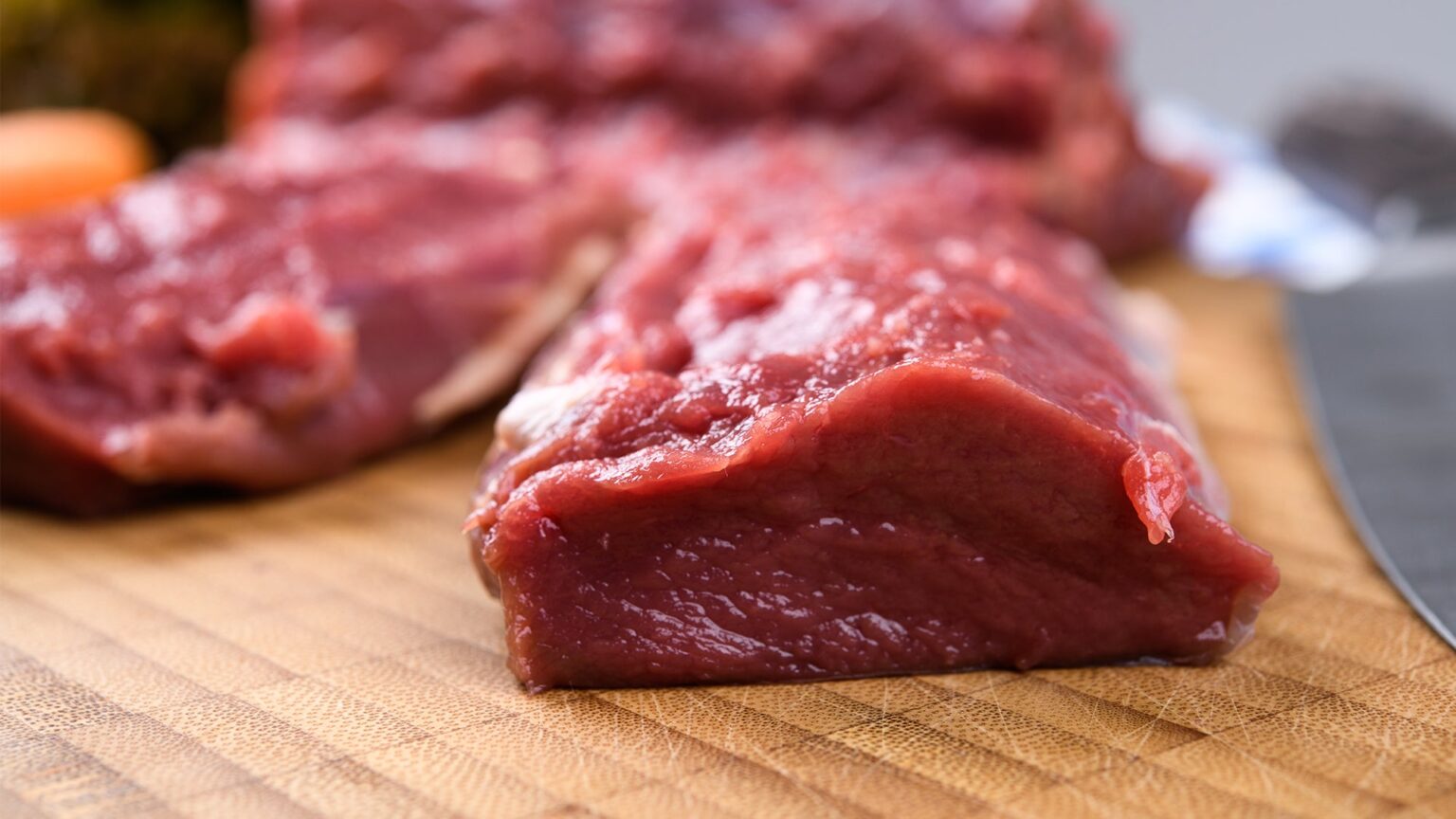

Whitetail deer meat? Yup, that’s venison. Ek meat? That’s venison, too. Moose meat? Still venison. What about squirrel meat? Well, actually, sort of. If you’re a hunter, and especially a big-game hunter, it might be easier to ask what isn’t rather than what is venison? For a long time, in fact, the word venison was used to describe any meat that came from a game animal. Today, it’s used to describe meat from animals in the deer family—whether that’s a whitetail deer or an elk, and whether it a was shot in the woods or raised on a farm.
Where Did the Word “Venison” Come From?
The word “venison” was first coined in the 14th century. Back then, people were less picky about what they called their food. The word is derived from the Latin venari, which means to hunt. According to Merriam-Webster’s Dictionary, it’s “the edible flesh of a game animal and especially a deer.” For most hunters today, it just means deer meat.
You might just think about whitetails when you think of venison, but there are a lot of deer out there. Worldwide, 43 species make up the family Cervidae, from the biggest Alaska moose to the smallest South American pudu, and they’re all loaded with venison.
Wild vs. Farm-Raised
If you’re a hunter—and you probably are if you’re reading F&S—you know where your venison comes from. And it isn’t the grocery store. Most venison consumed in the U.S. is from hunted game like whitetail deer, mule deer, caribou, moose, and elk. It’s usually eaten by hunters and their family and friends. In fact, Americans eat the most wild venison in the world. consuming 315 million pounds a year.
America is one of the only places that allows hunting where it is illegal to sell meat from wild game. It wasn’t always like this. Before the early 1900s, game meat was butchered and sold in markets around the country. There was an industry of market hunting similar to commercial fishing today—except it was way less regulated. Eventually, venison became scarce along with meat from ducks, turkeys, bears, and other game. Hunters and conservationists lobbied for regulations, and market hunting was stopped.
Any venison you get in a restaurant or grocery store in the United States today has likely come from a deer farm, either in the U.S. or from overseas. Even though it isn’t taken while hunting or from the wild, it’s still called the same thing. New Zealand, for example, is a huge venison exporter, and they even have their own trademarked variety called Cervena. In other countries like England, Scotland, parts of Canada, and Germany, hunters and gamekeepers can sell deer and other game meat to the public. And if you eat venison in one of these places, it likely came from a hunter.
Why is Venison Though of as “Gamey”?
Any meat’s flavor comes from what the animal is eating. It can also come from improper field care and cooking. The gamey taste associated with deer meat is usually more pronounced in animals that have a wild diet versus those that eat mainly alfalfa, corn, and soybeans. When it comes to field care, it’s best to get any edible meat away from the guts and keep venison between 32 And 40 degrees F shortly after killing and dressing the animal. Some say that aging venison helps with flavor, too. But you need to monitor humidity and temperature to do this safely.
Gamey flavor also comes from silverskin and fat. Deer fat tends to be thick and waxy with a strong flavor that coats your mouth, so it’s important to trim it away especially before grinding.
For good cuts of venison like backstrap and steaks, you’ll get the best results by cooking it medium-rare and letting it rest a few minutes before cutting into it. Cook venison too much, and it will have a dry, chalky texture. Some cooks like to use marinades and sauces to help tenderize and flavor the meat. These can work well, but cooking the meat medium-rare and adding little salt and pepper goes a long way.
For ground venison, some like to add fat like beef tallow. ( It’s best to avoid adding pork fat or bacon to ground venison unless you plan on making sausage or cooking the meat all the way through.) This will make an exceptional burger that has a lot more flavor than a beef burger. But you’ll also negate some of the health benefits associated with venison.
Read Next: Want to Make The Perfect Smoked Backstrap? Use Frozen Meat
Is Venison Good For You?
Hell yes it is. Both store-bought and wild deer meat is lean compared to other red meat. Deer of all kinds live mostly on wild browse and grasses, making venison nutrient-rich with iron, zinc, vitamins K, and B-12. It’s also high in protein with 9 grams per ounce. That’s 2 grams more than beef with only one-fifth of the fat per serving. Because of this fat-to-nutrition ration, game meat is a healtheir alternative to meat from more traditional farm animals. And this is still true for farm-raised venison.
Hunting for your own venison is good for you, too. According to Michigan State University, hunting is a natural antidepressant. It lowers your blood pressure, reduces stress, and exposes you to more Vitamin D via the sun. So stop reading this story and go get some venison.
Read the full article here