



Where do deer sleep? Well, as every deer hunter who’s ever jumped a bedded buck knows, they don’t do a lot of sleeping. When deer lay down to take their rest, they may dose a little here and there, but their main job is to sit still and look for trouble. Still, a whole of people google “where do deer sleep?” and whether that’s you and you’re new to hunting or you’re a hardcore hunter looking to nail down specific buck beds for the coming fall, the answer is pretty much the same. There are specific places where deer tend to bed down for the day, and knowing these top bedding areas is a huge advantage when you want to fill a deer tag. So, let’s get right to them.
Top 7 Whitetail Buck Bedding Areas
Locating the exact bedding area of a specific buck or group of does requires some boots-on-the-ground scouting. But when it comes to looking in the right general places, we can save you a whole lot of time and trouble with the list below. Some years ago, we took a poll of F&S’s most dedicated deer-hunting readers, asking them to give their picks for the very best whitetail buck bedding areas. Here are their top seven spots, in order, with a short explanation of each:
- Tall Grass: Whitetail bucks love to bed down in CRP, goldenrod, and marsh or prairie grasses where they can see just above or through the grass.
- Conifers: Dense, low-growing pine thickets or cedar groves make perfect big-buck lairs.
- Hillside Bench: Any flat spot on a slope is a comfortable place for a buck to rest and watch for danger.
- Blowdowns: Bucks love to back themselves up against thick cover, and a blowdown is ideal for this.
- Hedgerow: A thick fence row, tree line, or hedgerow hides a buck well with a good view to both sides
- River or Creek Bank: A high brushy bank gives bucks a view and security cover along a natural travel corridor.
- Ridge End: In hill country, bucks love to bed just down from the point of a ridge or spur, which offers a great view below and plenty of escapes routes.
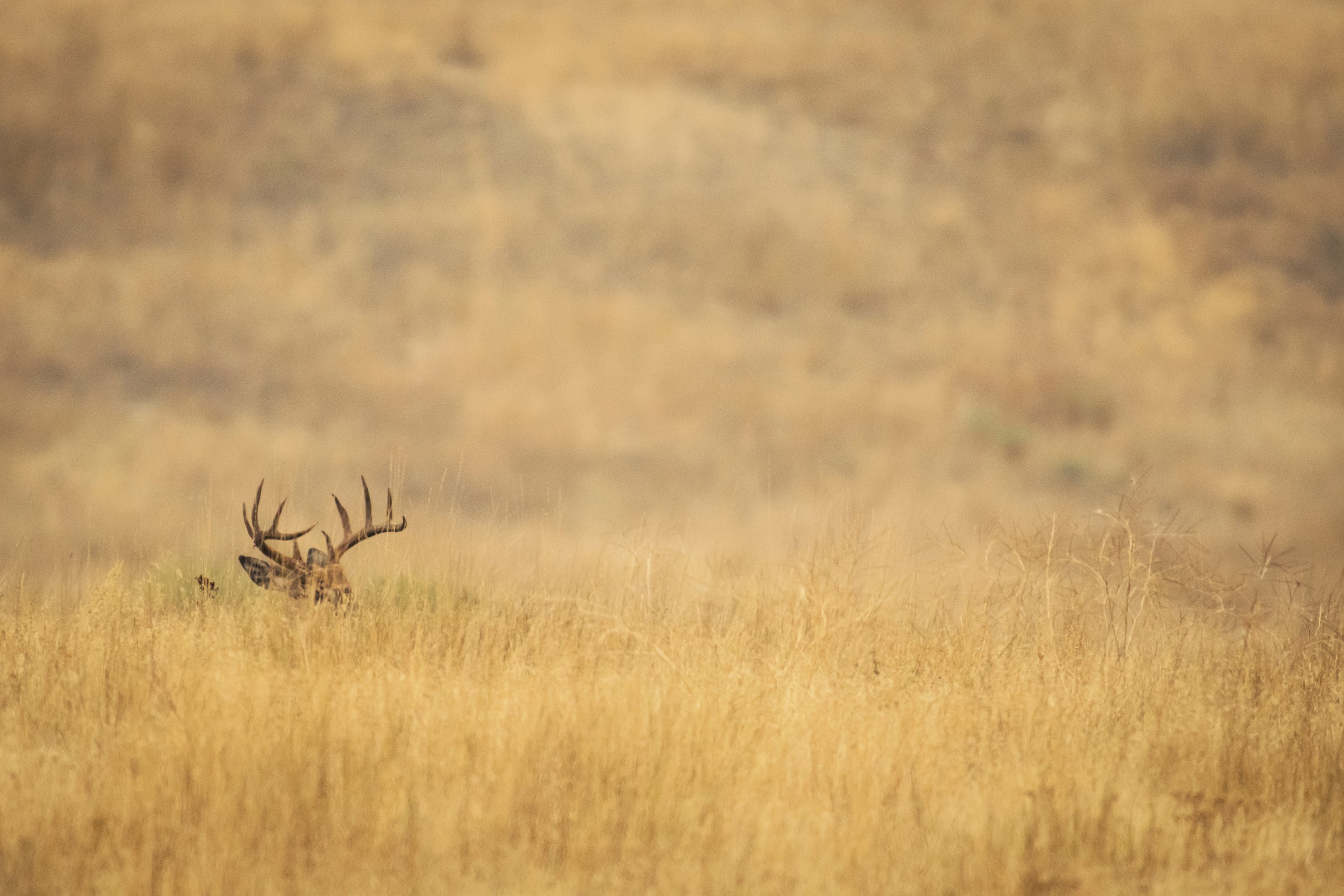
What about whitetail does? It’s a good question because when the rut rolls around, one of the best places to intercept a buck is near a doe bedding area. So, it pays to nail thesee down too. Compared to bucks, whitetail does tend to bed closer to major food sources, often within a few hundred yards, in head high grassy or brushy cover either on the lower half of a hillside or in flat or rolling terrain. Bucks tend to bed higher, farther from the food, in the really nasty stuff.
The Top 6 Mule Deer Buck Bedding Areas
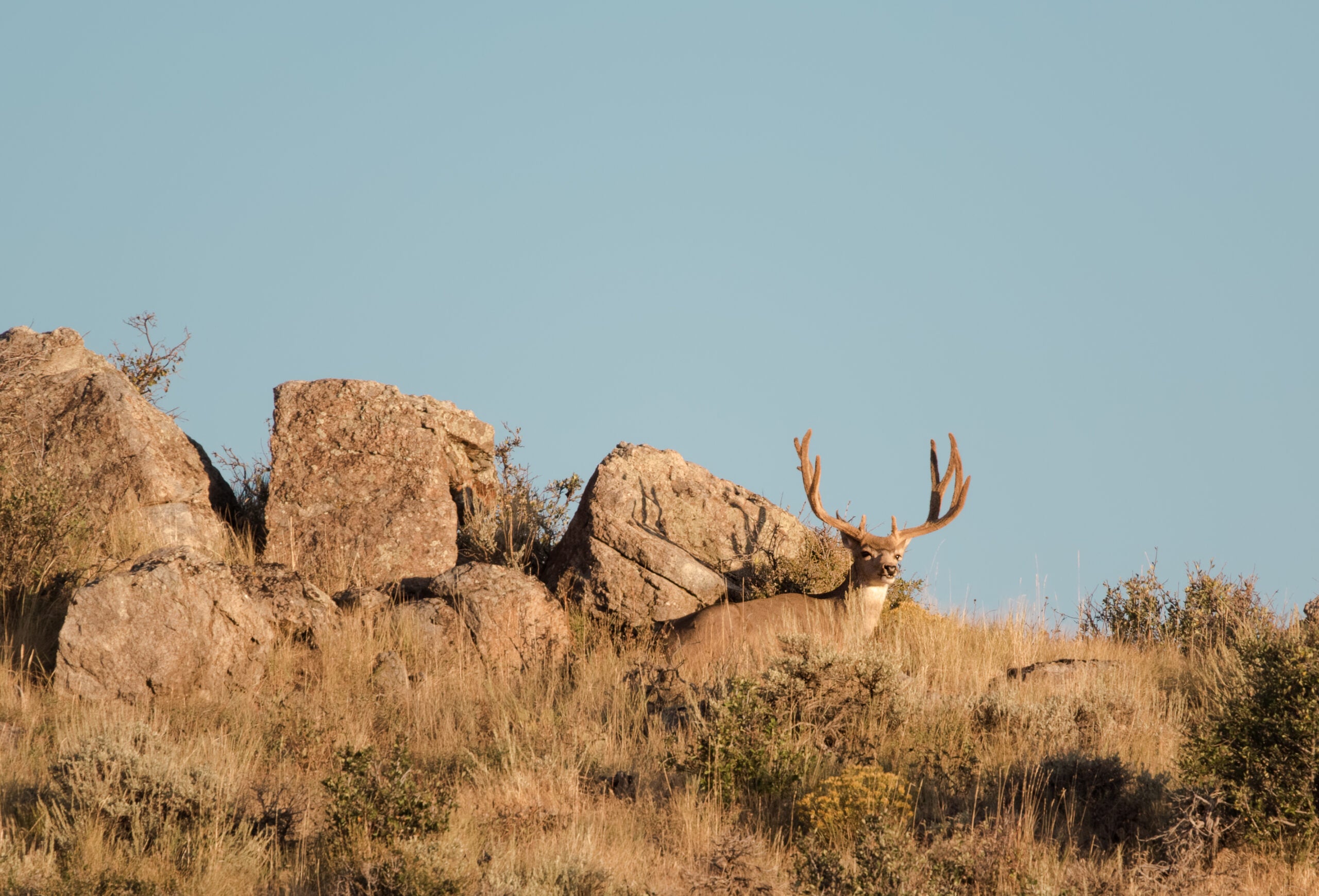
For the top mule deer bedding areas, I asked well-known Western bowhunting writer and F&S’s resident mule deer guru Jace Bauserman to list his top spots. Here they are, in no particular order.
- Rock Escarpments: Mountain muleys love to bed below rock escarpments and even rocky cliffs. Rocks provide a bit of protection and create shade.
- Hillside Trees or Brush: Mule deer love to bed about two-thirds the way up mountain slopes directly in front of vegetation like bitter brush, snow brush, skunk brush sumac, and Rocky Mountain juniper.
- Sparse Pines: Sprinkled pine pockets in mountain basins are bedding hotspots. The dirt is soft, and the shade is plentiful.
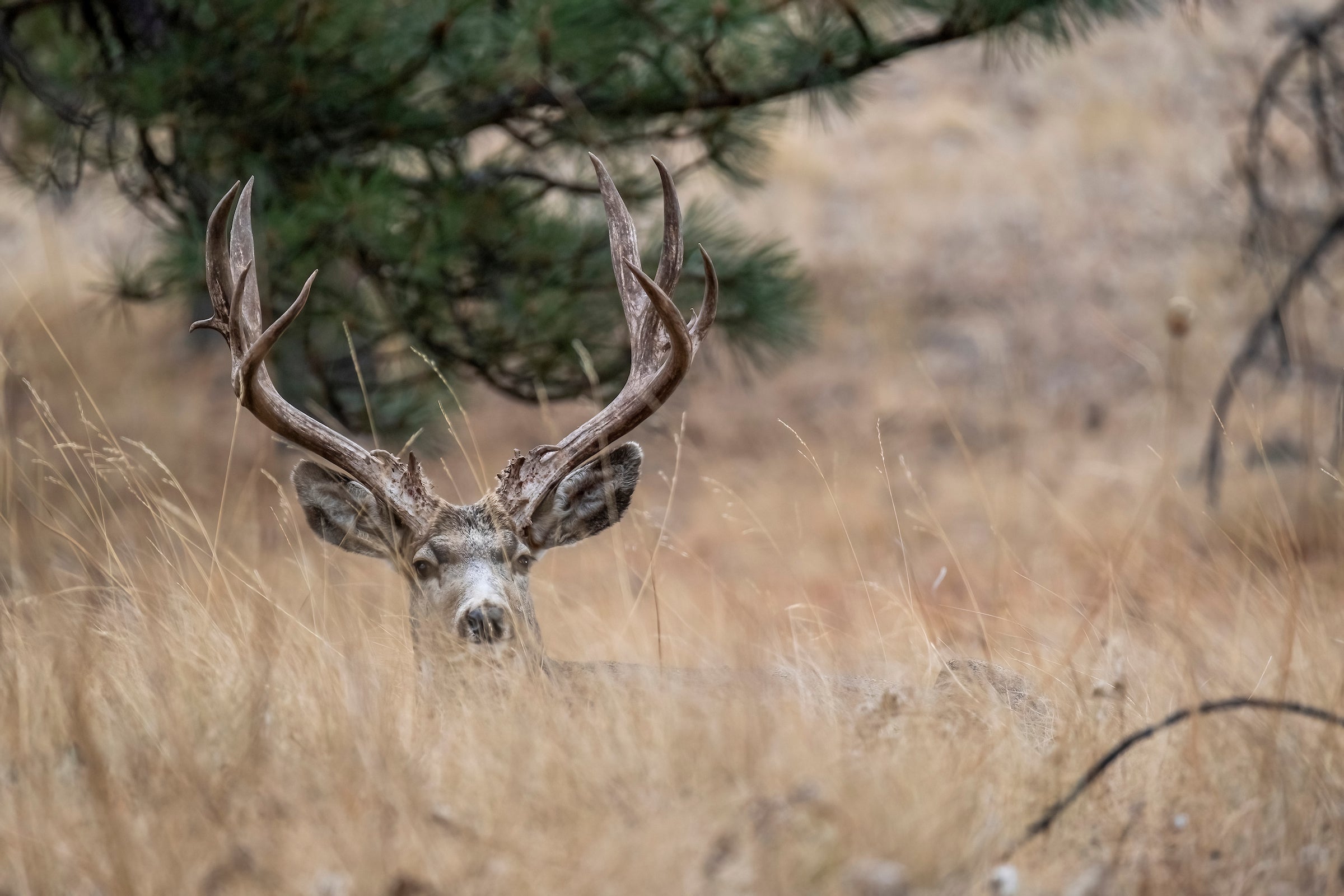
- Dry Coulee: Plains mule deer frequent dry coulees in the middle of open landscapes and will bed where they can see a great distance. However, like mountain deer, plains bucks tend to bed below the rim or ridge of any coulee, plateau, or hill.
- Tamarack & Plumb Thickets: The West has many open landscapes, and mule deer bucks love to plop down in a maze of tamarack and plumb thickets. Both can be thick and nasty or sparse and gentle.
- Tall Grass and Sagebrush: Prairie bucks love small grassy or sagebrush-dotted flats below big ridge systems or along creek systems.
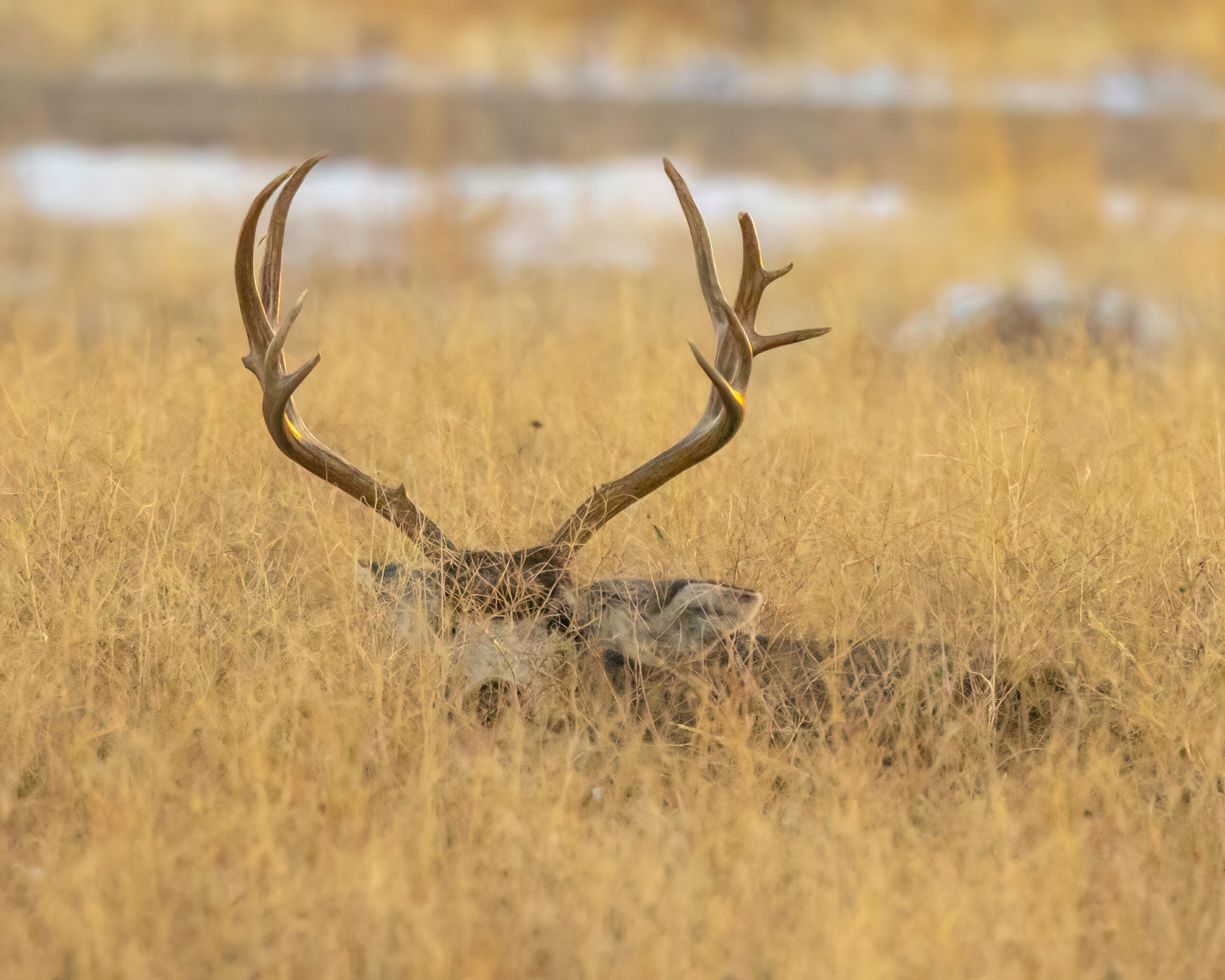
Mule deer does won’t be with the boys during the early season when bucks are in velvet and bowhunters roam the alpine. While mule deer does can frequent any of the areas mentioned above, they often prefer the edges of freshly logged locales where the cover is solid and food is abundant. Does also tend to bed in heavy pine thickets and flat spots below ridge lines.
Where Do Deer Sleep? Anatomy of a Buck Bed
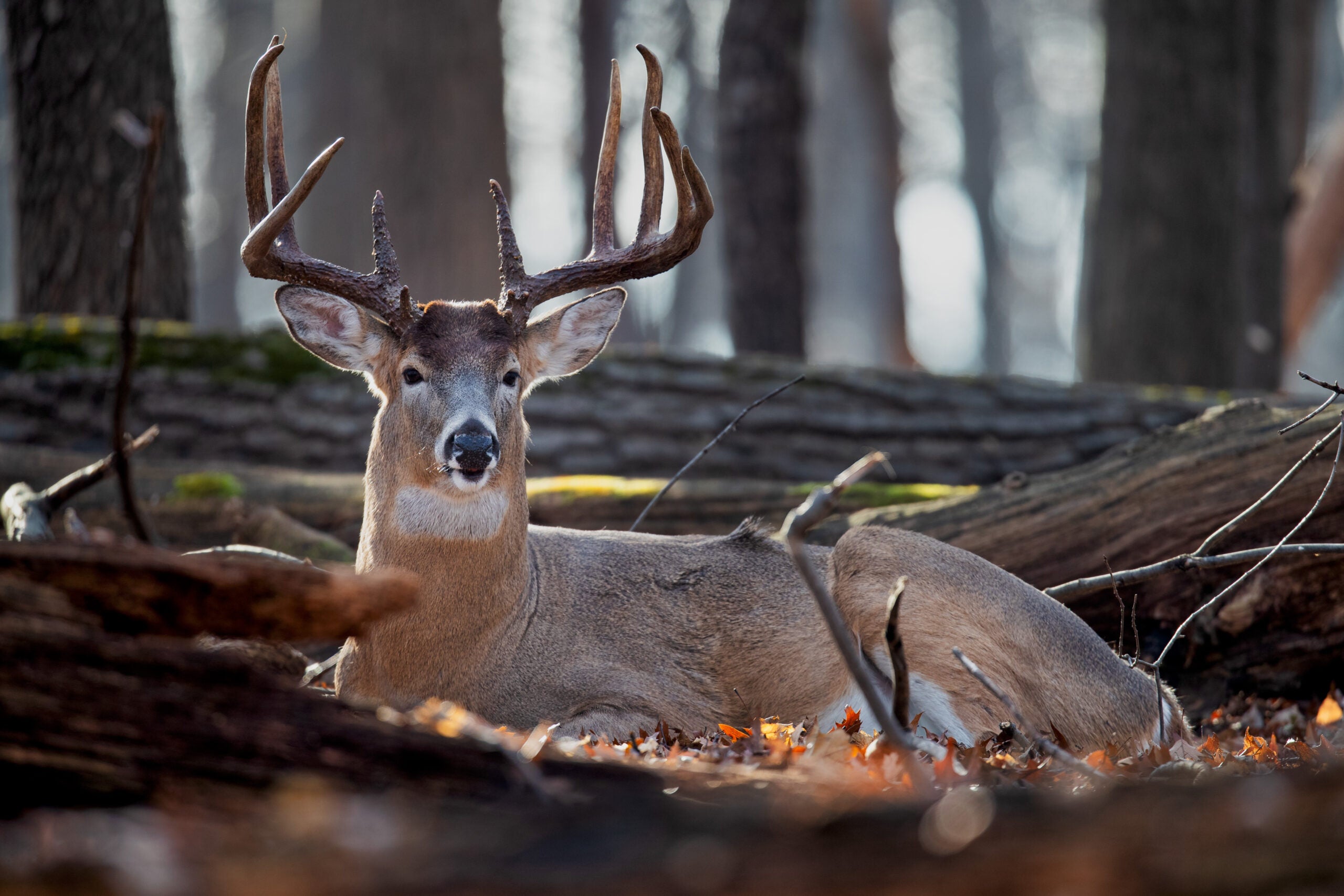
Exactly where a muley or whitetail buck decides to lay down for the day depends somewhat on comfort—they’ll usually pick a dry spot that’s reasonably level—but their main concern is survival. They want a bed that puts as many factors as possible in their favor, and knowing them will help you recognize a buck bed when you see one. Here’s what to look for:
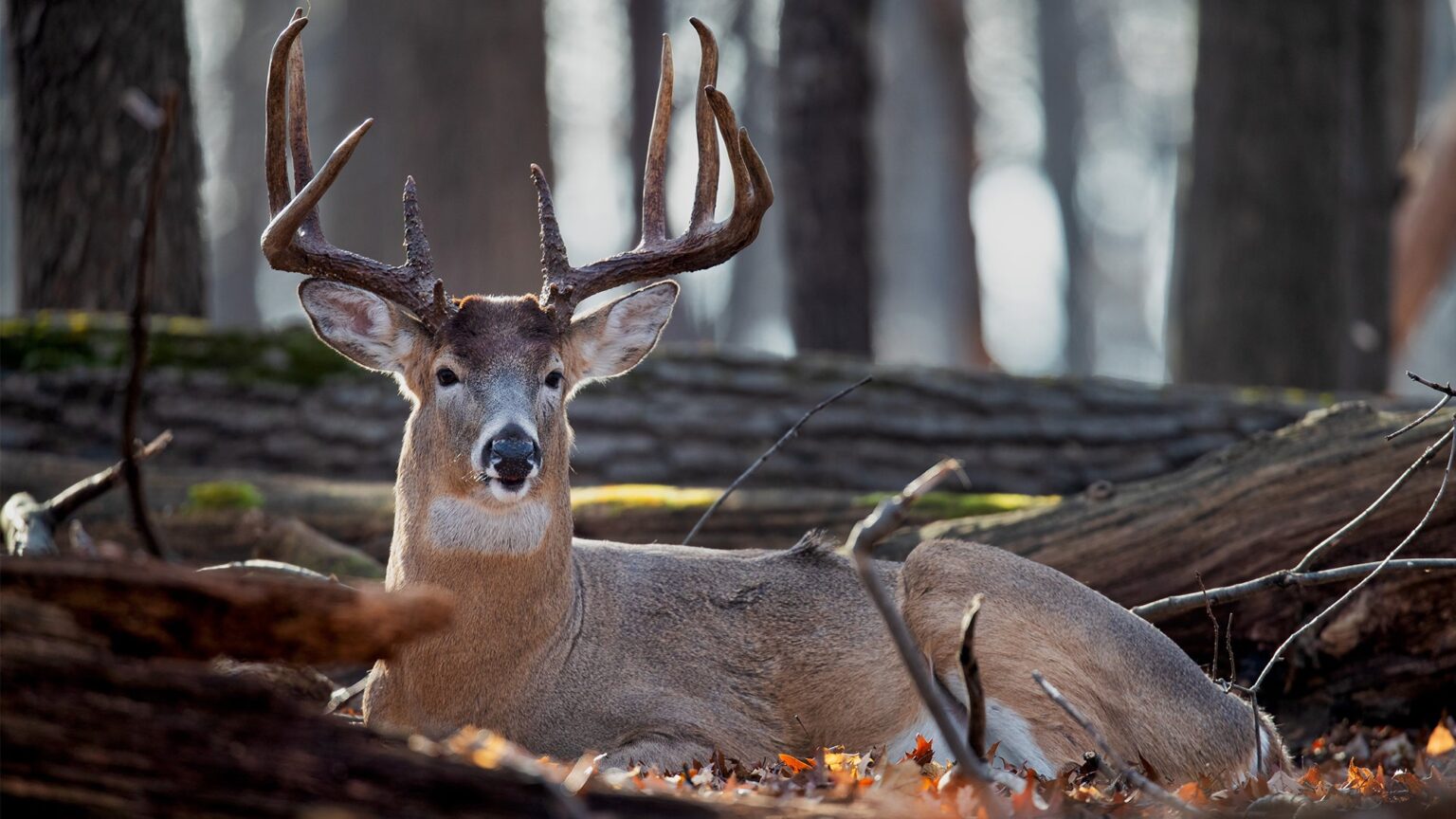
- Cover Behind: In the photo above, it’s a maze of blowdowns, but it could just as easily be a large rock, trees or brush, or simply the contour of a hillside.
- Or Surrounding Cover: Just as good is tall grass or thick brush all around.
- A Good View Out Front: The whitetail in the photo above is bedded just down from a ridge top and has an open view to detect danger approaching from below. In flat country, a view just above or through a screen of grass or brush works well too.
- Wind at Their Backs: Deer typically use their eyes to detect danger in front of them, and count on the wind or thermals to warn them of danger from behind.
- A Good Escape Route: Savvy bucks always give themselves an out—or three. A buck bedded on the end of a ridge, fore example, can bomb straight downhill, off to one side or another, or bolt up the hill, depending of where danger is coming from.
How to Sex Deer Beds
When you’re scouting and find individual deer beds, which show up as oval depressions where a deer has laid down, your first question is apt to be, Is this a buck bed or doe bed? The surrounding terrain and cover should give you a good idea, but there are a couple of easy ways to be more certain.
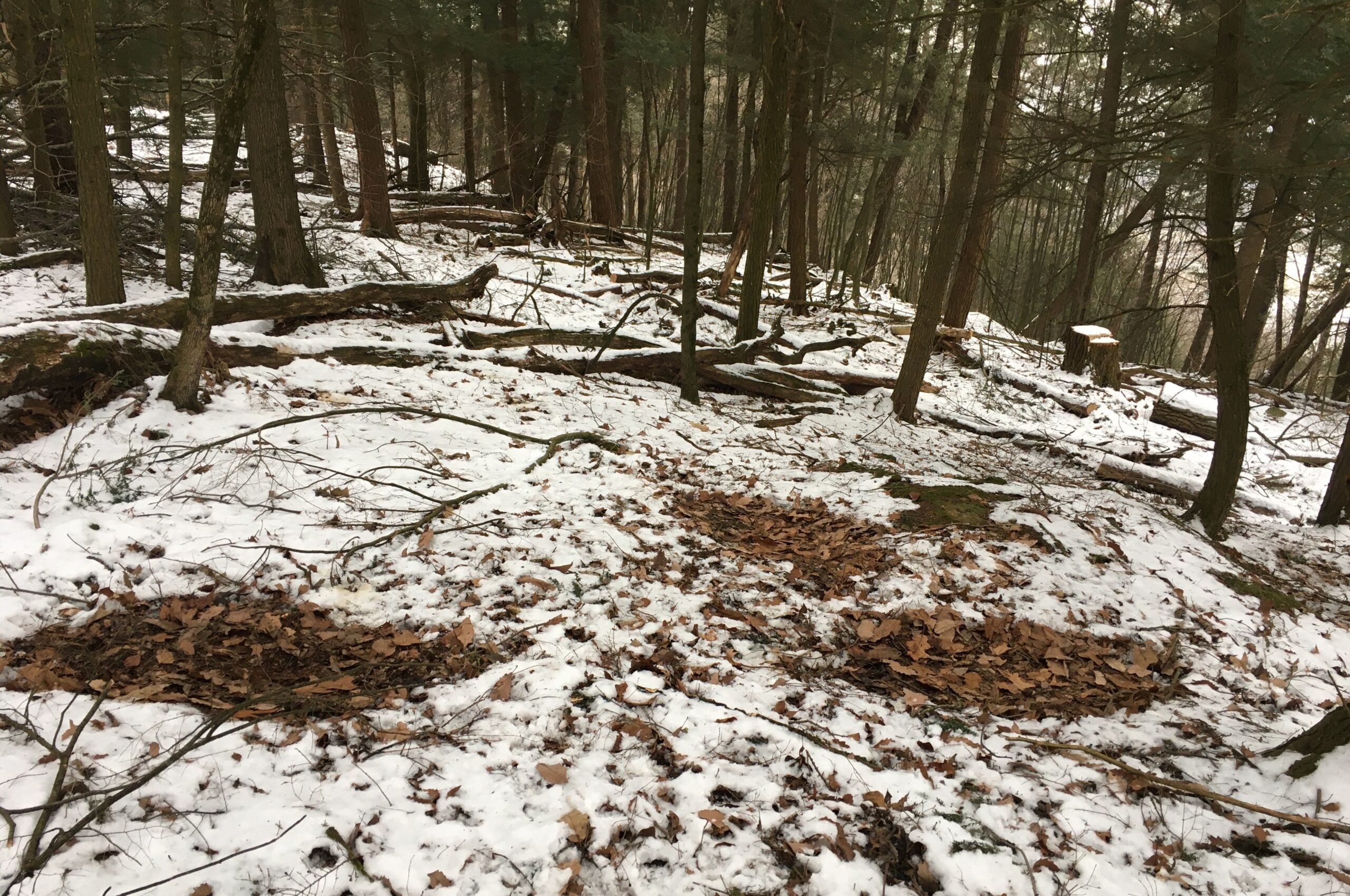
First, does routinely bed in family groups, including yearlings and fawns. So, when you find two or three beds of varying sizes close together, you can bet that you’re looking at the beds of a doe and her family group. A mix of midsize and small droppings and tracks nearby seals the deal. Bucks, on the other hand, are much more likely to bed alone and often pepper the area with rubs and large droppings.
Second, when sexing beds gets tough, such as in the late summer when bachelor groups of bucks lie down together, you can tell the difference by toting a small tape measure. Buck beds usually go more than 30 inches long, whereas doe beds typically measure less.
How to Keep Tabs on Where Deer Sleep
Deer hunting articles are always advising you to “avoid the bedding area” or “set up 150 yards from the bedding area,” as if these places were roped off and all the trees inside were decorated with Christmas lights? Of course, the truth is that nailing down the exact location of buck and doe bedding areas is a lot more complicated than that. But you can do it, and it’s totally worth it. Here’s how:
Step 1: Scout for Winter Deer Beds
As soon as the season closes, spend a few days walking your entire property, scouting for deer beds. If you live in the northern half of the country, wait for snow, which will make beds that much easier to find. Mark every bed you find on a digital map or mapping app.
Step 2: Scout for Fall Deer Beds in Spring
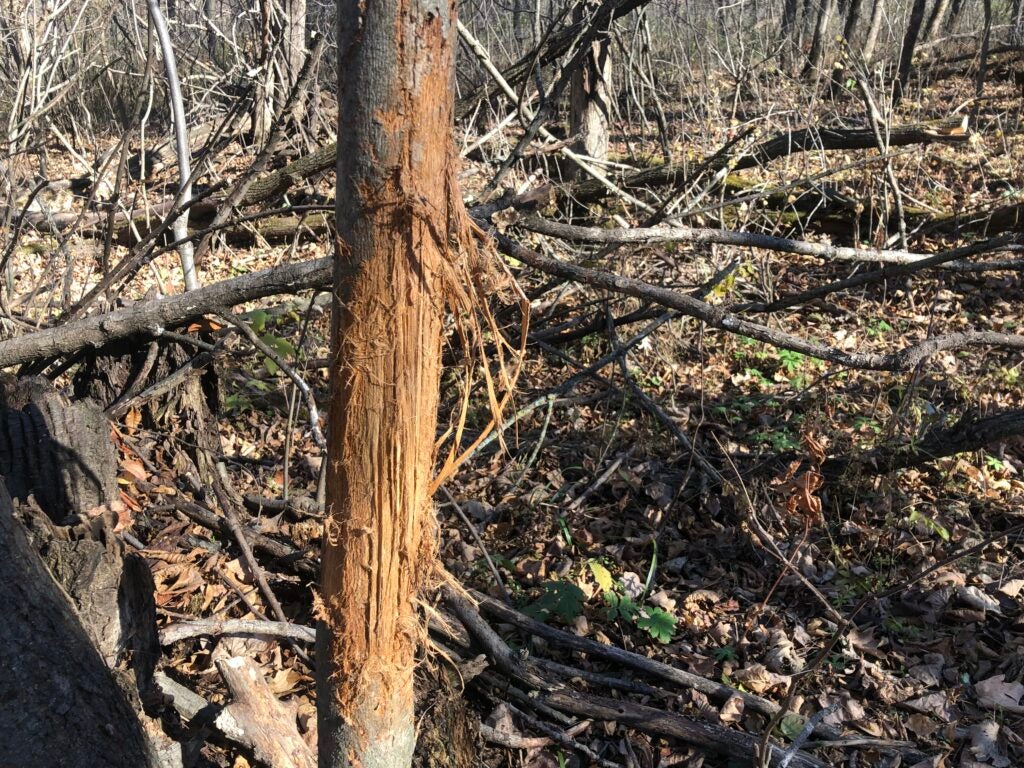
When snow melts and the woods thaw in spring, virtually all deer sign that was made during the previous fall is laid bare and preserved. It’s the perfect time to learn where deer sleep on your properties. Go out again and scout for beds, especially buck beds, which will likely have rubs and scrapes nearby. Mark them down.
Step 3: Don’t Forget In-Season Beds
Actively scouting for beds during the season risks bumping the deer you’re trying to hunt. So, save that for the off-season when deer will have months to forget about your intrusion. That said, if you do stumble on an active bed during the season, be sure to mark that down too.
Step 4: Keep Track of Where Deer Sleep for Better Hunt Plans
If you follow steps 1 through 3, you eventually have an inventory of top bedding areas on your property, all marked down on a map. Both bucks and does will shift bedding areas through the seasons and when food sources change, but usually it’s from one preferred bedding area to another. So now, whenever you spot deer hammering a fresh-cut corn field or working a certain oak flat, you can look mapped out inventory, and have a great idea of where a buck is bedding nearby—and can then make a plan to intercept him.
Read the full article here