





We may earn revenue from the products available on this page and participate in affiliate programs. Learn more ›
When it comes to the 223 vs 556, it’s not so much about which one is best, but about the differences between them. The 223 Remington and 5.56 NATO cartridges have identical case dimensions but are not completely interchangeable. They’re somewhat like identical twins who are visually indistinguishable but as different as any other two human beings. Sorting it all out is complicated because case dimensions are not the only thing that determines interchangeability. The question of 223 vs 556 all comes down to load pressure and how a rifle’s chamber is cut into each barrel. So, let’s see if we can untangle some of this confusion.
The 223 Remington
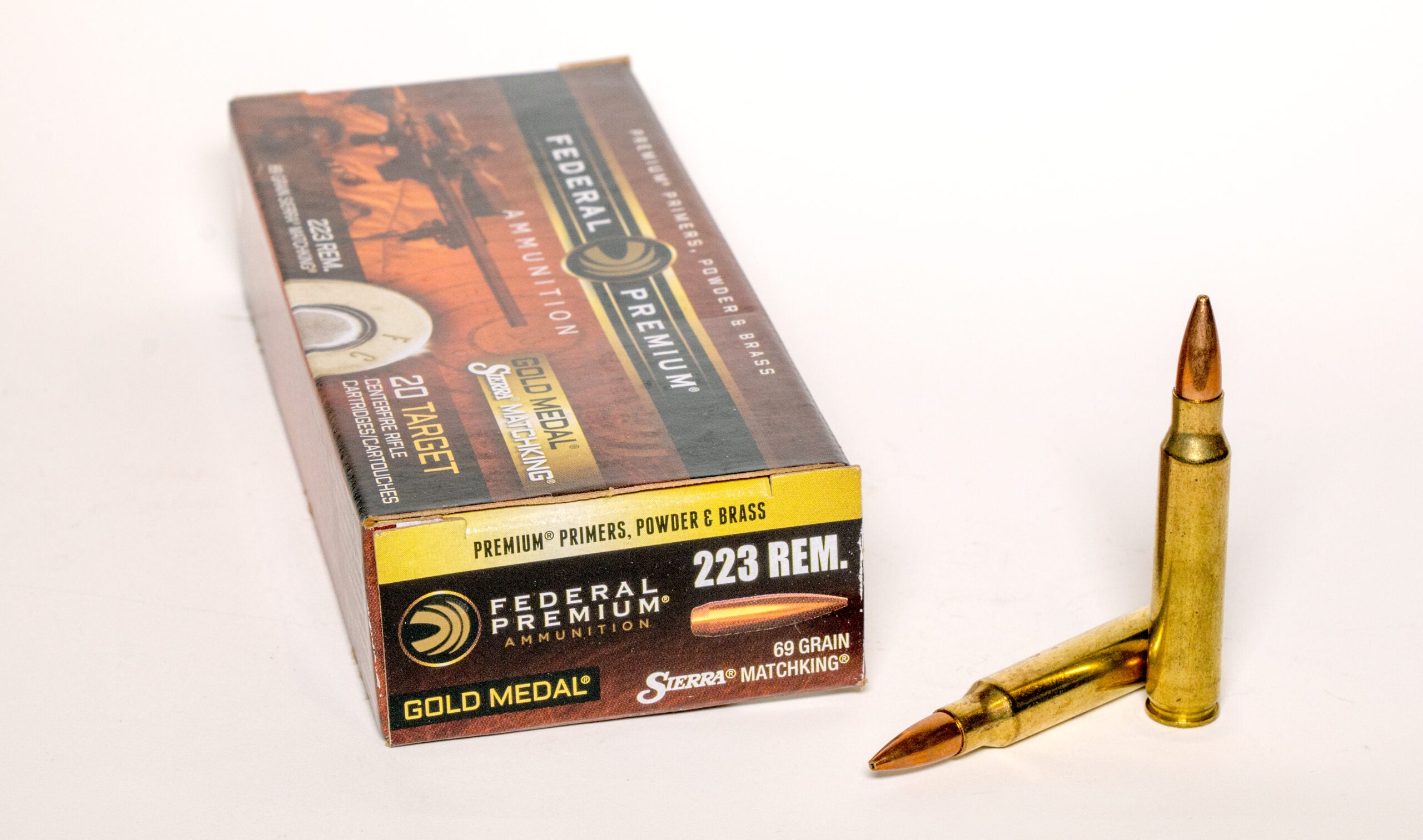
Development of the 223 Rem began in the late 1950s with a goal of creating a small-caliber rifle cartridge for the U.S. military. After a period of testing in 1961, in which twice as many shooters qualified expert with the ArmaLite AR-15 in 223 Remington than did shooters with the M-14, the 223 was recommended for adoption. In 1962 Remington submitted the cartridge to SAAMI (Sporting Arms and Ammunition Institute) for approval, and a year later the company introduced their first 223 Remington rifle. Interestingly, that rifle was the pump-action Remington Model 760. Since then, the cartridge has become one of the most popular for varmint and smallish big-game hunting, as well as for personal protection and recreational and competition shooting. However, the military gave the new cartridge a different name—Cartridge, 5.56mm ball, M193—which is now the 223 vs 556 confusion began.
The 5.56x45mm NATO
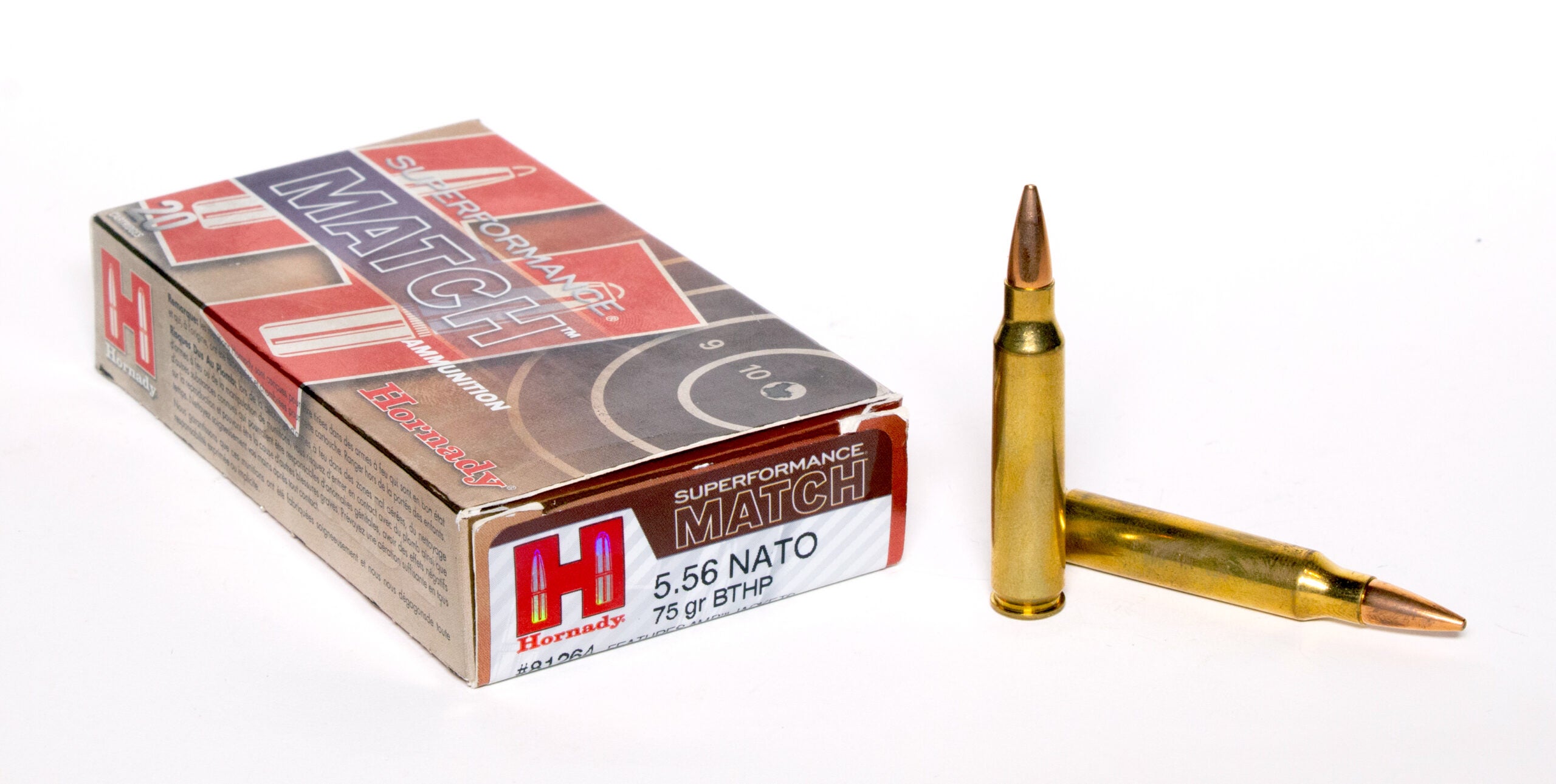
Some believe the 5.56 NATO was the original military cartridge and that the 223 Remington was the civilian offshoot. That’s not the case. In 1970, NATO affiliated countries agreed on a smaller-caliber cartridge to replace the 7.62x51mm NATO, which is similar to the 308 Winchester, and that’s another but similar story. The basis for the new cartridge was the 223 Remington, and it was optimized for a light machine gun created by FN. The 5.56x45mm was standardized by NATO in 1979, and after that, the U.S. Military reconfigured their M16s for 5.56 NATO compatibility. Today, AR-15s—the semi-automatic version of the M16—can be chambered for 223 Remington, the 5.56 NATO, or the 223 Wylde. We’ll get to the 223 Wylde shortly.
223 vs 556: What’s the Difference?
The cartridge cases of the 223 Rem and 5.56 NATO appear identical on the outside, but 556 cases can have minutely thicker case walls. Another difference is in pressure. SAAMI has an established maximum average pressure rating of 55,000 psi for the 223 Remington and 57,500 psi or less for all AR-15 compatible cartridges. There are no SAAMI 5.56 NATO pressure specifications, but the cartridge generally operates at around 62,000 psi, depending on the load. Clearly, the AR-15 can clearly handle 62,000 psi because there are lots of AR-15s chambered for the 5.56 NATO. So, why does it matter.
It matters because the chamber that’s cut inside the barrel of a 223 vs 556 are different. As far as the portion of the chamber that encases the cartridge case, they’re the same; it’s the chamber cut past the case mouth that’s different. A chamber in a 5.56 NATO barrel has a longer throat, which is the segment of the chamber between the case mouth and where the rifling lands taper from nothing to the bore diameter of 0.219-inch/5.56 millimeters. This extra space allows the barrel to withstand the higher pressures of the 5.56 NATO. It’s that simple. What’s not as simple is the interchangeability.
Are 223 and 556 Interchangeable?
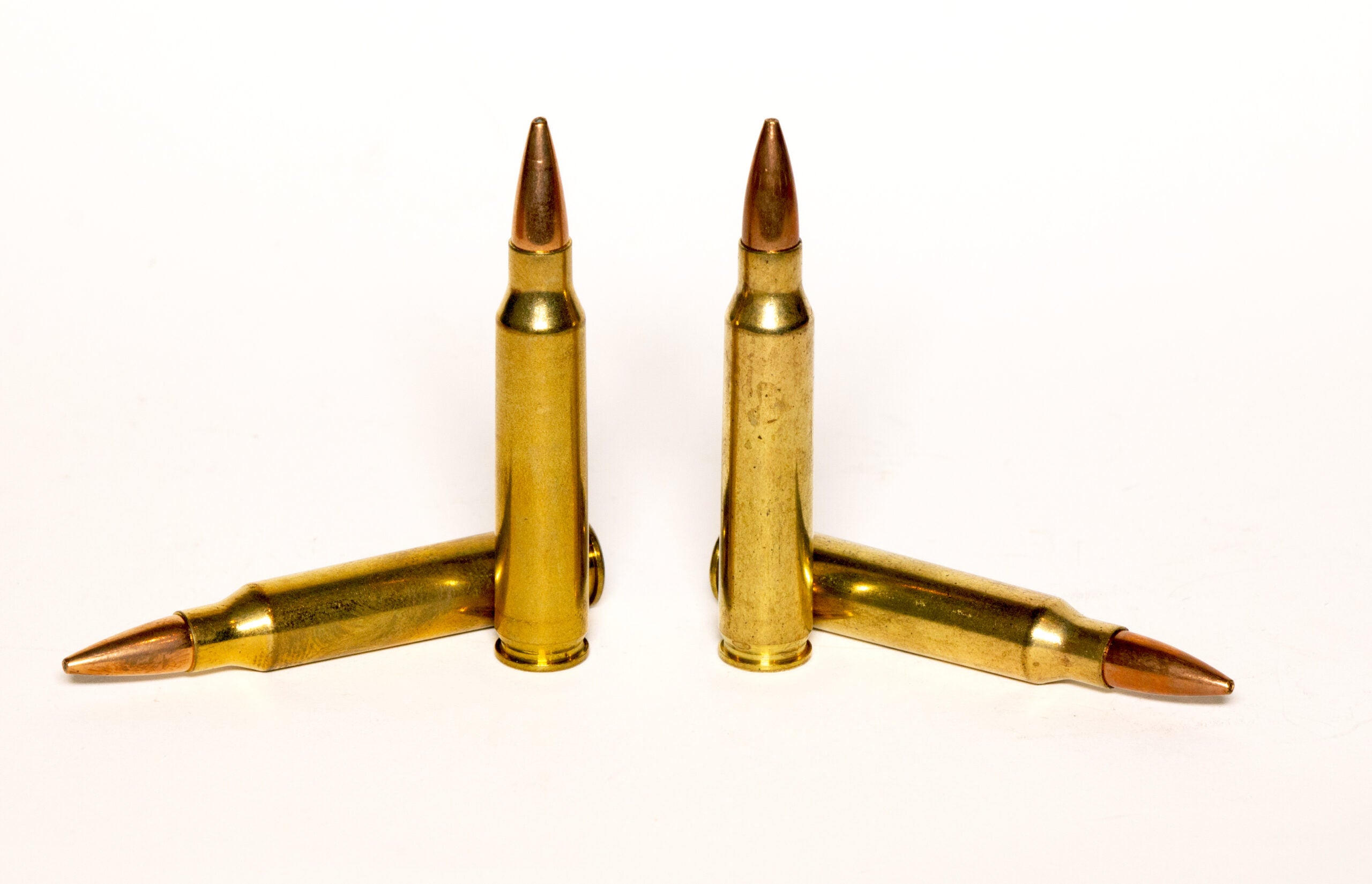
It is perfectly safe to shoot 223 Remington ammunition in a 5.56 NATO rifle, but in some cases, precision can be less than stellar. On the other hand, it’s considered unsafe to shoot 5.56 NATO ammunition in a 223 Remington rifle. You see, the 5.56 NATO cartridge will produce about 62,000 psi in a 5.56 NATO chamber, and that’s OK. But in the 223 Remington chamber with the tighter throat, pressures can exceed 70,000. That’s not OK. You might get by doing it one time, or even 10 times, but you also might blow your gun apart and seriously jeopardize body parts like eyes and fingers if you do it just once.
The potential for poor precision when shooting 223 Remington ammunition in a 5.56 NATO rifle and the worry of an explosive disassembly when shooting 5.56 NATO ammunition in a 223 Remington rifle is what led to the 223 Wylde. The 223 Wylde is not a rifle cartridge and nor is it a type of ammunition. The 223 Wylde is a specification for the reamer that cuts a chamber to offer a dimensional hybrid between the 223 Remington and the 5.56 NATO specifications. It has become very popular in AR-15s because it allows shooters to not worry if they’re shooting 223 Remington or 5.56 NATO ammunition. It’s perfectly safe and generally delivers good precision with both.
223 vs 556 for Handloaders
Now, just when you think you’ve got this all this figured out, there’s more to the story. If you load your own ammo, 5.56 NATO data is hard to find, and when you do find it, it’s likely identical to 223 Remington data from the same source. This is mostly due to the fact that lots of folks use 5.56 NATO brass to load 223 Remington ammunition. And while its generally thought that 5.56 NATO brass has a lesser capacity, that’s not always the case. This is why you begin any loading project with what’s called “starting loads” and work up.
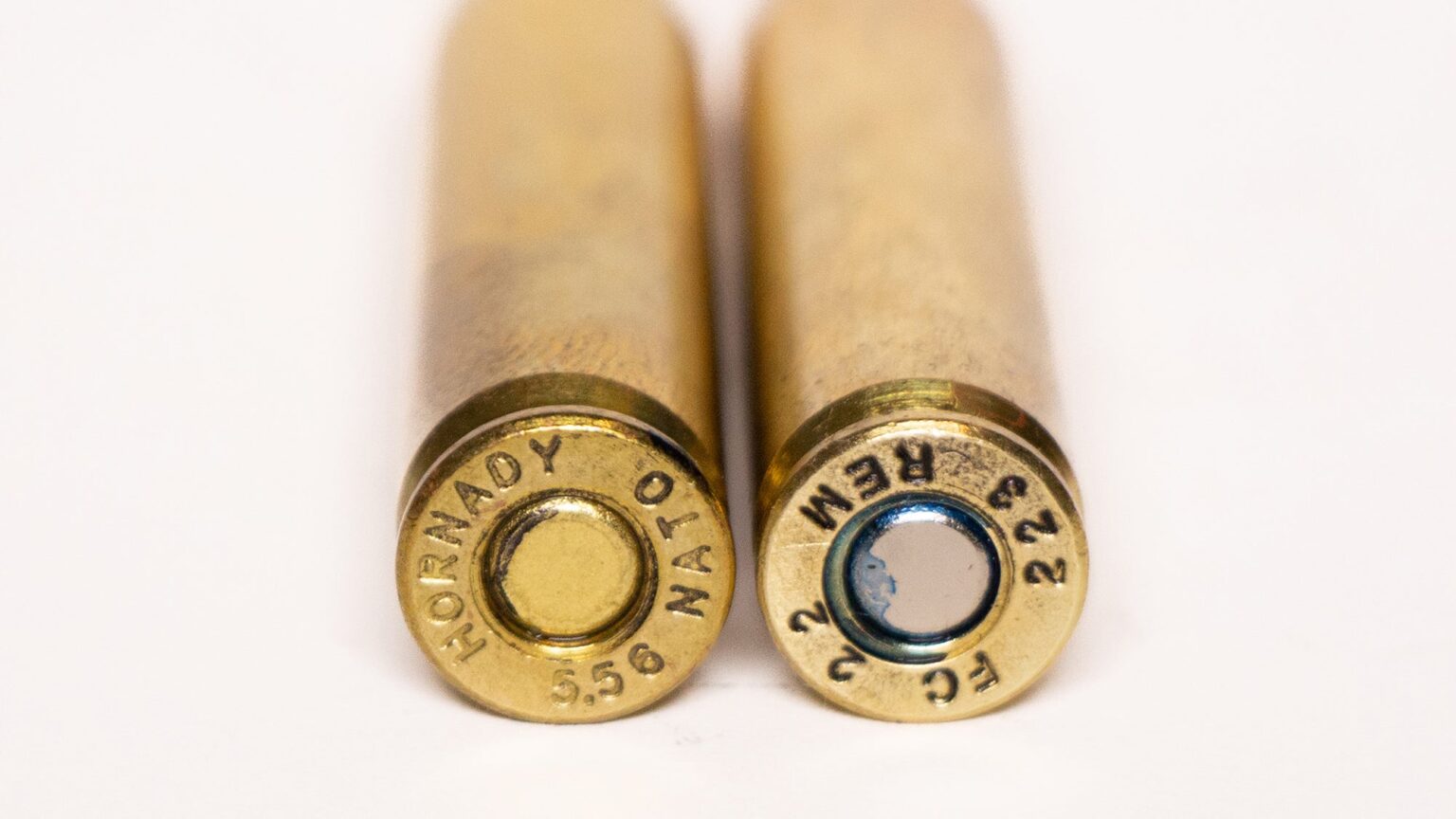
I’ve seen cases headstamped for 5.56 NATO and 223 Remington in the same box of factory 5.56 NATO ammunition. This can make cartridge identification problematic. Fortunately, if it is indeed 223 Remington ammo and from a reputable manufacture, the case head will be marked 223 REM because that’s what SAAMI mandates. If it’s marked otherwise, and it’s not 223 Remington ammo that you reloaded, don’t consider it safe to shoot in your 223 Remington rifle.
223 vs 556: Which is Best?
For a long time, the only 5.56 NATO ammunition available was military ammunition. That’s no longer the case. With so many AR-15s chambered in 5.56 NATO, there’s a small selection of 5.56 NATO ammo loaded with more conventional sporting bullets suitable for hunting. But here’s the thing: If the same bullet types and weights are compared, the two cartridges perform just about as identical as they look. That said, there’s a substantially larger variety of 223 Remington loads to choose from, and this is why the 223 Wylde chamber cut has become so popular. If your gun can safely shoot both, then your variety of ammo choices only grows.
The post 223 vs 556: What’s the Difference? appeared first on Field & Stream.
Articles may contain affiliate links which enable us to share in the revenue of any purchases made.
Read the full article here