



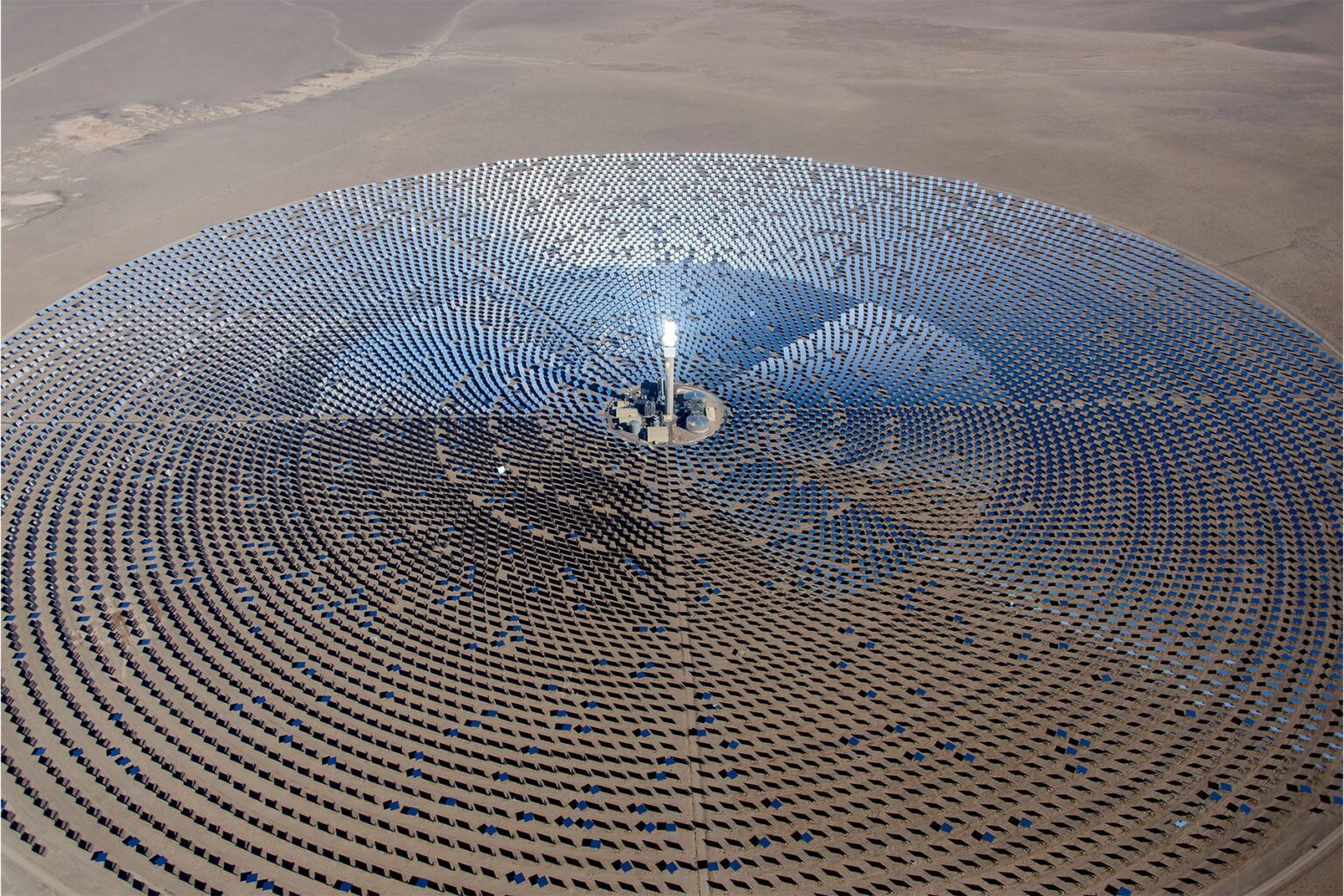

The Bureau of Land Management (BLM) recently released a draft plan outlining potential solar energy development in the West. The proposal is an update of the BLM’s 2012 Western Solar Plan. It adds five new states—Idaho, Montana, Oregon, Washington, and Wyoming—to a list of 11 western states already earmarked for utility-scale solar development on BLM land.
“Our public lands are playing a critical role in the clean energy transition – and the progress the Bureau of Land Management is announcing today on several clean energy projects across the West represents our continued momentum in achieving those goals,” said BLM Director Tracy Stone-Manning in a press release issued on Jan. 17.
All told, the plan would “provide approximately 22 million acres of land open for solar application, giving maximum flexibility to reach the nation’s clean energy goals,” the BLM press release states.
The Proposal Has Sparked Concerns Among Conservationists
Hunting and fishing conservation groups have given the proposal a lukewarm reception. “We recognize that public lands in the west provide important options to help meet the nation’s renewable energy needs,” said Jon Holst, Wildlife & Energy Senior Advisor for the Theodore Roosevelt Conservation Partnership (TRCP) in a press release. “Our public lands also contain critical unfragmented habitats for fish and wildlife populations that offer world class hunting and angling opportunities. We will be looking at the details of this draft plan to make sure that the interests of hunters and anglers are incorporated.”
In March 2023, a group of conservation organizations including the TRCP, Backcountry Hunters & Anglers, The National Deer Association, and others had submitted a set of recommendations regarding the proposal. The organizations primarily asked the BLM to prioritize development in previously disturbed areas while avoiding areas with high recreational and resource values, among other suggestions.
“After touring several utility-scale solar facilities myself, I hesitate to enthusiastically endorse the widespread deployment of this type of development on our public lands,” wrote Holst in a March blog post. “Unlike other forms of energy development—such as wind, or even oil and gas—utility-scale solar generating facilities are usually high-fenced and allow for no other uses of the land within their boundaries. This exclusive use of the land can span thousands of acres for a single solar facility and will cover hundreds of thousands of acres of public lands.”
Solar energy development, while an important renewable resource, is proven to cause habitat loss and fragmentation. Recently, an ill-placed solar development in Wyoming forced over 1,000 migrating pronghorns onto a busy highway. Conservation groups are working to minimize such issues in the future.
Migration Routes and Winter Ranges on the Chopping Block?
Holst tells Field & Stream that one of TRCP’s biggest concerns about the plan is the impact it could have on big game migration routes and scarce winter range habitat. “In their preferred alternative, they’re saying they’ve identified 1.8 million acres of migration corridors and 4 million acres of winter range that would be open for development,” he says. “The sheer scale of these operations and the fact that they have to be fenced, per electric code requirement, basically make them a complete habitat conversion.
Unlike other types of energy development, like oil and gas or wind, there’s no habitat availability for anything within a solar facility. That habitat is essentially gone.”
Read Next: Controversial BLM Proposal Would Increase Protections for the World’s Longest Mule Deer Migration Corridor
According to Holst, habitat loss could be permanent when it comes to big game migration corridors. “It’s a complete barrier to migration,” he said. “If these solar facilities are actually placed inside a critical spot in a migration corridor, you could be severing a migration that’s been going on for thousands of years. And once they’re severed, they could be gone forever.”
In tact winter range is equally important to the health of the big game herds, Holst says. “In most western states, winter range is considered the limiting habitat for big game,” he says. “So opening 4 million acres of that for potential solar development—that’s a big deal.”
The BLM draft proposal includes six alternatives, each allowing for differing amounts of solar development under differing criteria — including proximity to critical habitat. The government agency relies on public feedback to inform the Final Programmatic Environmental Impact Statement and Record of Decision. Hunters and anglers can make their voices heard with written comments through April 18.
Read the full article here