


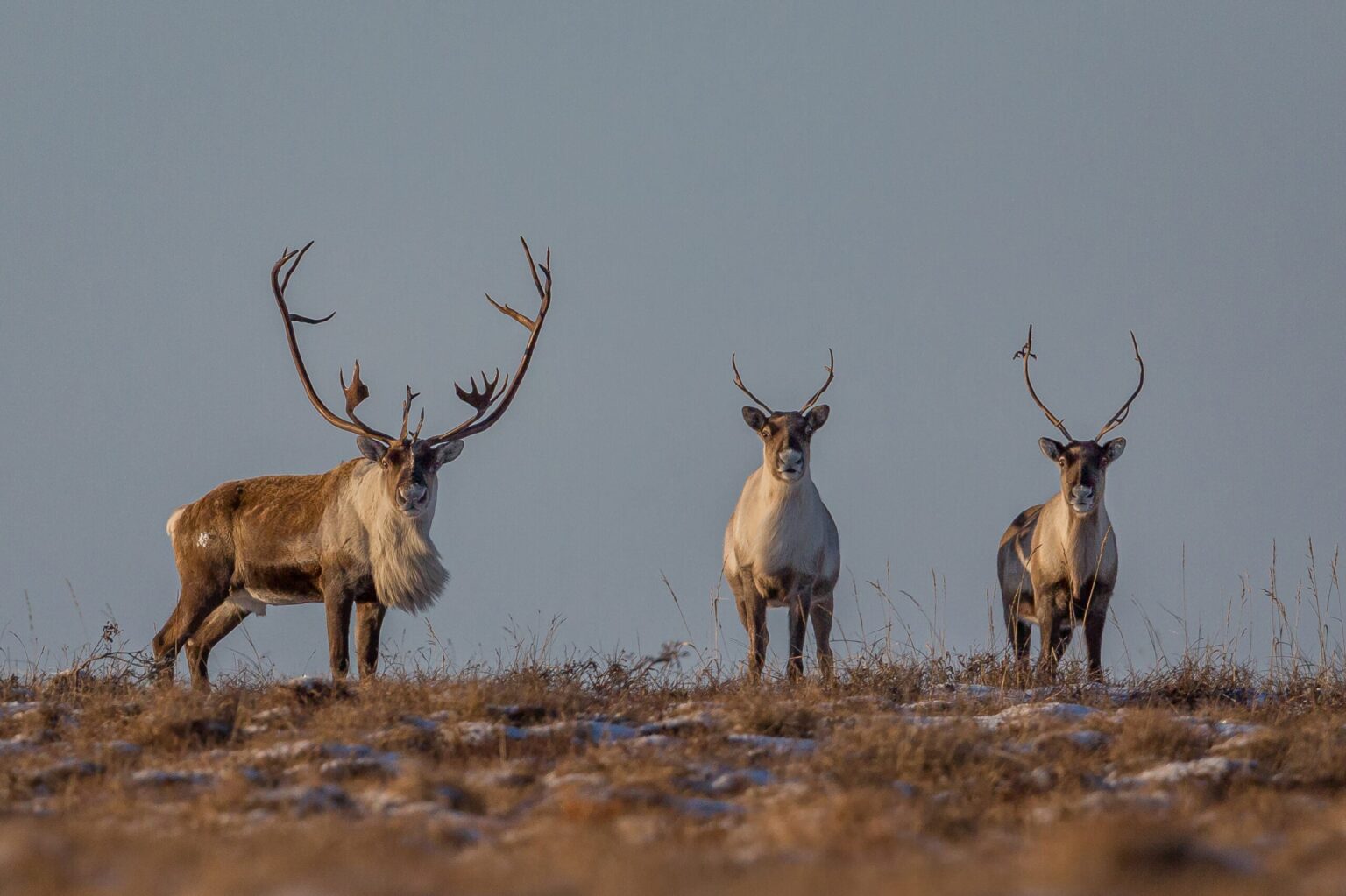

Late last month, the Alaska Department of Fish & Game (ADFG) voted to substantially reduce harvest numbers for the Western Arctic Caribou Herd. The move will limit non-resident bull caribou tags, previously available over the counter, to a lottery draw. And it will reduce resident subsistence tags from five caribou per day to just 15 per year. The management shift will apply to state-managed lands around Kotzebu.
The reduced bag limits are an effort to address eyebrow-raising declines in Alaska’s largest caribou herd, which has dropped by more than 300,000 animals over the last two decades. For Alaska residents, the new rules will go into effect in July of this year. While local subsistence hunters will still be allowed 15 caribou per year, only one of those can be a cow. The new non-resident draw system—which allots just 300 Western Arctic bull tags per year—won’t be implemented until 2025.
“A reduction in cow harvest is the single most important thing we can do to help the Western Arctic Caribou Herd,” ADFG wildlife biologist Alex Hansen told the Anchorage Daily News earlier this month. The latest estimates, based on photographic aerial surveys, put the herd at approximately 152,000 animals. At its 2003 peak, it was nearly 500,000 caribou strong. Herd numbers have swung widely over the last 50 years, hitting a low of 75,000 caribou in 1976, then rebounding after increased bag limits were put in place, according to reporting from Alaskas Public Media.
What’s Causing the Decline?
“The reasons why the Western Arctic herds are in decline are numerous and complicated,” Theodore Roosevelt Conservation Partnership (TRCP) Alaska Field Representative Jen Leahy tells Field & Stream. “Climate change, predation, hunting pressure, and unsustainable levels of cow harvest are all contributing—and some of those things are outside of our control.”
Leahy says the ongoing fall in Western Arctic caribou numbers, and the recent tag reductions those declines have brought about, underscores a pressing need for hunters across the country to get involved in Alaskan caribou conservation measures. “We want to do everything we can to help this herd rebound as quickly as possible,” she says. “Not building development projects that have know impacts to migratory behavior—and reducing harvest of cow caribou in particular—are two of the biggest things within our realm of control.”
One such development proposal proposal, which Leahy and TRCP are working hard to oppose, is the Ambler Road project—a 200-mile industrial mining road that would bisect the Western Arctic Caribou Herd’s ancient migration paths. Should the Ambler Road project be approved by the Bureau of Land Management, Leahy says, it could cause serious disruptions in the way caribou negotiate the landscape.
“Recent research shows that the nearby Red Dog Mine Road has impacted caribou migration very clearly,” she says. “Up to 30 percent of the caribou who come within 30 miles of that road are getting delayed.” Constructed in 1987, the Red Dog mine road provides access to a zinc and lead mine situated some 30 miles north of Kotzebu.
According to Leahy, the proposed Ambler Road would eclipse the Red Dog Mine road in both scope and scale. “The Ambler Road would be four times the size of that at least,” she says, “just the road itself, not even the associated lines.”
Rea Next: Hunters and Anglers Speak Out Against Proposed Industrial Road Through Alaska’s Famed Brooks Range
Negative impacts to caribou herds are just one of several red flags being raised by sportsmen and women who oppose the Ambler Road. The project would also introduce thousands of culverts the area’s wild rivers—famous for salmon, trout, and sheefish. And it would carve up wetlands critical for the pintail ducks, greater white-fronted geese, and tundra swans that summer in the Brooks Rage.The BLM closed its public comments on the proposed Ambler road earlier this winter, but hunters and anglers can still provide input at this link.
Read the full article here