



If the U.S. Fish and Wildlife Service and National Park Service get their way, reintroduced grizzly bears would be deemed an easier-to-manage “nonessential experimental population”
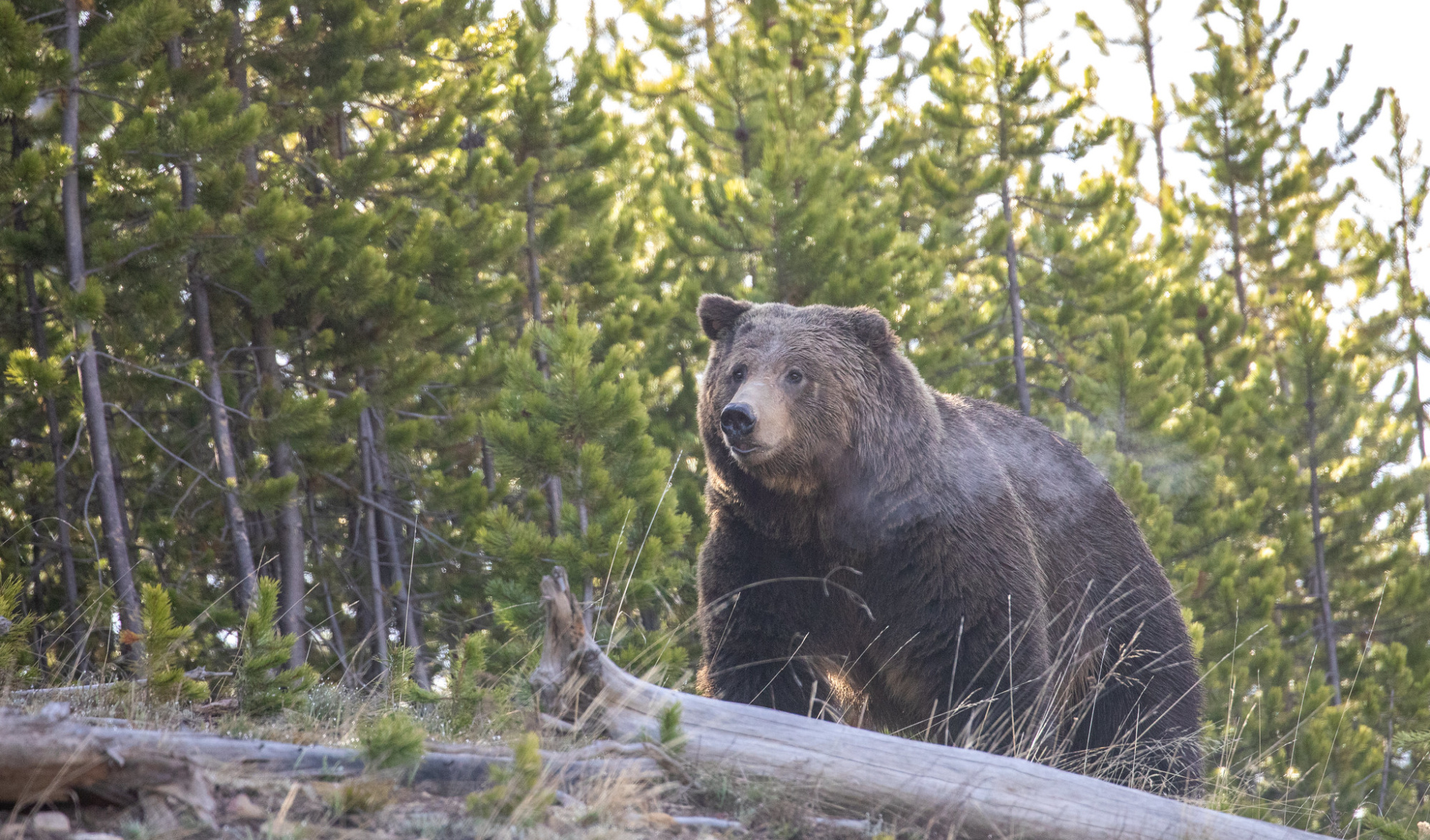
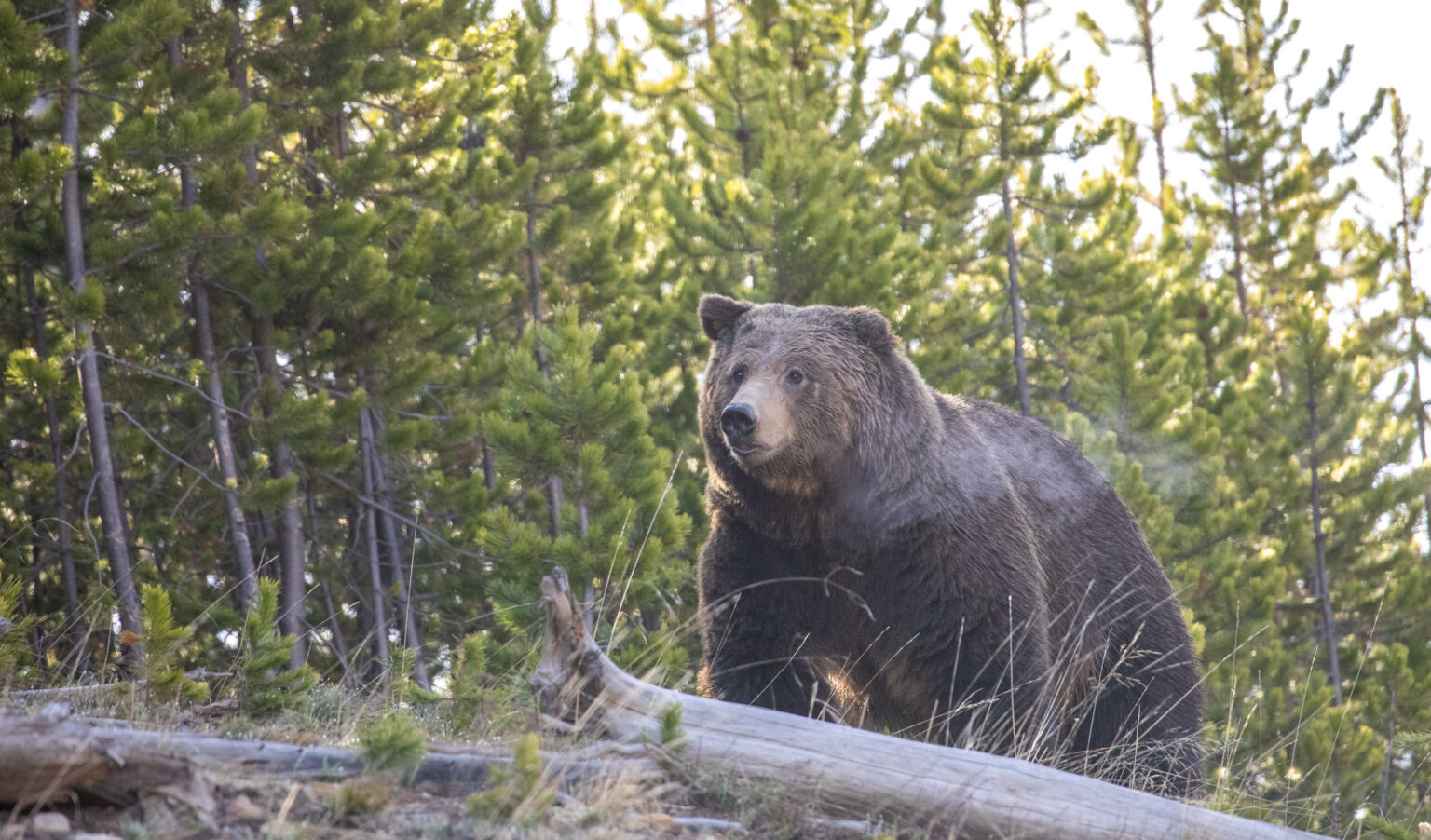
A “10j” designation for the reintroduced bears means greater flexibility for wildlife managers. Photograph by Jim Peaco / NPS
On Thursday the U.S. Fish and Wildlife Service and the National Park Service released the final environmental impact statement for a potential grizzly bear reintroduction in Washington State to the North Cascades recovery zone. Officials highlighted three potential plans for the future of grizzly bears in the region: one that would involve no reintroduction, one that would reintroduce grizzlies and classify them as threatened, and one that would classify them as a nonessential experimental population. The agencies highlighted the latter as the best choice, which would also give landowners and state wildlife managers more flexibility.
The final EIS is not a decision, but the last step in the public scoping and fact-finding process before a final decision is made, which will happen in roughly a month. Both options that involved a reintroduction require that three to seven grizzly bears are released in the zone each year for 5 to 10 years until officials achieve a population of 25 bears. Once they reach that threshold, “in subsequent years, additional bears could be released as needed to help meet restoration objectives. Once an initial population of 25 grizzly bears is reached, a restoration population of 200 bears in the NCE would likely be achieved in approximately 60 to 100 years,” the EIS reads.
The “nonessential experimental population” designation, also known as the 10j rule for the section of the Endangered Species Act that codifies it, was also applied to reintroduced gray wolves in Colorado. In brief, it means that the reintroduced animals do not receive full ESA protections and are instead subject to deterrence, removal, and even lethal control in instances of livestock predation and other human conflict. It also ensures that “grizzly bear restoration does not result in the restriction of other land uses and resource development activities or compromise public safety,” according to the NPS.
This emphasis on protecting other land uses is a big deal in the North Cascades recovery zone, an overwhelming majority of which is U.S. Forest Service land. The National Park Service owns another 504,654-acre chunk, which is North Cascades National Park. Much of the privately owned land in the zone belongs to timber companies and rural residents.
State wildlife agencies tend to be partial to the 10j rule in predator reintroductions because it gives them more options to ensure that communities in recovery areas can coexist with the new predators as well as possible. Rural residents of the North Cascade recovery zone (some of whom already feel like their voices were ignored in earlier talks about the reintroduction) would need to be on higher alert when working or playing outdoors, but the 10j rule is also designed to alleviate some stress about punitive laws in the event they need to protect themselves and their property in a grizzly bear encounter.
Read Next: Is There an Ulterior Motive Behind the Fed’s Proposal to Reintroduce Grizzlies in Washington State?
“By selecting an action alternative that includes the 10j rule, the federal agencies have set the stage for significant management flexibility should restoration implementation occur,” Washington Department of Fish and Wildlife program director Eric Gardner says in a press release.
The North Cascades recovery scoping process nears the end of the road as another recovery effort in the Bitterroot Mountains of Montana and Idaho picks up steam. A 60-day public comment period for that zone ended on March 18 and the USFWS is currently working on a draft EIS.
Read the full article here