

By using this site, you agree to the Privacy Policy and Terms of Use.
Accept
Afield DailyAfield Daily
  • Home
  • Hunting
  • Fishing
  • Cooking
  • Camping
  • Gear
  • Videos
Search
More Topics
  • Outdoor
  • Conservation
  • Survival
 
  • Guns
  • Gear Review
  • ATVs
Quick Links
  • Community
  • Customize Interests
  • Bookmarks
  • Privacy
  • Terms
  • Press Release
  • Advertise
  • Contact
© 2023 Afield Daily. All Rights Reserved.
Reading: Early Indications Point to High Waterfowl Production—and Good Duck Hunting This Fall
Sign In
Notification Show More
Latest News
It’s OK to Keep Trophy Crappie
Fishing
GALLERY: Team Knighten Industries sweeps the board at Builders FirstSource Qualifier Match 3
Fishing
The Best Tactical Flashlights of 2024
Gear
FantasyFishing.com Insider: Everything you need to know about Kentucky Lake
Fishing
Man Fined After Illegally Stashing 1,000 Pounds of Shed Antlers
Conservation
Aa
Afield DailyAfield Daily
Aa
  • Camping
  • Hunting
  • Fishing
  • Cooking
  • Gear
  • Survival
  • Conservation
  • Videos
Search
  • Home
  • Videos
  • Sections
    • Hunting
    • Fishing
    • Cooking
    • Camping
    • Gear
    • Survival
    • Conservation
  • Quick Links
    • Community
    • Customize Interests
    • Bookmarks
Have an existing account? Sign In
Follow US
  • HUNTING
  • FISHING
  • COOKING
  • SURVIVAL
  • VIDEOSHOT
© 2023 Afield Daily. All Rights Reserved.
Conservation

Early Indications Point to High Waterfowl Production—and Good Duck Hunting This Fall

Afield Daily
Last updated: 2023/06/06 at 10:26 PM
Afield Daily

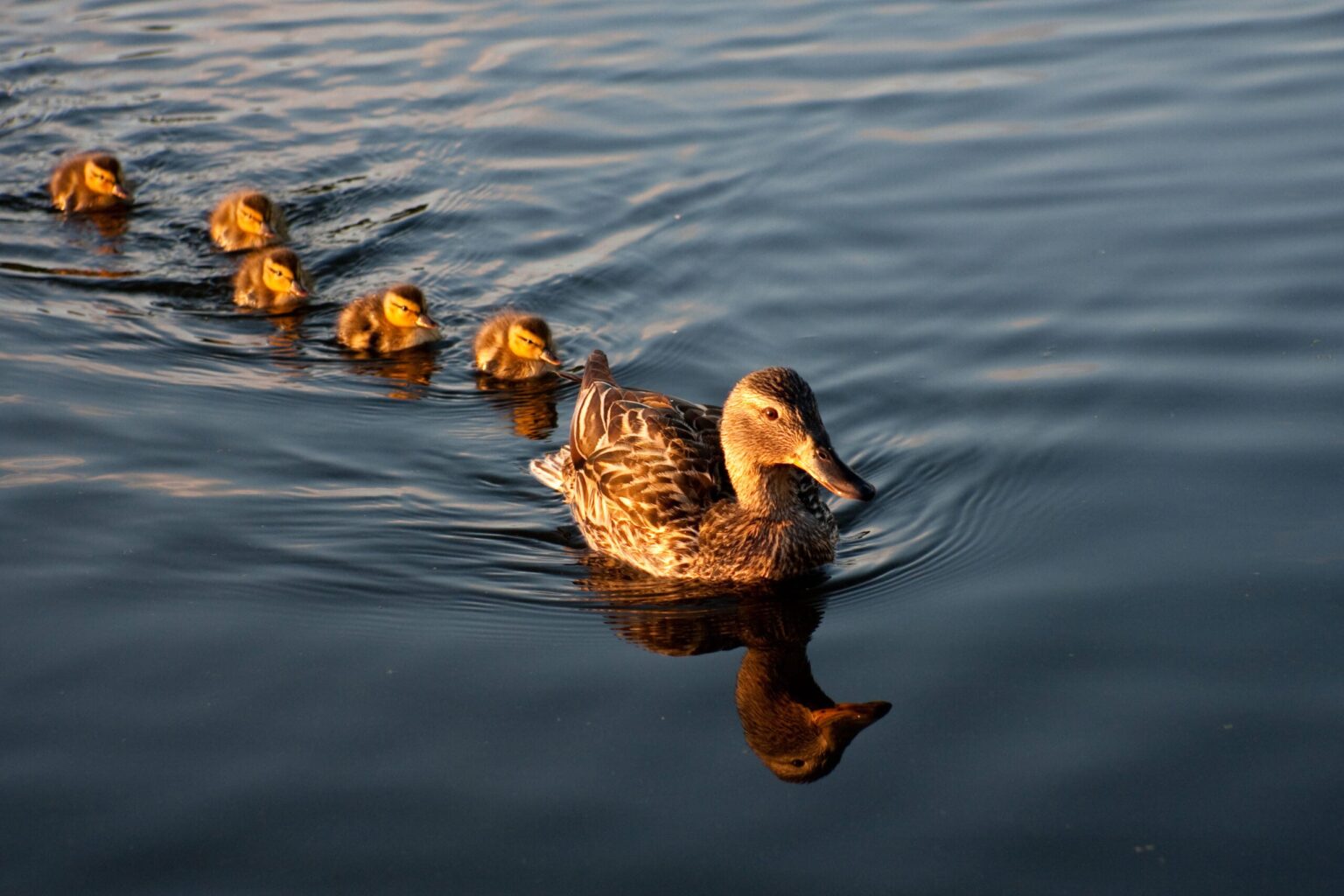
2023 is off to a good start, at least when it comes to waterfowl production. According to the April 30 prairie breeding condition map from Delta Waterfowl Foundation, Canada and the northern states showed promising amounts of water on the landscape, quite possibly setting the stage for a good fall flight. Delta’s map shows “good” conditions throughout most of the Dakotas, Montana, and Manitoba—all important parts of the “duck factory.”  The prairies of Saskatchewan and Alberta are dryer, but even so, those conditions still rate “fair” with only a few areas of “poor” conditions. “There are some dry spots on the Canadian prairies, but ducks are mobile and can find habitat,” Mike Buxton, who coordinates Delta’s surveys, tells Field & Stream.

“We see a mix of water conditions, but overall signs are encouraging,” says Buxton. Delta looks at rain and snowfall data as well as several other metrics as it models wetland conditions throughout the year. In addition, Delta works with its trappers and hen-house nesting structure cooperators for first-hand reports on habitat conditions. Buxton has personally seen very good signs in North Dakota, a crucial state for duck production. “East of Bismarck there is water beyond the cattail rings in the small wetlands,” he says. Wet conditions mean there will be plenty of invertebrates to feed ducklings.

He adds that the Dakotas, which suffered through very dry conditions in 2021, could see depressed predator numbers that might boost nesting success. He explains that typically, during times of dry weather and poor duck production, raccoons can find neither duck eggs nor amphibians to eat. Add a long winter on the prairies, and nest-predator populations may still be down. 

Although the map is encouraging, Buxton cautions that is only a snapshot. “Water conditions look fairly good now. You still need rain to refill the ponds through June, July for nesting and re-nesting and even into August to give the broods places to hide,” he says. “Ideally, you need water through August.”

Read Next: The Supreme Court Just Withdrew Protections from a Huge Portion of the Country’s Wetlands

Meanwhile, the USFWS is conducting its annual Waterfowl Habitat and Breeding Population Survey. The USFWS has conducted the survey since 1955, flying transect routes over 2 million acres of prime prairie breeding habitat. Although known as the “May pond count,” the survey also counts birds and runs from mid-May to mid-June. The results will be analyzed and released in August. 

For now, it’s too soon to know for sure, and we can only wait and watch for more rain on the prairies. At this point, Mike Buxton remains optimistic for the fall. “We should see more juvenile birds this year, and those are the ones most likely to end up in a hunter’s bag,” he says.


Read the full article here

[ruby_static_newsletter]
Leave a comment

Leave a Reply Cancel reply

Your email address will not be published. Required fields are marked *

You Might also Like

Conservation

Man Fined After Illegally Stashing 1,000 Pounds of Shed Antlers

5 Min Read
Conservation

First Grizzly Bear in Bighorn Mountains in a Century Euthanized for Predation

4 Min Read
Conservation

Idaho Man Busted with More Than 1,000 Pounds of Poached Shed Antlers

5 Min Read
Conservation

As Wolf Management Debate Reaches a Fever Pitch, the Interior Department Hires a National Mediator

22 Min Read
Conservation

Wardens Seek Information About Elk Poaching Spree in Idaho

2 Min Read
Conservation

Florida Now Using Gambling Revenues to Fund Conservation

4 Min Read
Conservation

Wildlife Commissioner Fined For Hunting Turkeys Baited with Crickets

2 Min Read
Conservation

Louisiana Approves Black Bearing Hunting Season for 2024

3 Min Read
//

Afield Daily is your one-stop news website for the latest articles and tips about hunting, fishing and camping, follow us now to get the content you want.

Quick Link

  • PRIVACY POLICY
  • TERMS OF USE
  • PRESS RELEASE
  • ADVERTISE
  • CONTACT

Hot Topics

  • HUNTING
  • FISHING
  • COOKING
  • SURVIVAL
  • VIDEOSHOT

Sign Up for Our Newsletter

Subscribe to our newsletter to get our newest articles instantly!

[mc4wp_form]

Afield DailyAfield Daily
Follow US

© 2023 Afield Daily. All Rights Reserved.

Join Us!

Subscribe to our newsletter and never miss our latest articles, podcasts etc..

[mc4wp_form]
Zero spam, Unsubscribe at any time.

Removed from reading list

Undo
Welcome Back!

Sign in to your account

Lost your password?