

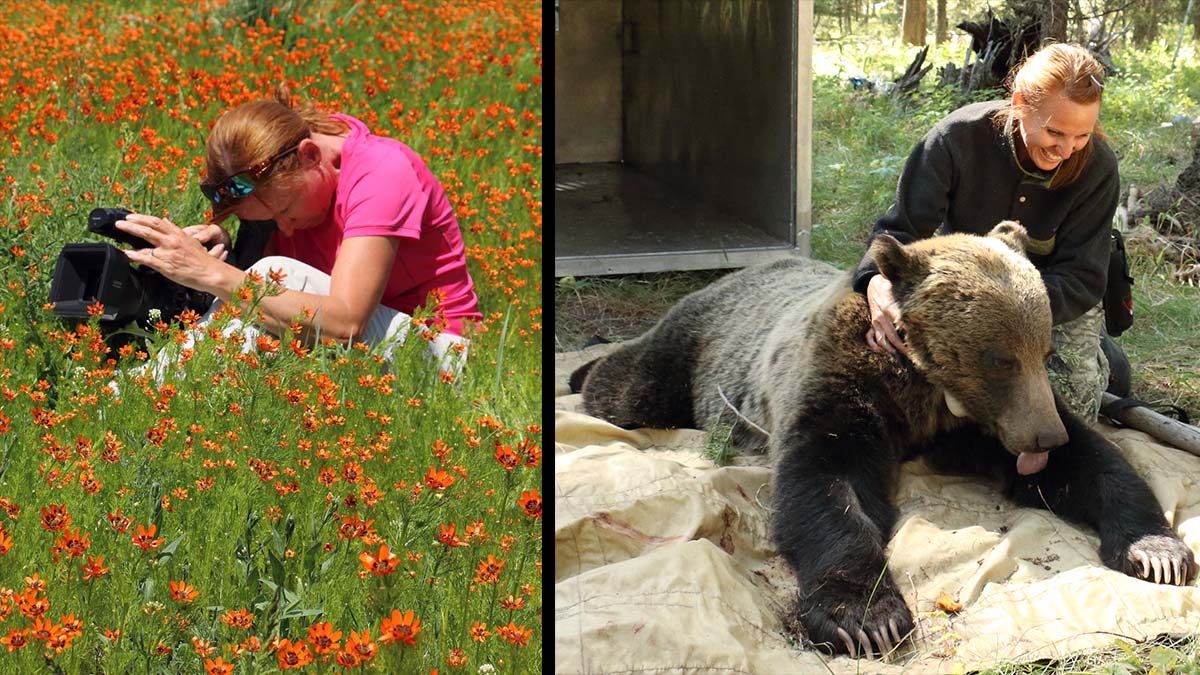

If I could use one word to describe longtime Field & Stream contributor and outdoor journalist Kris Millgate, it would be: relentless. So, it’s no surprise that as a documentary filmmaker, Millgate has gravitated to wild animals that share that attribute. First, Millgate directed and produced a movie about the 850-mile salmon migration from the Pacific Ocean to Idaho. This August, Millgate is coming out with On Grizzly Ground, a 26-minute film about grizzly bears in the Great Yellowstone Ecosystem.
The film offers a comprehensive — and entertaining — look at the conservation story of grizzly bears in GYE. The narrative of the film follows a year in the life of grizzly bears, from waking up in the spring to hibernating in the fall. Millgate captured most of the footage with her feet on the ground deep in bear country. In anticipation of the film’s upcoming release, I spoke with Millgate about why she chose to make a film about bears, the impact of human development in the West on wildlife, and more.
Before this documentary, you made a documentary on salmon. Why did you decide to follow that up with a project on grizzly bears?
As soon as my salmon film came out, everyone asked me what was next. Following the salmon migration across the country solo during the pandemic was pretty hard to top. It felt like a lot of pressure to figure out what was worthy of the next project.
While I worked in the Great Yellowstone Ecosystem (GYE) for several decades, I’d never done anything major on grizzlies. I looked back through all the stories I’d done on grizzlies and decided that while it was a risky endeavor to follow grizzlies, it was warranted right now because the population is expanding as is the human population in the West — and those two are butting heads. I wanted to show people what it’s like for the wild to make its way with us in the way.
What was your favorite scene from the documentary to film?
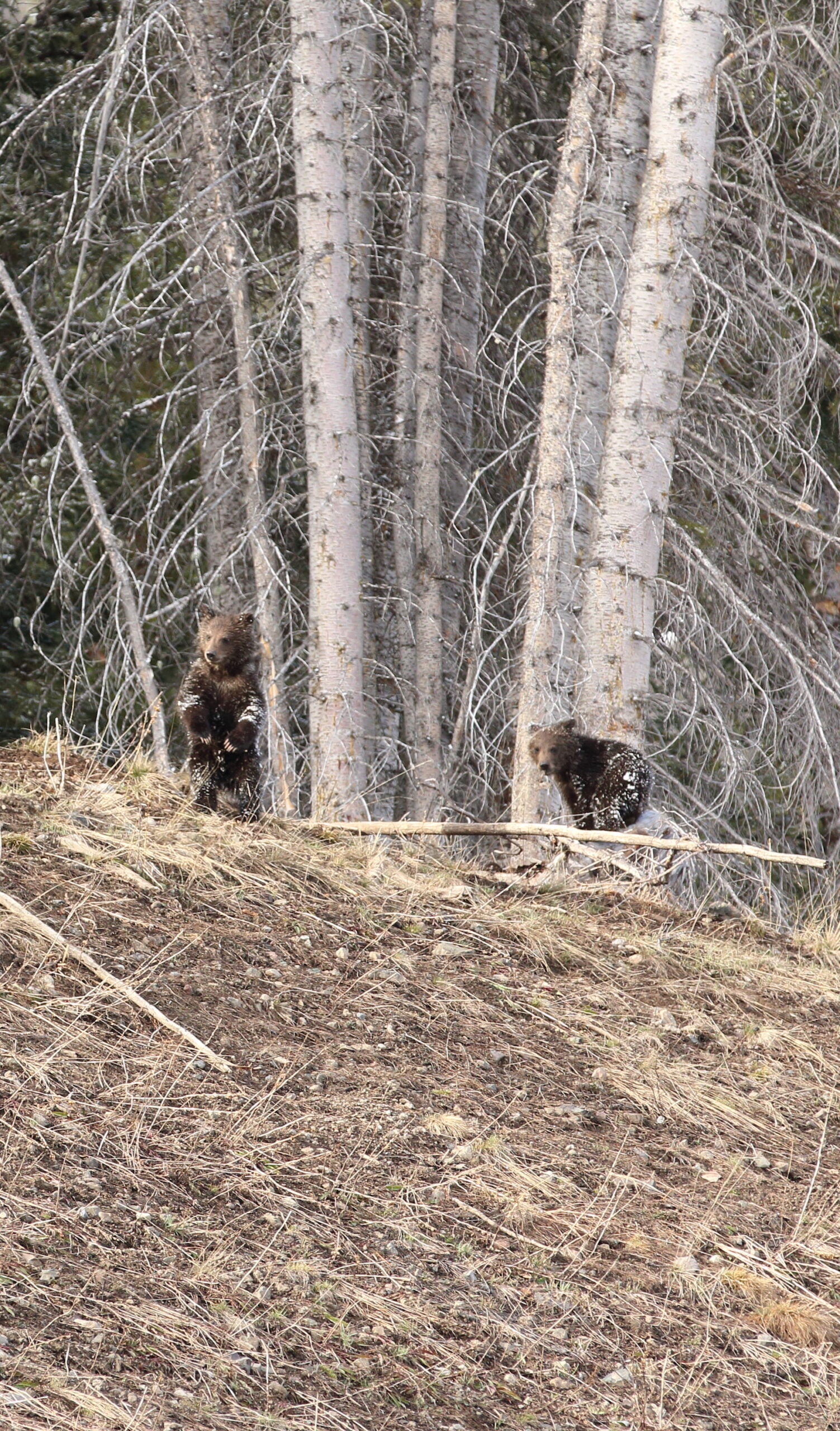
When “Ocean to Idaho” was touring, I took an exploratory drive to figure out if I could pull the grizzly bear project off. I spent 14 hours driving around trying to find the needle in a haystack — a grizzly bear doing its thing. In the last hour of light, I found a sow with two cubs. I bet they had only been out of hibernation for a few weeks. The cubs were no taller than your shin. They had cabin fever and were running bonkers in the snow, and the mom was just watching them. It’s probably the best footage I’ve ever shot—and I took it a safe distance away, without disturbing the bears. This one cub popped up on its back legs into the frame of my lens and was waving its arms all over like it was in a stadium. It gave me the confidence to know I could follow grizzlies for a summer without compromising their safety or mine.
You spoke with people involved with all sorts of aspects of grizzly bear management. How did you find the right people to speak to?
When I’m working on a major project, whether it’s salmon or grizzlies, the first thing I do, several months before stepping into the woods, is figure out who I need to talk to. As a journalist, I want perspective—and I want everyone’s perspective. It’s not about what I think; it’s about what everyone thinks that’s impacted by what’s happening with wildlife in this area. I spent months tracking down people and then narrowing it down to the strongest voices for each perspective.
I need to be able to do the issue justice by keeping my opinion out of it and making sure you hear all of the perspectives involved in an issue, especially on something as dynamic as grizzlies. We’re talking about an animal that fascinates — and scares — a lot of people.
How big of a threat is human development to grizzlies in the GYE?
One of the most magical things about the GYE is that there’s still undeveloped land. There are a lot of places in the country that can’t say that. The only reason we still have grizzlies is because we have that. Bringing back the grizzlies in the area was a conscious effort done half a century ago—and slowly but surely it has worked.
But now, everybody wants to be here. That adds a whole other challenge because there’s only so much space. The GYE grizzly population has more than doubled since grizzlies were listed in the 1970s. And there is a lot more stuff happening on the landscape. Now, the biggest challenge for the bears is social tolerance. That’s up to us. The bears have figured out how to live among us. Now we need to figure out how to live among them.
During the project, people often asked me if I was scared. Sure, I was — but what was scarier is people not paying attention to what they were doing in grizzly country. It’s not the bears that make me nervous in bear country, it’s the people that do a lot of things that compromise our safety and the bears’ safety.
You spoke to a lot of human-bear conflict reduction experts. What was your biggest takeaway from them?
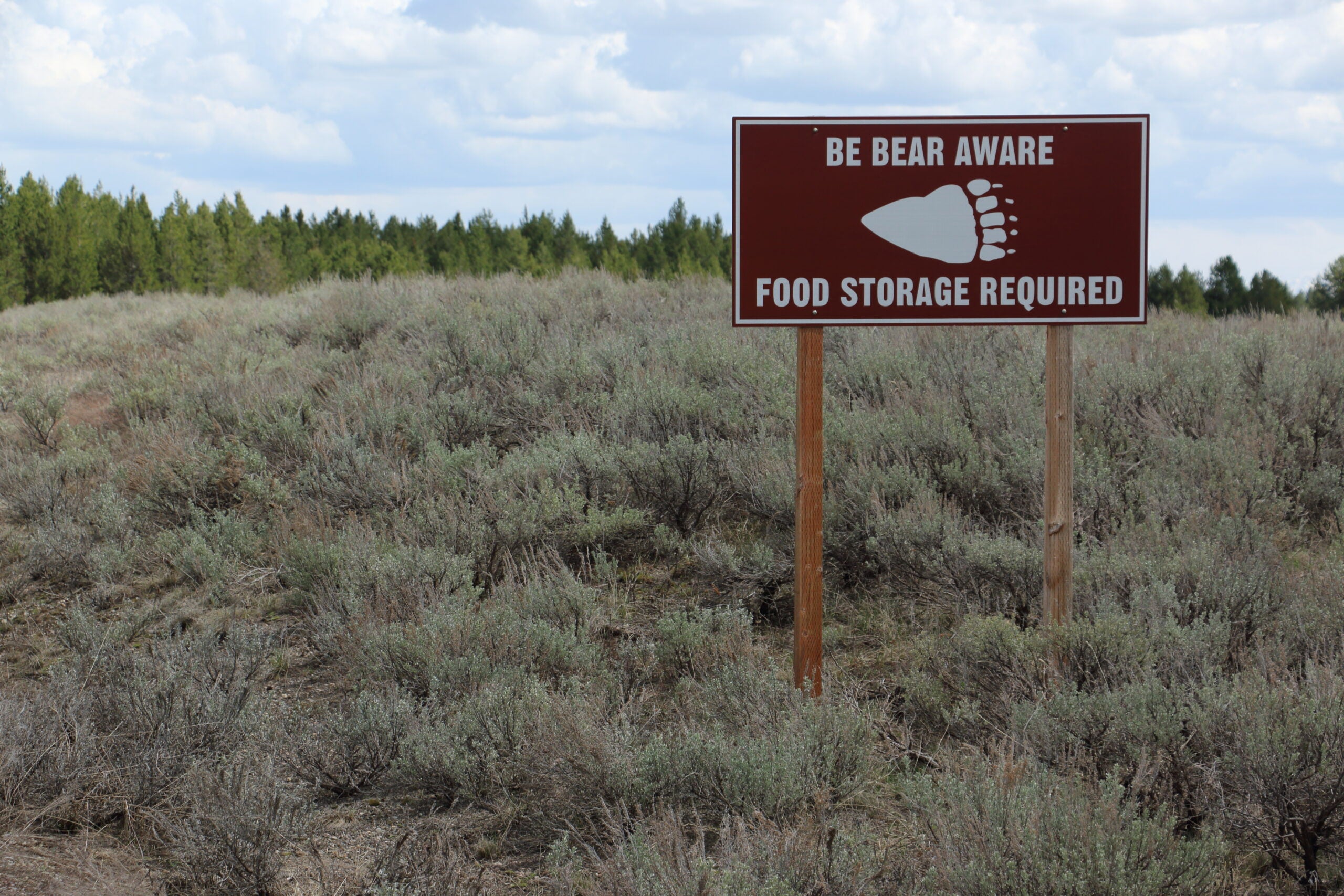
When I started the project, I thought it was going to be encouraging people to carry bear spray. Then I went and watched a bunch of grizzly bears test “bear-resistant coolers,” and I changed my mind. There was this big ah-ha! moment. Today’s coolers are fantastic, and they have flimsy rubber latches—and often come with a seal that says they’re bear-resistant. But it’s just a sticker if you don’t use locks on the holes on the corners of their lids. It’s important for people to know that.
So, essentially, securing food from bears is extremely important.
Right. There are bear bins, bear-resistant garbage containers, and campground storage boxes, so there’s no reason for food to be unsecured in grizzly country. But you’ll still see food out all over the place, whether it’s in a campground or town in the GYE, and bears are food motivated. Their movement is dictated by what they need to eat. If they can find your garbage faster than huckleberry bushes, I guarantee you they’ll pick your garbage.
What was something interesting you learned about grizzlies while making the film?
There are two things. The first is the most important—a tribal perspective. It takes a long time for a tribe to talk to me, the journalist. Once they finally do, I’m honored they want to share their perspective. To hear a tribal member talk about the importance of grizzly bears and understanding their connection with the animal was something I needed to understand.
The second thing was that there are a lot of roads in our forests that are not supposed to be there. A lot of those are closed but may still be in use. But when the Forest Service closes a road to vehicles, it’s for a good reason. For every mile of illegal road that gets closed, you create 400 acres of habitat for grizzly bears.
Is there anything else you’d like to add?
People are interested in the outdoors more so now than ever. They’re sticking their feet in the creeks and smelling the pine trees. I’m so thrilled to see that because it means people are reconnecting with our natural resources, which is what my whole career has been about. I’m really excited to see what that will mean for our future in the outdoors.
Where will people be able to find your movie?
On Grizzly Ground premiers in August. The book about the backstory of following grizzlies, My Place Among Beasts, also comes out in August. Both of those will premier where I’m based in Idaho Falls, Idaho, before being available elsewhere. For more info, go to ongrizzlyground.com.
This interview has been edited for clarity and concision.
Read the full article here