





Despite what trendy fad diets and chiseled fitness influencers might tell you, the concept of beefing up your diet with more macronutrients, or “macros,” is nothing new. If you want proof, just look at pemmican, a brick of dried meat, berries, and fat that originated with Indigenous tribes in the Plains, Great Lakes, and Rocky Mountain regions.
Pemmican is shelf-stable and sustains consumers with its incredibly high protein and fat content. The caloric recipe is also balanced with a moderate amount of carbs from added fruits. These three macronutrients—protein, fat, and carbs—are crucial to fueling your body through a difficult hike or hunt, but they’re also pretty difficult to consume all at once without eating a full meal. No wonder pemmican is widely touted as the “original energy bar.”
Let’s dive into the history of pemmican, how to make it, and how to store it.
What Is Pemmican?
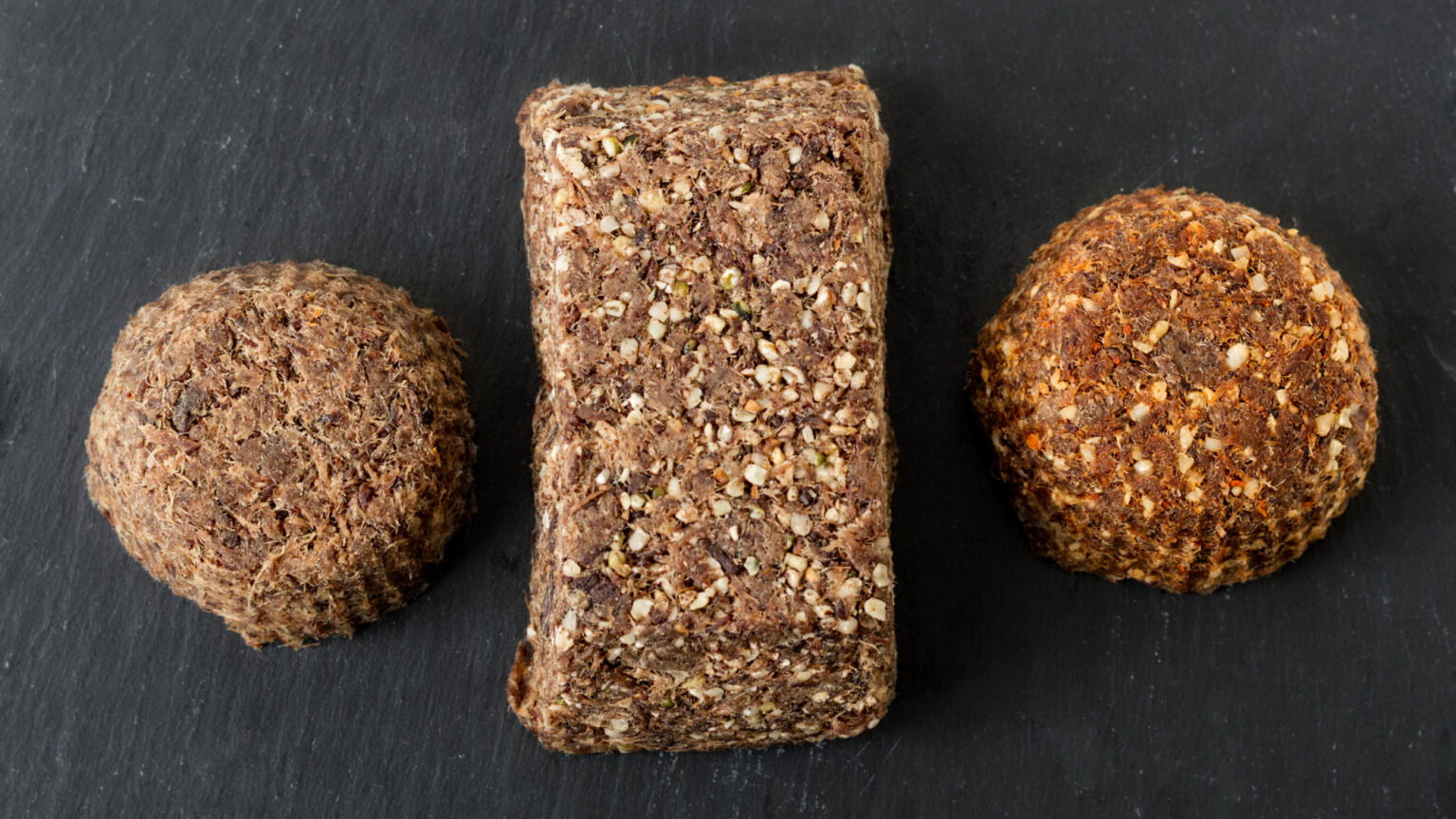
Pemmican is a loaf of dried ground meat and dried berries held together with congealed animal fat, commonly referred to as “tallow.” Some pemmican chefs slice the loaf into pucks or strips, while others form bite-sized balls or patties. A pound of pemmican can pack up to 3,800 calories, compared to 1,152 calories in a pound of 80/20 ground beef.
When you’re trying to keep your belly full in the backcountry, you probably fall back on a few tried-and-true favorites: jerky, granola bars, and nut butters. This trifecta generally meets your macronutrient needs, but they all have their own shortcomings. Jerky’s downfall is an absence of carbohydrates and fats that stick to your bones and fuel your movement. The downfall of the modern granola bar, despite being high in carbs and calories (sometimes from excessive amounts of added sugar) is usually a lack of protein and fat. Adding high-fat nut butters to the mix helps. But at the risk of saying something highly controversial, you can only guzzle down so much peanut butter before you’re seriously sick of the stuff. It can also make a mess and it’s not exactly allergy-friendly.
Pemmican combines the three macronutrients into a single source. It joins the ranks with backpacking dinners and meal replacement bars as one of the best survival foods, and it’s been sustaining humans since long before the inventions of plastic, freeze-drying, and dehydrators.
How to Make Pemmican
Chef, food educator, and founder of Indigikitchen Mariah Gladstone says that to make pemmican, you’ll need:
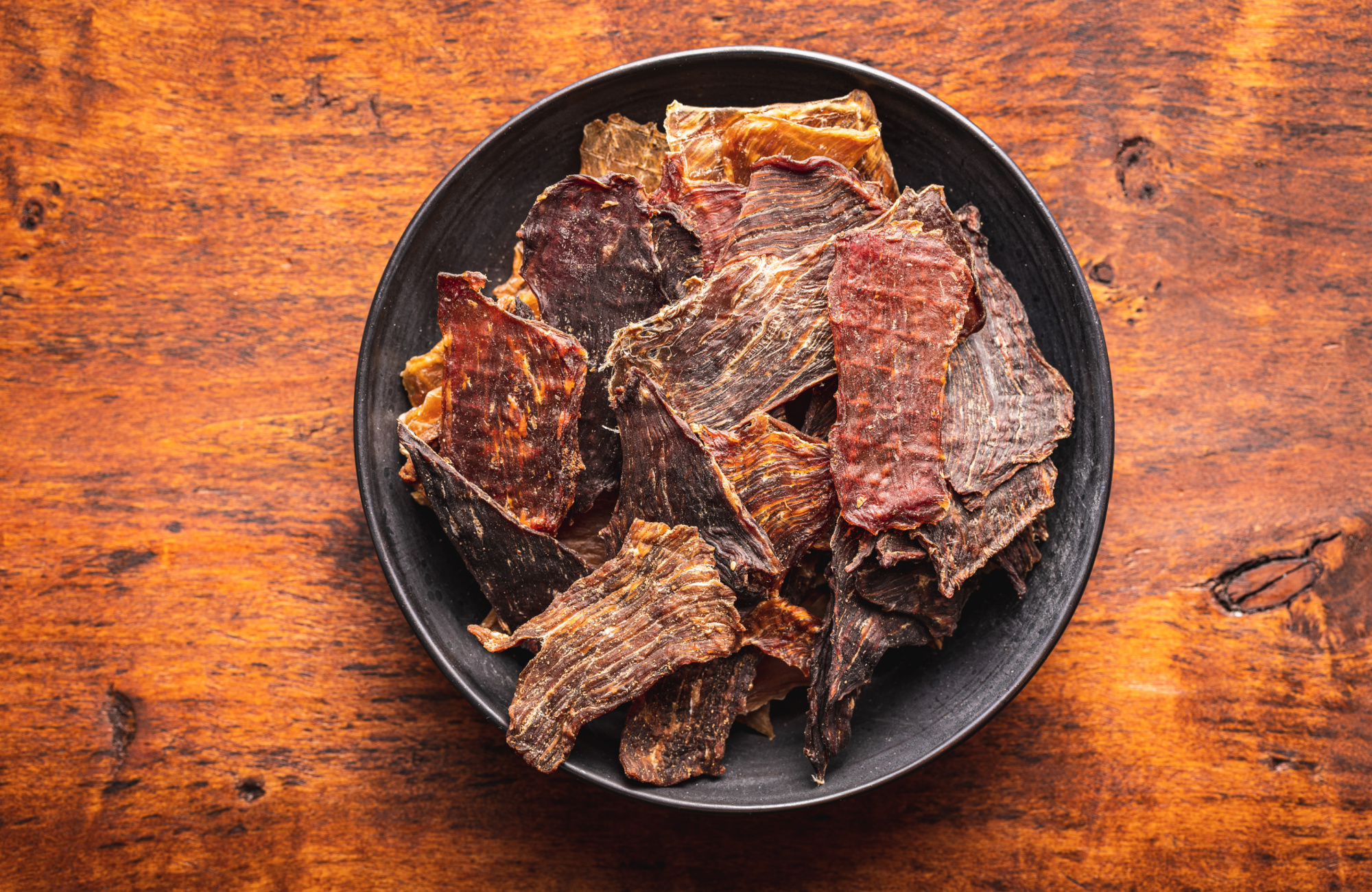
- Dried strips of meat
- Dried berries
- Animal fat, rendered down to a liquid
- Dried seasonings of your choosing
- A food processor
- Make sure your meat and berries are extra dry. Using one of the best dehydrators for jerky, dry meat to the point where it snaps in half when you bend a piece of it. It shouldn’t be chewy like jerky, because that means it still holds some water and therefore could spoil easier. Berries should be crunchy, too. If you’re using store-bought dried berries, throw them in a dehydrator for extra evaporation.
- Break up the dried meat and put it in a food processor. Process it until it’s a fluffy powder. Set the meat powder aside and do the same with the berries.
- Mix the meat, berries, and any additional spices together in a bowl.
- Add rendered, liquified animal fat. The finer your meat and berry blend, the less fat you’ll need—just enough to coat the mixture and make it hold together. A coarser blend will require more holding power and, thus, more tallow.
- Form the pemmican before the animal fat congeals. Gladstone likes to make small patties, but you could also press the mixture into a cake pan or a cookie sheet and cut slabs or strips. You could even pull out your cookie cutters and get creative with shapes and sizes.
- If you live in a dry climate and your pemmican is full of ultra-dry meat, berries, and spices, it should be indefinitely shelf-stable. You can seal it in a sandwich bag and throw it in your pantry. If you live in a more humid area, consider vacuum-sealing or freezing the pemmican to keep any of the food contents from rehydrating and spoiling.
Instead of writing an actual recipe out, Gladstone says the ratio of meat-to-berries and fat-to-meat is really about feel.
“It’s building blocks, rather than an actual recipe,” Gladstone says, laughing. “Some people will find that incredibly freeing, but some people will hear that and think it’s stressful and want an exact recipe.”
Follow along with Gladstone as she makes pemmican here:
What Ingredients Can You Use in Pemmican?
There are few limits to what meats, berries, spices, and animal fats you can add to your pemmican.
Meats
Any red meat that doesn’t require high-temperature cooking to eliminate bacteria will work here. That means avoiding bear meat, poultry, and pork. If you’re using farmed meat, make sure to trim any fat and get the strips as lean as possible before drying them.
- Beef
- Bison
- Elk
- Moose
- Pronghorn
- Venison
Berries
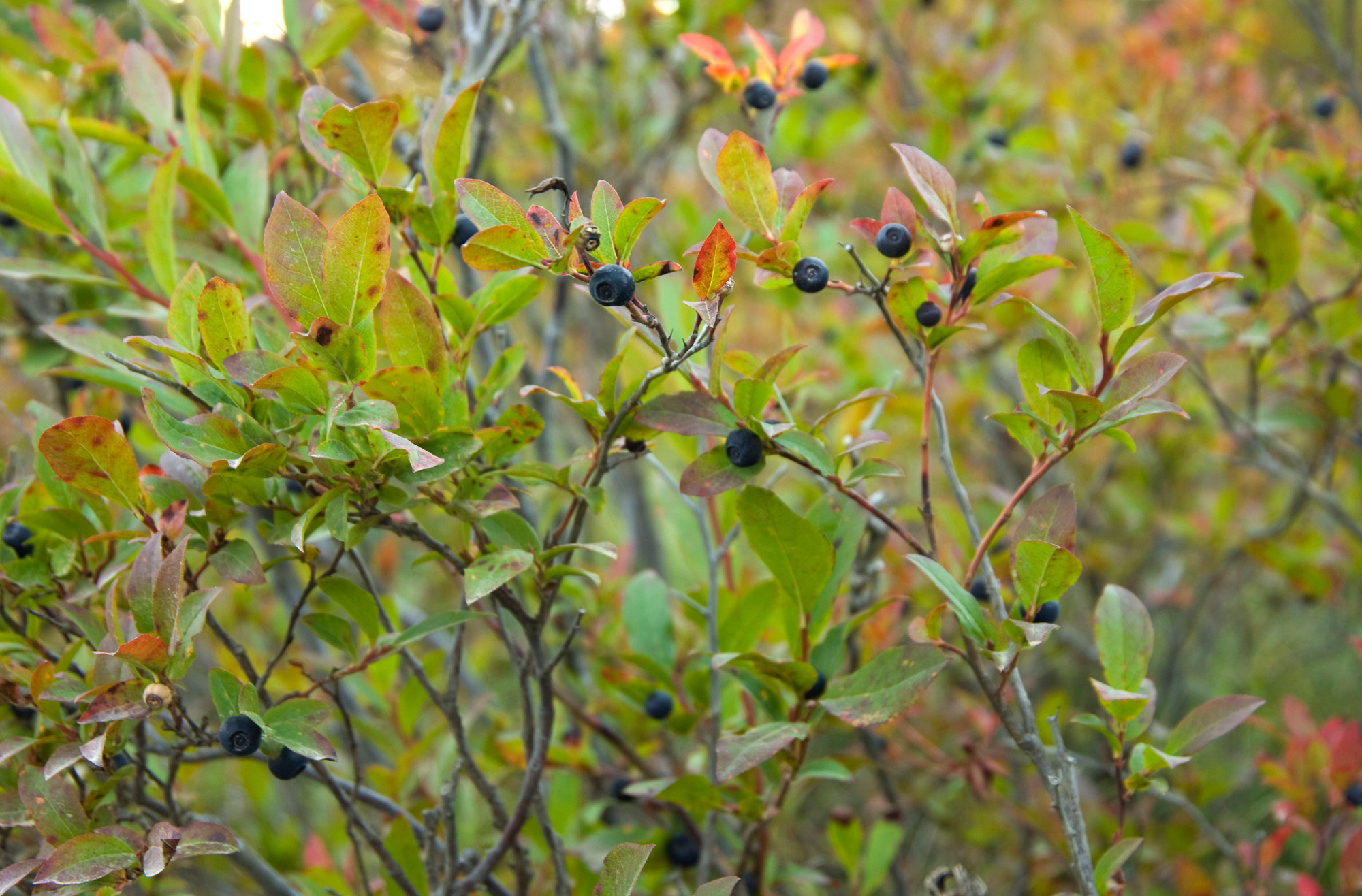
Any berries that can get crunchy-dry in a dehydrator will work. This is a great use for those leftover huckleberries you’ve been saving for the right occasion.
- Blueberries
- Cherries
- Chokecherries
- Cranberries
- Huckleberries
- Serviceberries
Spices
Try out some different flavor profiles for your pemmican. If you like spicy foods, add some chili powder or red pepper flakes. For more savory pemmican, sage and thyme are great. Use your favorite spice blend or seasoning salt for ease. Just make sure everything you add is dried—no fresh herbs here.
- Clove
- Nutmeg
- Red pepper flakes
- Salt and pepper
- Sage
- Seasoning salts
- Spice rub blends
- Thyme
Other Additives
If you want to get really creative, throw some other ingredients into your pemmican. Just remember the rule: they must be fully dried and ground up for easier sticking.
- Puffed wild rice
- Squash or pumpkin seeds
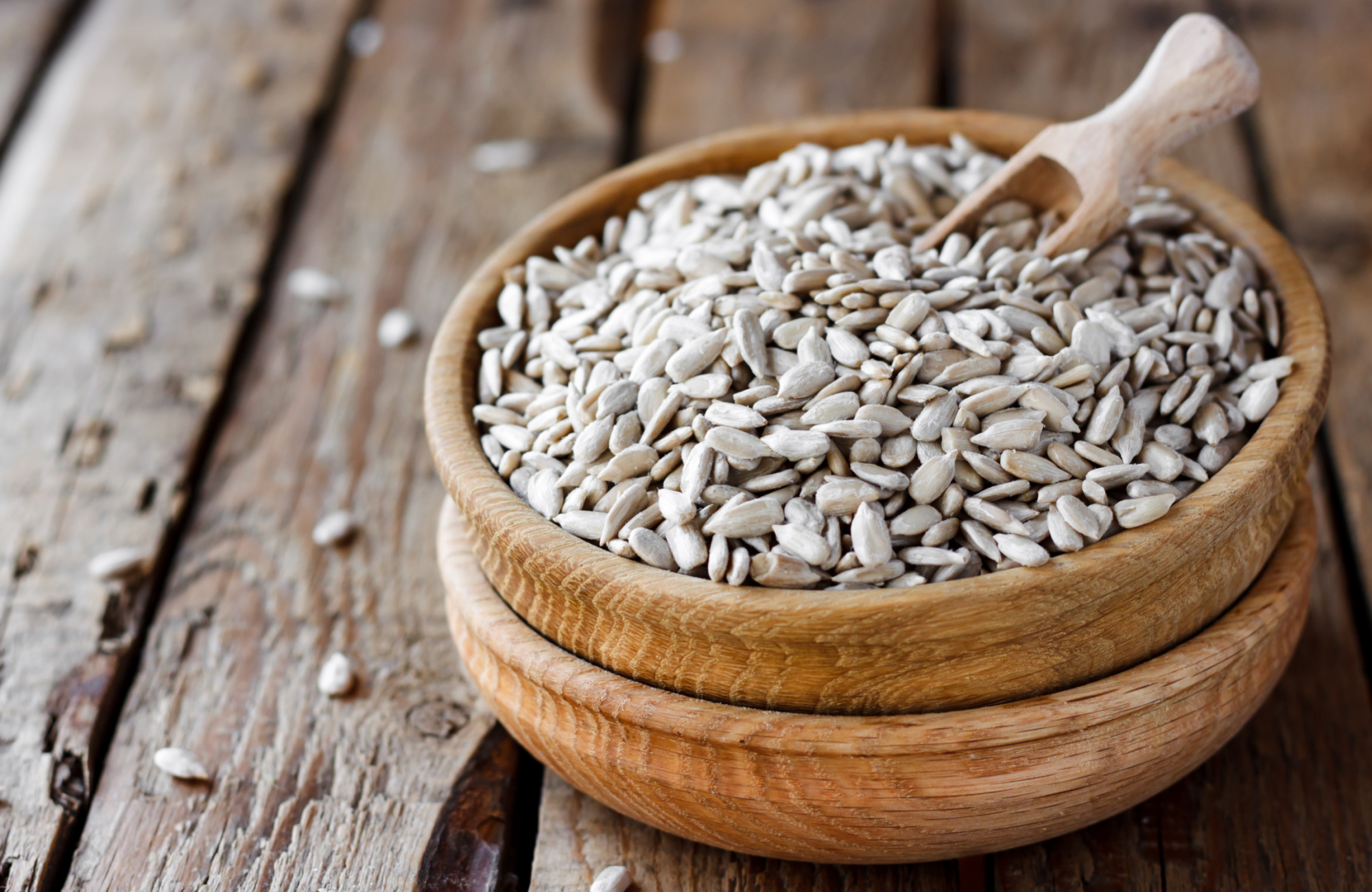
- Sunflower seeds
- Tree nuts
Animal Fats
Pemmican is a great opportunity to get creative with different animal fats. Because rendered fat is fully cooked and liquified, go crazy with pork or bear fat if you’d like. Traditional recipes from hunt-gather tribes used venison or elk fat, but if you don’t like the greasy feel, switch it up for something else. Don’t use butter or other dairy-based fats.
- Bear fat
- Beef fat
- Bison fat
- Duck fat
- Moose fat
- Pork fat
- Venison or elk fat
The Origins of Pemmican
The word “pemmican” originates from the Cree word pimîhkân, which means “manufactured grease.” But contrary to popular belief, Gladstone says the Cree were not the only Indigenous tribe that made pemmican. Gladstone, who is Blackfeet and Cherokee, says that many tribes in the Great Plains and along the Rocky Mountain front had a name for pemmican in their own languages.
“There were a lot of French fur traders interacting with Crees, so I’m sure the Cree word got picked up as the word for this recipe and then it became universally adopted as the English terminology for it,” Gladstone says. “But there were variations among all different tribes on the plains.”
Pemmican always incorporated regionally available sources of meat and berries, which meant tribes in different growing regions and landscapes had different recipes.
“For much of the plains, buffalo meat and buffalo tallow were primarily used. But if you were in a more woodland area, you might have easier access to deer meat, so you’re drying deer meat and rendering deer fat,” Gladstone says. “If you’re in an area with more acidic soils, you have easier access to blueberries. Where I’m from, we have more alkaline soils, and therefore we have a lot of serviceberries and we’ll incorporate those. Across the plains, chokecherries were used, in the Great Lakes region a lot of cranberries were used. It really just depends on what you have access to.”
Pemmican FAQ
Because the ingredients are all thoroughly dried, there’s little to no water content in pemmican. As is the case with other dehydrated foods, the lack of water keeps the ingredients from spoiling.
Pemmican is healthy because it provides the three major macronutrients that sustain us every day—protein, fat, and carbohydrates. These three nutrients are absolutely necessary for any hike, backpacking trip, or hunt, but can be difficult to get all at once without eating a full meal.
Pemmican will sustain you for a very long time in a survival situation, which is why survivalists and some outdoorsmen and women swear by it. However, despite the added berries, pemmican lacks essential vitamins from vegetables and other fruits, and the fiber content is low, so you shouldn’t try to live on it for too long.
Final Thoughts on Pemmican
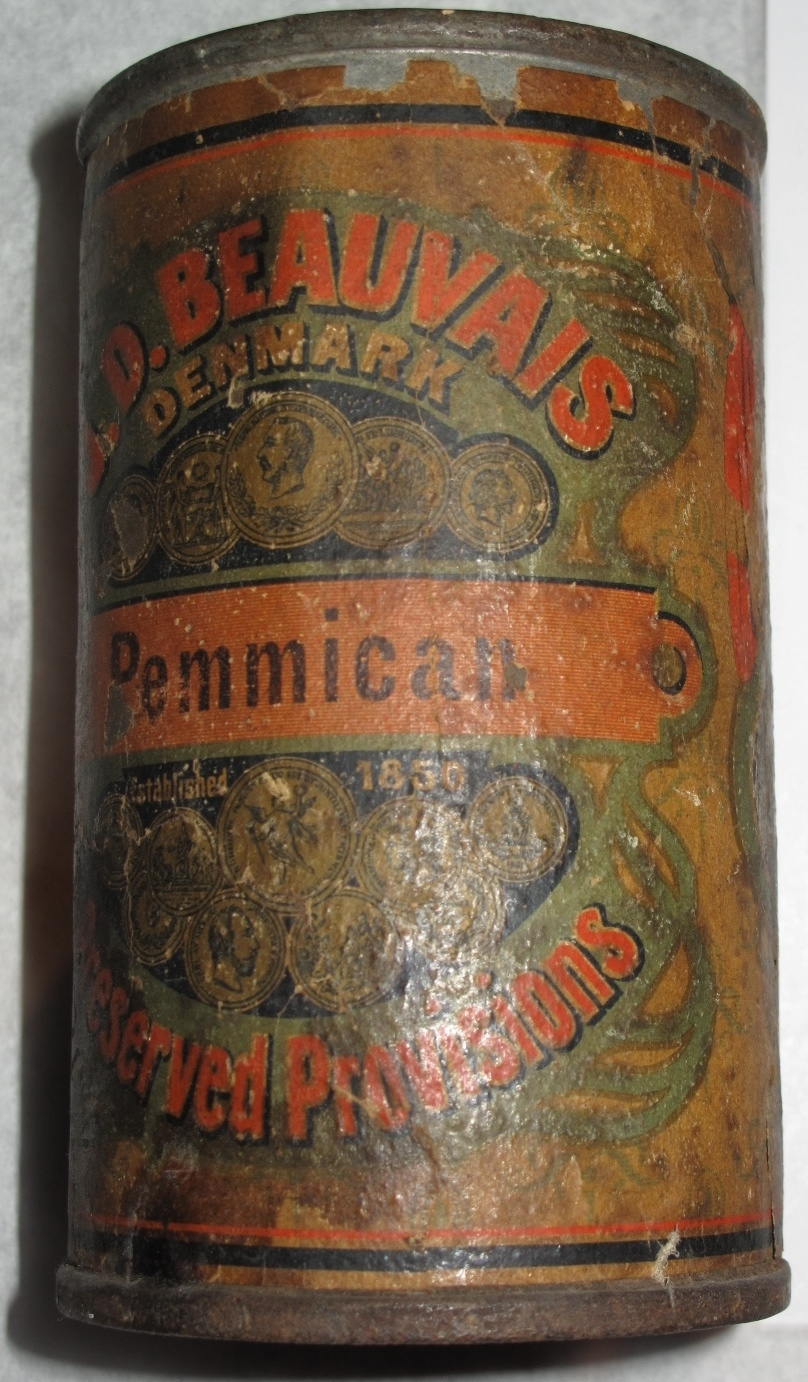
If you’re unsatisfied with granola bars, trail mix, nut butters, and jerky, or if you want to practice an ancient food tradition that’s been sustaining humans on the North American landmass for thousands of years, give pemmican a try. If nothing else, you can add another great game meat recipe to your repertoire and you will fuel your body for even the toughest outdoor excursions.
“I don’t want to say ‘superfood’ because I feel that term is so commonly used,” Gladstone says. “But it’s definitely something that you can survive off of. It has all those essential nutrients in one form.”
Read the full article here