





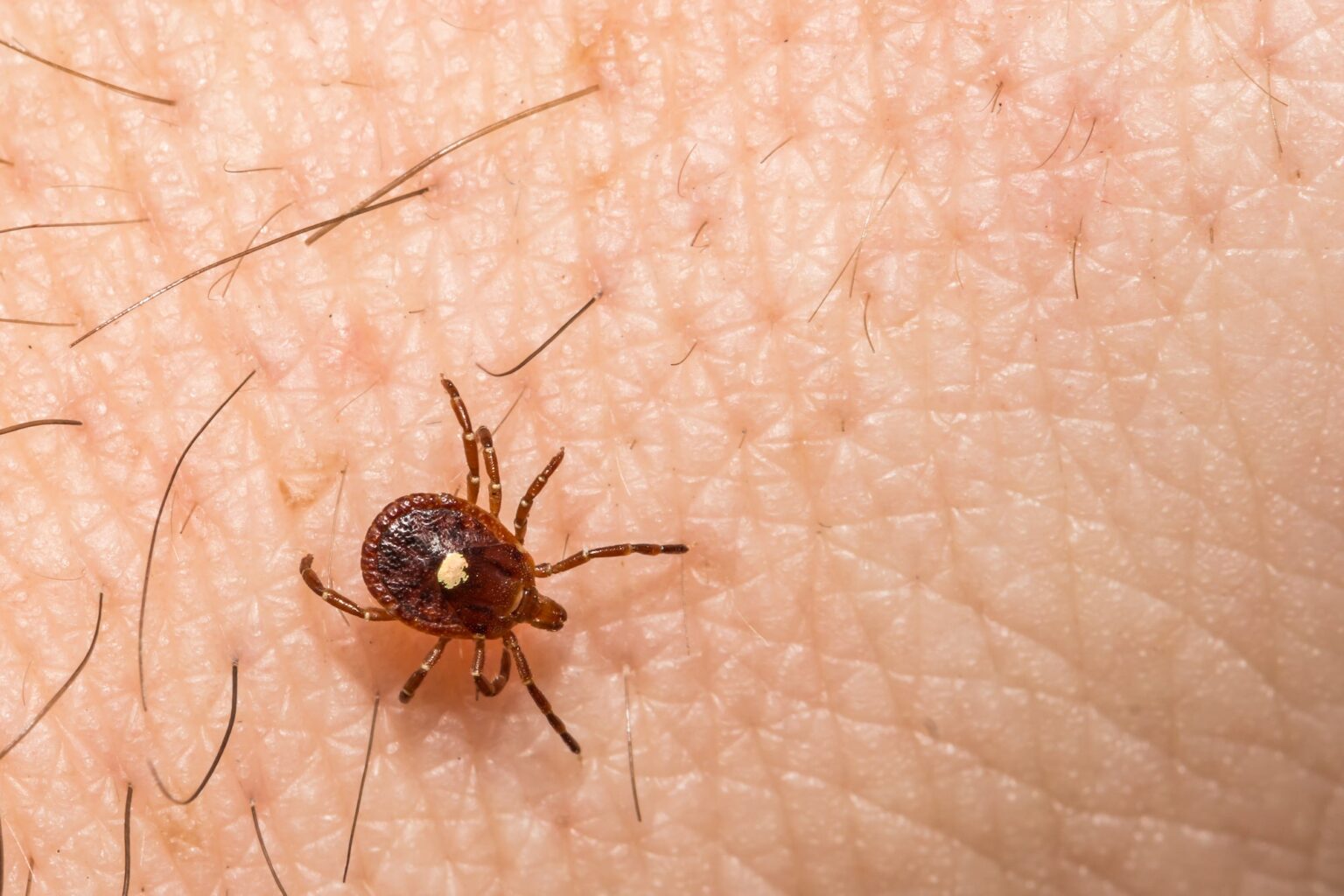

If you don’t know what Alpha-gal Syndrome is, you’re not alone. According to two studies published by the Centers for Disease Control and Prevention on Thursday, scientists are just now getting a better grasp of how many Americans might be living with the tick-borne illness. The studies found that up to 450,000 Americans may have been affected by Alpha-gal since 2010.
The reason for this sizable gap is an overall lack of awareness and understanding surrounding Alpha-gal Syndrome. We’ve only known about Alpha-gal since 2009, and health care providers are still learning about the illness’ causes and effects. The allergic condition has been linked to bites from Lone Star ticks, but some cases have been found outside of the tick’s natural range. And while many victims develop allergies to mammal-based food products as a result, the symptoms can vary from person to person. This has led to thousands of undiagnosed cases over the years, researchers explained.
“The number of potential cases is far beyond what we thought,” Scott Commins, one of the co-authors of the two studies, told CNN. “If the projection and estimate of nearly 450,000 cases is even approximately correct, this is the number 10 allergy in the country behind sesame, which is number nine and affects roughly half a million people.”
What Is Alpha-Gal?
The CDC describes Alpha-gal Syndrome as a “serious, potentially life-threatening allergic condition” that occurs when a person is exposed to a complex sugar molecule called galactose-alpha-1,3-galactose, or Alpha-gal for short. The sugar molecule can be found in many our favorite foods, including beef, pork, venison, rabbit, and other mammal-based products like dairy and gelatin. (The CDC points out that Alpha-gal is not found in fish, reptiles, birds, or people.)
Lone Star ticks also carry Alpha-gal in their saliva, and they can transmit it to people through a bite. This can prompt the person’s immune system to misidentify the sugar molecule as a threat, which can lead to an allergic response anytime Alpha-gal is introduced. As a result, tick-bitten victims often experience excruciating pain and other symptoms when they eat certain red meats.
These symptoms can range from minor swelling and itching to full-on anaphylaxsis, according to the Mayo Clinic, and there is no cure for the illness. Some victims have either died or been rushed to the emergency room, while others, like Outdoor Life’s Editor-in-Chief Alex Robinson, have found ways to live with it.
Read Next: I Got Alpha-Gal (The Tick-Borne Disease That’s a Hunter’s Worst Nightmare)
Robinson, who contracted Alpha-gal during the winter of 2018, described his initial symptoms:
“I started getting sick in December. I’d get hit with a crippling stomachache that would start an hour or two after almost every meal. Sometimes I’d get sick enough to spend a few hours vomiting in the bathroom. Other times I’d feel a tightness in my chest and a rash of hives would break out on my skin.”
After blood tests and ultrasounds revealed nothing unusual, Robinson’s doctors had him switch to a diet of chicken and rice. His symptoms then went away, which led them to diagnose him with Alpha-gal Syndrome.
One interesting part about Robinson’s case is that he likely contracted Alpha-gal near where he lives and hunts in Minnesota, which lies outside the Lone Star tick’s range. Other people in the region have also been diagnosed since 2017, and this has led researchers to believe that it might not just be the Lone Star tick that can spread the disease.
Takeaways from the Studies
One of the studies published on Thursday looked at laboratory results from across the country and identified roughly 110,000 suspected cases since 2010. Most of these cases were in Southern, Midwestern, and Mid-Atlantic states that are home to Lone Star ticks. The highest number of cases came from New York. Researchers also pointed to an overall increase in cases during the study period, which took place from 2017 to 2021.
“More than 90,000 suspected AGS cases were identified during the study period, and the number of new suspected cases increased by approximately 15,000 each year during the study,” the authors wrote.

Researchers, however, pointed out that these figures are likely much lower than the actual number of Alpha-gal cases that have affected Americans in the last 23 years. This underestimation is related to another important takeaway, which was highlighted in the second study.
That study focused on how knowledgeable health care providers are regarding Alpha-gal. It found that overall, “health care providers in the United States have low awareness of AGS.”
Surveys conducted during the study period found that 42% of healthcare providers in the U.S. had never heard of Alpha-gal Syndrome. Another 35% of providers said they were “not too confident” in their ability to diagnose the illness or manage patients with Alpha-gal.
Read Next: Tick Bite Symptoms
When researchers took this knowledge gap into account, they estimated that the real number of Alpha-gal cases since 2010 could be more than four times as high as the 110,000 cases that were diagnosed over that time, or around 450,000 in total. Not surprisingly, researchers were concerned by this large gap and said there is plenty of room for improvement.
“The lack of health care provider knowledge of AGS is likely to lead to undertesting, further hampering knowledge of the national prevalence of AGS,” the authors wrote. “Increased [healthcare provider] education and awareness of AGS [is] needed to hasten and improve the accuracy of AGS diagnoses, patient care, and the understanding of the epidemiology of this emerging condition.”
Read the full article here