





By using this site, you agree to the Privacy Policy and Terms of Use.
Accept
Afield DailyAfield Daily
  • Home
  • Hunting
  • Fishing
  • Cooking
  • Camping
  • Gear
  • Videos
Search
More Topics
  • Outdoor
  • Conservation
  • Survival
 
  • Guns
  • Gear Review
  • ATVs
Quick Links
  • Community
  • Customize Interests
  • Bookmarks
  • Privacy
  • Terms
  • Press Release
  • Advertise
  • Contact
© 2023 Afield Daily. All Rights Reserved.
Reading: Paper: Invasive Asian Ticks Killed Three Cows in Ohio
Sign In
Notification Show More
Latest News
It’s OK to Keep Trophy Crappie
Fishing
GALLERY: Team Knighten Industries sweeps the board at Builders FirstSource Qualifier Match 3
Fishing
The Best Tactical Flashlights of 2024
Gear
FantasyFishing.com Insider: Everything you need to know about Kentucky Lake
Fishing
Man Fined After Illegally Stashing 1,000 Pounds of Shed Antlers
Conservation
Aa
Afield DailyAfield Daily
Aa
  • Camping
  • Hunting
  • Fishing
  • Cooking
  • Gear
  • Survival
  • Conservation
  • Videos
Search
  • Home
  • Videos
  • Sections
    • Hunting
    • Fishing
    • Cooking
    • Camping
    • Gear
    • Survival
    • Conservation
  • Quick Links
    • Community
    • Customize Interests
    • Bookmarks
Have an existing account? Sign In
Follow US
  • HUNTING
  • FISHING
  • COOKING
  • SURVIVAL
  • VIDEOSHOT
© 2023 Afield Daily. All Rights Reserved.
Survival

Paper: Invasive Asian Ticks Killed Three Cows in Ohio

Afield Daily
Last updated: 2023/11/15 at 11:44 PM
Afield Daily

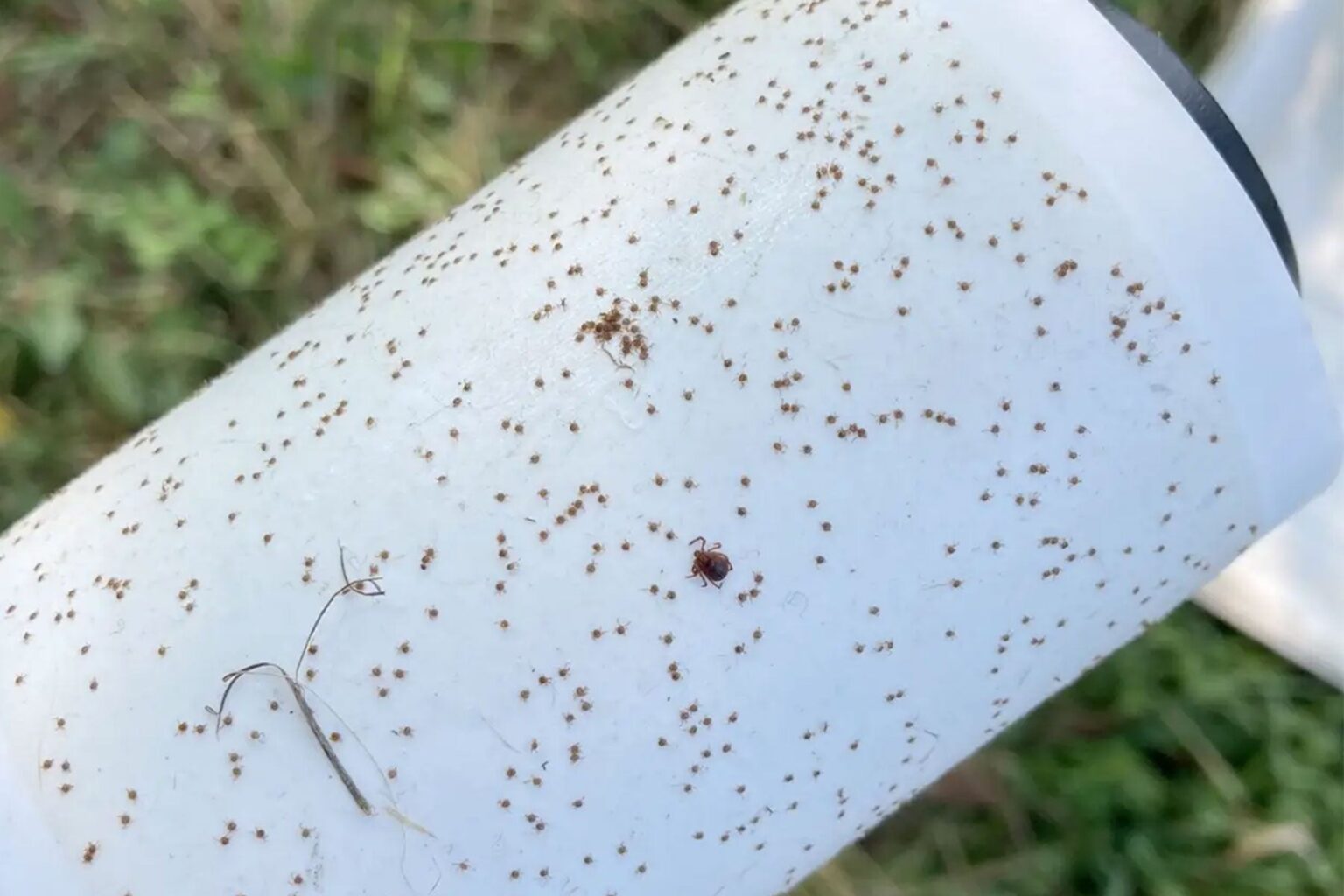
Asian longhorned ticks (ALTs) have been spreading across the Eastern and Midwestern U.S. since at least 2017, according to the Center for Disease Prevention (CDC), and the pests’ numbers are now on the rise in Ohio—a recent study from the Ohio State University reveals. According to the study’s authors, 9,287 invasive ticks were removed from a farm in eastern Ohio in the summer of 2021 after three cattle were reported dead from tick bites by the landowner.

During the study—lead-authored by Ohio State Assistant Professor of Veterinary Preventive Medicine Risa Pesapane—scientists continued to monitor the invasive tick population after most of the pests were killed off with pesticides. They found that the Asian longhorn ticks returned to the pasture and continued to spread in June 2022, despite the tick control efforts undertaken in 2021.

“You cannot spray your way out of an Asian longhorned tick infestation,” Pesapane said in a Nov. 3 news release. “They are going to spread to pretty much every part of Ohio and they are going to be a long-term management problem. There is no getting rid of them.”

Pesapane said that the cattle killed during the 2021 ALT infestation in eastern Ohio sustained thousands of tick bites. “One of those was a healthy male bull, about 5 years old,” she said in the press release. “Enormous. To have been taken down by exsanguination by ticks, you can imagine that was tens of thousands of ticks on one animal.” The term “exsanguination” refers to the action of draining a person, animal, or organ of the blood needed to sustain life.

On its website, the CDC says that ALTs, native to east Asia, have spread to 19 U.S. states since they were first reported in New Jersey in 2017. The list includes Arkansas, Connecticut, Delaware, Georgia, Indiana, Kentucky, Maryland, Massachusetts, Missouri, New Jersey, New York, North Carolina, Ohio, Pennsylvania, Rhode Island, South Carolina, Tennessee, Virginia, and West Virginia.

According to Pesapane, the invasive tick’s rapid spread lies in its ability to reproduce asexually, without mating. “There are no other ticks in North America that do that. So they can just march on, with exponential growth, without any limitation of having to find a mate,” Pesapane said. “Where the habitat is ideal, and anecdotally it seems that un-mowed pastures are an ideal location, there’s little stopping them from generating these huge numbers.”

Read Next: Is Whitetail Deer Blood the Key to Fighting Lyme Disease in Humans?

The CDC is urging anyone who finds an Asian longhorn tick on a person, pet, or on livestock, to remove the pest as quickly as possible. “Save the tick in rubbing alcohol in a jar or a ziplock bag,” the agency advises, “then contact your health department about steps you can take to prevent tick bites and tickborne diseases.


Read the full article here

[ruby_static_newsletter]
Leave a comment

Leave a Reply Cancel reply

Your email address will not be published. Required fields are marked *

You Might also Like

Survival

Hikers Use Trekking Poles to Fend Off Rabid Fox During Attack in Arizona

3 Min Read
Survival

U.S. Military Rescues Three Fishermen Stranded on Remote Island

4 Min Read
Survival

Watch: Two Black Bears Attack Moose Calf in Canadian Park

3 Min Read
Survival

16 Stranded Hikers Rescued After Blisters Prevented Them from Hiking Out

3 Min Read
Survival

Mauled: A Fight to the Death with a Black Bear

9 Min Read
Survival

Brown Bear That Attacked Five in Slovakia Shot Dead, Officials Say

3 Min Read
Survival

Shed Hunter Killed in Mountain Lion Attack Died Protecting His Brother

7 Min Read
Survival

California Man Killed in Mountain Lion Attack While Shed Hunting

3 Min Read
//

Afield Daily is your one-stop news website for the latest articles and tips about hunting, fishing and camping, follow us now to get the content you want.

Quick Link

  • PRIVACY POLICY
  • TERMS OF USE
  • PRESS RELEASE
  • ADVERTISE
  • CONTACT

Hot Topics

  • HUNTING
  • FISHING
  • COOKING
  • SURVIVAL
  • VIDEOSHOT

Sign Up for Our Newsletter

Subscribe to our newsletter to get our newest articles instantly!

[mc4wp_form]

Afield DailyAfield Daily
Follow US

© 2023 Afield Daily. All Rights Reserved.

Join Us!

Subscribe to our newsletter and never miss our latest articles, podcasts etc..

[mc4wp_form]
Zero spam, Unsubscribe at any time.

Removed from reading list

Undo
Welcome Back!

Sign in to your account

Lost your password?